Let’s talk about injecting your own blood back into your face.
I know—it sounds absolutely wild. But when Kim Kardashian posted that infamous bloody selfie back in 2013, she inadvertently launched a beauty revolution. Suddenly, everyone from your dermatologist to your spin instructor was talking about PRP therapy.
But here’s the thing: PRP isn’t just some celebrity beauty trend. Athletes have been using it for years to heal injuries faster. Your neighbor might be getting it for her thinning hair. And that guy at the gym? He could be using it to recover from a torn rotator cuff.
So what’s actually going on here? Is this science or just expensive snake oil?
The Science Behind the Blood
PRP stands for Platelet-Rich Plasma, and the concept is surprisingly elegant. Your blood contains platelets—tiny cells that rush to injury sites and kickstart the healing process. They’re basically your body’s first responders, packed with growth factors and proteins that tell your tissues to repair themselves.
PRP therapy takes this natural healing mechanism and amplifies it. Doctors draw your blood, spin it in a centrifuge to concentrate those platelets (we’re talking 3-5 times more than normal), and then inject that super-charged plasma exactly where you need it.
It’s like giving your body’s repair crew steroids—except it’s all natural and it’s all yours.
Why Everyone from Athletes to Instagram Influencers Is Obsessed
The applications are almost absurdly diverse.
Pro athletes were early adopters, using PRP to bounce back from injuries that would normally sideline them for months. Tennis elbow, chronic tendinitis, even arthritis—conditions that traditionally meant endless physical therapy and cortisone shots.
Beauty enthusiasts discovered it could turn back the clock on aging skin. Fine lines? Gone. Acne scars? Faded. That tired, dull complexion? Revitalized. Unlike fillers that add volume or Botox that freezes muscles, PRP actually stimulates your skin to regenerate itself.
People dealing with hair loss found it could wake up dormant follicles. We’re not talking about a cure for baldness, but many people see real regrowth and thickening after a series of treatments.
The common thread? PRP works by triggering your body’s natural regeneration, not by adding foreign substances or masking symptoms.
What Actually Happens During Treatment
I’m not going to sugarcoat it—the process is a bit intense if you’re squeamish about needles or blood.
First, they draw your blood. Not much—about the same as a standard blood test. Then comes the centrifuge, which spins your blood at high speed to separate the components. What they’re left with is this golden-yellow plasma that’s absolutely packed with platelets.
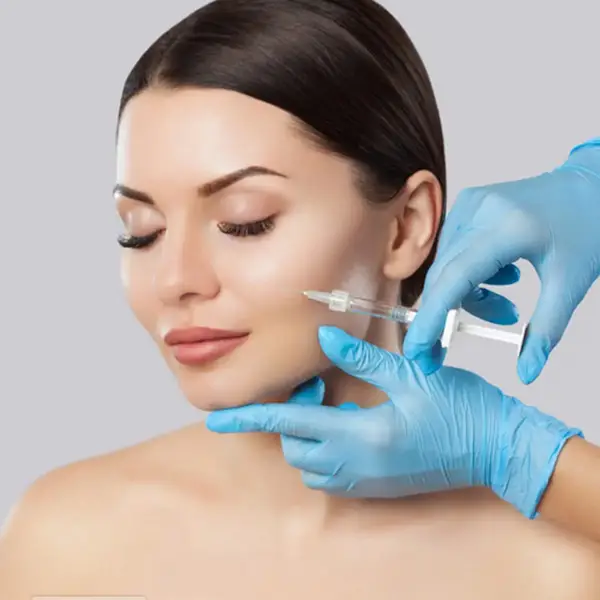
Then? The injections. This part varies wildly depending on what you’re treating. For facial rejuvenation, they’ll often use a topical numbing cream and then make multiple small injections across your face. For hair loss, they inject directly into your scalp. For joint injuries, they use ultrasound guidance to place it precisely where the damage is.
The whole thing takes about an hour, maybe ninety minutes. Your face might look like you got into a bar fight afterward (hello, vampire facial), but most people are back to normal activities the next day.
The Real Talk: Does It Actually Work?
Here’s where it gets complicated.
For some applications, the research is solid. Studies show promising results for certain types of arthritis, tendon injuries, and hair loss. Many patients experience real, measurable improvements.
For other uses—especially cosmetic ones—the science is still catching up to the hype. Results can be subtle and vary dramatically from person to person. You’re not going to walk out looking like you had a facelift.
The frustrating truth? PRP seems to work better for some people than others, and we don’t fully understand why. Your age, the severity of your condition, even the quality of your platelets can all affect outcomes.
Also—and this is important—not all PRP is created equal. The concentration of platelets, how the plasma is processed, the injection technique… these all matter. A lot.
The Investment (Because Yes, It’s Pricey)
Let’s talk numbers. A single PRP treatment typically runs anywhere from $500 to $2,500, depending on what you’re treating and where you live. And you almost never need just one.
Facial rejuvenation? Plan on 3-4 sessions initially, then maintenance treatments every 12-18 months. Hair restoration? You’re looking at 3-4 sessions spaced a month apart, possibly with annual maintenance. Joint injuries might need 1-3 injections.
Insurance rarely covers it for cosmetic purposes, though they might for certain orthopedic conditions.
Is It Worth the Hype?
Here’s my take: PRP isn’t magic, but it’s not BS either.
If you’re dealing with a stubborn injury that won’t heal, struggling with hair loss, or looking for a natural alternative to more invasive cosmetic procedures, PRP might be worth exploring. The fact that it uses your own blood means the risks are minimal—maybe some bruising, temporary swelling, or mild discomfort.
But go in with realistic expectations. This isn’t a quick fix. Results take time to develop—we’re talking weeks to months. And for some people, it simply doesn’t work as well as they hoped.
The key is finding a qualified practitioner who’s transparent about what PRP can and can’t do. If someone’s promising miracle results, run. If they’re explaining that PRP is one tool in a broader treatment plan, that’s someone worth listening to.
So…
PRP therapy sits at this fascinating intersection of cutting-edge medicine and your body’s ancient healing wisdom. It’s been overhyped by some, dismissed by others, but the truth is somewhere in the middle.
Would I try it? For the right condition, absolutely. Would I expect miracles? No. But there’s something appealing about a treatment that works with your body rather than against it, using your own biology to heal and regenerate.
Just maybe skip the bloody selfie.