Lavish DE

5 Essential Skincare Tips to Protect and Repair Your Skin Barrier

5 Essential Skincare Tips to Protect and Repair Your Skin Barrier

Your skin barrier is the body’s natural shield, helping lock in moisture and keep out irritants, bacteria, and pollution. When it is healthy, skin tends to look smoother, feel more comfortable, and glow with a balanced, hydrated appearance. When it becomes damaged, however, you may notice dryness, tightness, redness, breakouts, or increased sensitivity to products you once used without issue. The good news is that barrier damage is often preventable, and with the right routine, it can also be supported back to health.

Understand What Weakens the Skin Barrier

Before you can protect your skin barrier, it helps to know what puts it under stress. Frequent over-cleansing, exfoliating too often, using strong active ingredients too quickly, and washing with hot water can strip away the oils and lipids that help maintain barrier function. Environmental factors such as cold weather, low humidity, sun exposure, and pollution can add even more strain. Even stress and poor sleep can show up on the skin, making it more reactive and less resilient.

Many people damage their barrier without realizing it because they are trying to fix other concerns like acne, texture, or dullness. The key is not to stop caring for your skin, but to care for it more strategically. A barrier-friendly approach focuses on consistency, gentleness, and recovery rather than aggressive correction.

Choose Gentle Cleansing and Smart Product Use

The first essential tip is to keep cleansing effective but mild. A cleanser should remove sweat, sunscreen, and impurities without leaving skin feeling squeaky clean or stripped. Look for formulas labeled gentle, hydrating, or pH-balanced, and avoid over-washing unless your skin truly needs it. For many people, cleansing once at night is enough, while a simple rinse in the morning can help preserve moisture.

Keep Your Routine Simple

When the barrier is compromised, fewer products are often better. A basic routine with a gentle cleanser, a moisturizer, and sunscreen can give skin the space it needs to recover. If you use active ingredients such as retinoids, alpha hydroxy acids, or vitamin C, introduce them gradually and never combine several strong products at once unless a professional has guided you to do so. Layering too many treatments can overwhelm the skin and trigger irritation instead of improvement.

Patch Test New Products

Before applying a new formula to your entire face, test it on a small area for a few days. This is especially important if your skin is already sensitive or recovering from irritation. Patch testing can help you identify potential problems early and avoid a full-face reaction that sets your skin barrier back further.

Hydrate from the Outside and Inside

Hydration is one of the most important parts of skin barrier repair. Moisture supports the skin’s ability to stay flexible and comfortable, while well-formulated skincare helps reduce transepidermal water loss. Choose moisturizers with ingredients that attract and seal in hydration, such as glycerin, hyaluronic acid, ceramides, squalane, and fatty acids. These ingredients work together to replenish the skin’s natural support system and help restore a smoother texture.

It is also worth paying attention to your environment. If you live in a dry climate or use indoor heating or air conditioning often, a humidifier can help reduce moisture loss. Drinking enough water matters too, although it should be seen as part of a larger hydration strategy rather than a quick fix. Healthy skin depends on both internal and external support.

For very dry or irritated areas, consider applying moisturizer while the skin is still slightly damp to help trap water more effectively. If needed, you can also use a richer cream at night to support overnight repair. The goal is to create a routine that keeps moisture in and irritation out.

Support Repair with Lifestyle Choices

Skincare products are only one piece of the picture. Daily habits can either help your skin barrier recover or keep it under constant stress. Adequate sleep is essential because the skin repairs itself while you rest. Chronic stress can also affect the skin by increasing inflammation and slowing recovery, so simple stress management tools like walking, breathing exercises, or spending time outdoors can make a real difference over time.

Sun protection is another nonnegotiable. UV exposure can weaken the barrier and worsen irritation, even on cloudy days. A broad-spectrum sunscreen used daily helps protect the skin while it repairs itself. If your skin is already sensitized, choose a formula designed for sensitive skin and reapply as needed when spending time outside.

Nutrition can matter as well. A balanced diet rich in healthy fats, antioxidants, and protein supports skin structure and healing. While no single food will transform your complexion overnight, overall nourishment gives your barrier the building blocks it needs. Avoid habits that create extra damage, such as picking at the skin, scrubbing with rough cloths, or using exfoliating tools too aggressively.

Know When Your Skin Needs Professional Help

Sometimes skin barrier damage needs more than at-home care. If you are dealing with persistent burning, flaking, redness, itching, or breakouts that seem to worsen with every product, it may be time to get a personalized assessment. A skincare professional can help identify whether your concerns are due to barrier impairment, an allergy, overuse of actives, or another underlying issue. This guidance is especially helpful if you have sensitive skin, eczema-prone skin, or a history of reactions to skincare ingredients.

Professional support can also help you build a routine that works with your skin instead of against it. The right plan may involve temporarily simplifying your regimen, selecting barrier-repairing ingredients, and gradually reintroducing treatment products in a safer way. That kind of tailored approach often saves time, money, and frustration while giving your skin a better chance to recover well.

Healthy skin is rarely the result of doing more; it is often the result of doing the right things consistently and gently. When you protect your skin barrier with thoughtful cleansing, lasting hydration, supportive habits, and a little patience, you create the conditions for calm, resilient, glowing skin that can better handle the demands of everyday life. If your skin needs a customized approach, book an appointment with our providers for personalized treatments designed to support your skin barrier and your long-term skin health.

Botox and Dermal Fillers: A Natural-Looking Approach to Facial Rejuvenation

Botox and Dermal Fillers: A Natural-Looking Approach to Facial Rejuvenation

When people start noticing fine lines, volume loss, or a face that looks more tired than they feel, they often want a treatment that restores freshness without changing their appearance. That is exactly why Botox and dermal fillers remain two of the most popular options in modern aesthetic care. Used thoughtfully, these treatments can soften wrinkles, enhance facial balance, and create a rested, natural-looking result that still looks like you.

How Botox and Dermal Fillers Work Together

Although they are often mentioned in the same conversation, Botox and dermal fillers do very different jobs. Botox is a wrinkle relaxer that targets the muscle movement responsible for expression lines such as forehead creases, crow’s feet, and frown lines. By gently reducing repeated motion, it helps skin appear smoother and can prevent deeper lines from forming over time.

Dermal fillers, on the other hand, are designed to restore volume and contour. As the face changes with age, areas like the cheeks, lips, under-eyes, and smile lines may begin to look less full. Filler can add subtle lift and structure, making the face look refreshed rather than overdone. When both treatments are used strategically, they complement one another beautifully.

Botox for Expression Lines

Many people first consider Botox because they notice lines that remain visible even when the face is at rest. These are often caused by years of repeated expressions. A well-placed wrinkle relaxer can soften these lines while preserving natural movement. The goal is not to freeze the face, but to reduce the appearance of tension so the skin looks smoother and more relaxed.

Botox is especially popular for the upper face, where dynamic wrinkles tend to develop quickly. The treatment is efficient, typically requires little downtime, and can be customized to match each person’s facial anatomy and goals. For many patients, it offers a simple way to look more refreshed without making a dramatic change.

Dermal Filler for Volume and Contour

Dermal filler is ideal for patients who want to address fullness loss or enhance facial shape. It can soften deep folds around the mouth, improve cheek support, refine the jawline, or add natural-looking volume to the lips. In skilled hands, filler can create balance and proportion while still keeping the face soft and expressive.

One of the biggest advantages of filler is its versatility. Some people want a barely noticeable enhancement that simply restores what time has taken away, while others want a more defined contour. A thoughtful treatment plan takes both preferences into account, allowing the result to look elegant and tailored rather than obvious.

Why Natural Results Matter

The most successful aesthetic treatments are the ones that make people look well-rested, not different. That is why technique matters so much with injectables. The placement, amount used, and choice of product all influence how natural the final result will appear. Overfilling or relaxing too much can lead to an artificial look, while conservative treatment can enhance the face in a subtle, flattering way.

A good provider will study the entire face before recommending treatment. They will consider skin quality, facial symmetry, muscle strength, and areas of volume loss. This full-face approach helps ensure that Botox and filler work in harmony rather than competing with one another.

Popular Treatment Areas

Botox and dermal filler can be used in a variety of areas depending on the concerns being addressed. Botox is commonly used on the forehead, between the brows, and around the eyes. Some patients also explore smaller enhancements such as a botox lip flip, which can subtly relax the upper lip for a softer shape without adding volume.

Fillers are frequently used in the cheeks for lift, in the lips for added shape, around the mouth for softening lines, and in the lower face for improved contour. In some cases, filler can even help improve the appearance of tired under-eyes or create better facial balance when one area seems less proportionate than another.

What to Expect During Treatment

A typical injectable appointment begins with a consultation. This is the time to discuss your concerns, your desired level of change, and any past experience with Botox or filler. From there, your provider can recommend a plan that matches your features and comfort level.

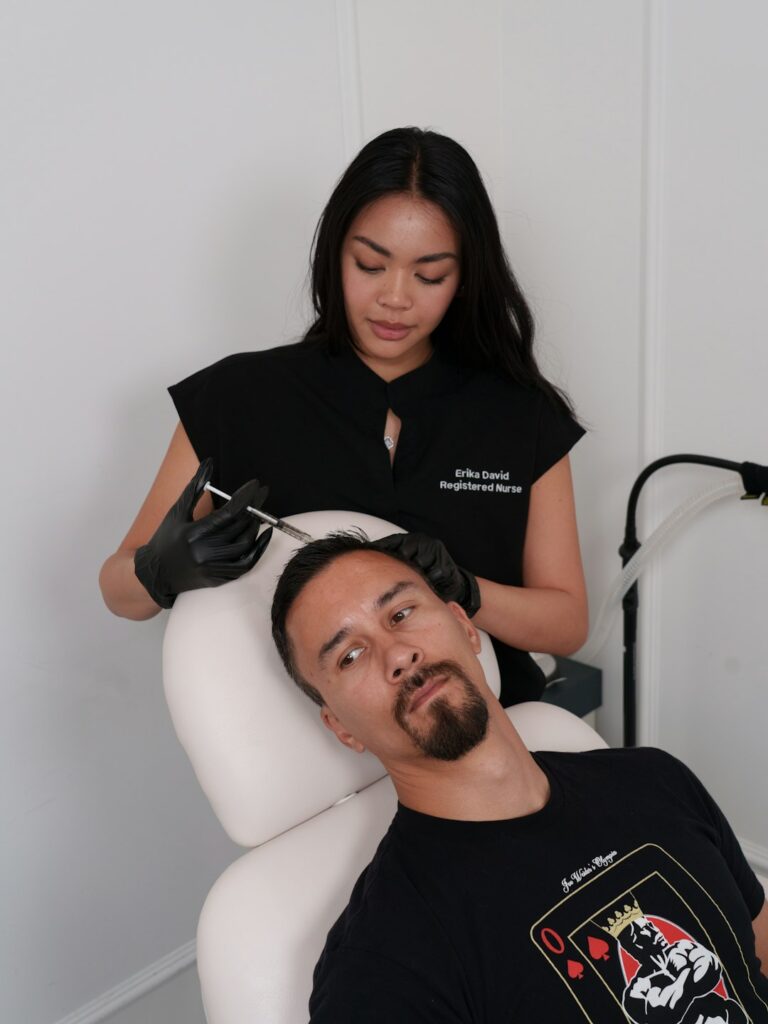
The treatment itself is usually quick and straightforward. Most appointments take place in a calm clinical setting and involve only a few small injections. Some patients feel mild pressure or a brief pinch, but the process is generally very manageable. Depending on the treatment area, you may notice immediate improvement with filler, while Botox results usually appear gradually over the following days.

Aftercare and Long-Term Maintenance

After treatment, providers often give simple care instructions such as avoiding vigorous exercise for the rest of the day, not pressing on the treated areas, and following any personalized guidance based on the products used. Mild swelling, redness, or tenderness can happen, but these effects are usually temporary.

Because Botox and fillers are not permanent, many people return for maintenance visits to keep their results looking consistent. Some prefer to adjust their plan over time as their needs change, while others find a routine that helps them maintain a fresh and confident appearance year-round. The best approach is one that supports your features naturally and evolves with your goals.

If you have been considering Botox, dermal filler, or a combination of both, the key is finding a provider who understands balance, restraint, and personalized care. With the right treatment plan, it is possible to smooth lines, restore volume, and enhance your features in a way that still feels authentically you, so when you are ready to explore customized options, book an appointment with our providers for a treatment plan tailored to your goals.

Top 5 Tips for Non-Invasive Vaginal Rejuvenation Success

Top 5 Tips for Non-Invasive Vaginal Rejuvenation Success

Non-invasive vaginal rejuvenation has become a meaningful option for women who want to address changes in comfort, confidence, and intimacy without surgery or a lengthy recovery. Whether the concern is dryness, mild laxity, reduced sensation, or everyday irritation, these treatments can offer a thoughtful path forward when matched to the right patient and supported by good preparation and aftercare. The best results usually come from a combination of realistic expectations, a qualified provider, and a plan that fits your body and your goals.

Tip 1: Know Whether You Are a Good Candidate

The first step toward success is understanding whether a non-surgical approach is appropriate for your needs. Many women seek treatment after childbirth, during perimenopause or menopause, or after noticing gradual changes that affect comfort or confidence. If your concerns are mild to moderate and you are looking for a gentler option than surgery, you may be a strong candidate for a consultation.

Ideal candidates are typically in good overall health, have clear goals, and are interested in improving symptoms such as dryness, mild tissue looseness, or discomfort during intimacy. A provider will also review your medical history to make sure the treatment is suitable for you. This is especially important if you have active infections, unexplained bleeding, severe pelvic pain, or are pregnant. In those situations, it is better to pause and address the underlying issue first.

Why candidacy matters

Not every treatment is designed for every concern. When candidacy is assessed carefully, you are more likely to choose a procedure that aligns with your needs, avoids unnecessary frustration, and supports a smoother experience from the beginning.

Tip 2: Prepare for the Consultation Like It Matters

A successful treatment plan starts with a clear conversation. Before your appointment, take time to think about what you want to improve and how those symptoms affect your daily life. Do you notice dryness only occasionally, or is it affecting exercise, clothing comfort, or intimacy? Are you looking for more than symptom relief, such as renewed confidence or a greater sense of control over your body? The more specific you can be, the easier it is for your provider to recommend the right approach.

Bring a list of questions, including what type of technology will be used, how many sessions might be needed, what the treatment feels like, and what kind of improvement is realistic. Ask about maintenance, too, since some non-invasive options work best as part of an ongoing wellness plan rather than a one-time appointment.

What to share with your provider

Be open about medications, recent childbirth, hormonal changes, prior procedures, allergies, and any symptoms that may seem minor but still matter. Honest communication helps your provider tailor the treatment and anticipate any precautions you may need.

Tip 3: Follow Pre-Treatment Instructions Carefully

Even though these treatments are non-surgical, preparation still influences your comfort and outcome. Your provider may recommend avoiding certain products or activities before your session, especially anything that could irritate sensitive tissue. That may include fragranced washes, harsh scrubs, or products that disrupt your natural balance. If you are advised to pause intimacy or use of specific topical products before treatment, following those instructions can help your skin and tissue be in the best possible condition.

It is also wise to schedule your appointment at a time when you can relax afterward. While downtime is usually minimal, choosing a day that is not packed with strenuous activities can make the experience easier. Wear loose, breathable clothing to your visit and hydrate well in the hours leading up to it. Small steps like these can make the process feel more comfortable and less rushed.

If your provider gives you a pre-care checklist, treat it like part of the treatment itself. The more closely you follow the recommendations, the more likely you are to have a smooth visit and an easier recovery.

Tip 4: Respect the Aftercare Window

After treatment, the body may need a little time to settle. Some women notice mild warmth, sensitivity, or slight swelling, and these effects are usually temporary. The key is to give your body the environment it needs to recover well. That often means avoiding intense workouts, hot tubs, or sexual activity for the period your provider recommends. Gentle hygiene and breathable clothing can also help reduce irritation while tissues calm down.

Do not be surprised if improvements appear gradually. Many non-invasive vaginal rejuvenation options stimulate the body over time, so results may develop in stages rather than all at once. This is one reason patients who stay consistent with follow-up care often feel more satisfied. If you are given a series of sessions, attending them as scheduled can help maintain momentum and support better outcomes.

Contact your provider if you have symptoms that seem unusual, such as significant pain, persistent bleeding, fever, or worsening irritation. While complications are uncommon, knowing when to check in is part of caring for yourself properly.

Recovery should feel manageable

One of the reasons women choose non-invasive treatments is that they often fit into real life with minimal disruption. A thoughtful aftercare plan helps ensure the process feels empowering rather than stressful.

Tip 5: Choose Experience and Stay Realistic About Results

The provider you choose can shape nearly every part of your experience, from consultation to follow-up. Look for a team that explains options clearly, listens carefully, and has experience treating women with similar concerns. A trustworthy provider will not oversell results or promise a dramatic change that no treatment can deliver. Instead, they will help you understand what is possible, how long it may take, and how to keep your results going.

Success often depends on pairing the right technology with the right expectations. Some women want subtle improvements in moisture and comfort, while others are seeking a more noticeable change in firmness or sensation. When the goal is realistic and the provider is skilled, the treatment plan can feel personalized and worthwhile. Maintenance visits, follow-up conversations, and lifestyle support may also play a role in long-term satisfaction.

If you are considering non-invasive vaginal rejuvenation, the most important thing is to approach it as a wellness decision rather than a quick fix. With the right candidacy, careful preparation, and thoughtful aftercare, many women find the experience reassuring, discreet, and beneficial in ways that extend beyond the treatment room. If you are ready to explore your options in a private, supportive setting, book an appointment for customized treatments with our providers.

Dermal Filler Placement Guide

Dermal fillers are among the most sought-after aesthetic procedures worldwide, offering a non-surgical way to restore volume, smooth wrinkles, and sculpt facial contours. Yet, successful results depend on more than just the product—it requires mastery of anatomy, placement depth, and technique.
This guide provides a detailed overview of filler injection points, filler types, placement strategies, and safety protocols for natural, balanced outcomes.

When Should You Start Botox? Seriously.

You catch your reflection—maybe you’re 35, maybe 42—and you notice something subtle. Not deep wrinkles yet, but the way your skin folds when you frown. Those little creases that weren’t there before. You think about if you should start Botox. Then you decide to wait: you’re not ready, it’s too shallow, or you’re unsure it’s worth it.

Natural Lip Filler: Want Fuller Lips Without the Needles? 

Look, we’ve all been there—scrolling through Instagram, seeing those perfectly plump lips, and wondering if there’s a way to get that look without booking an appointment at the dermatologist’s office. The good news? There are actually some legit natural methods that can help enhance your lips. Let me break down what works and what’s just hype.

Why Laser Hair Removal Is Your Gateway Drug to Looking Amazing

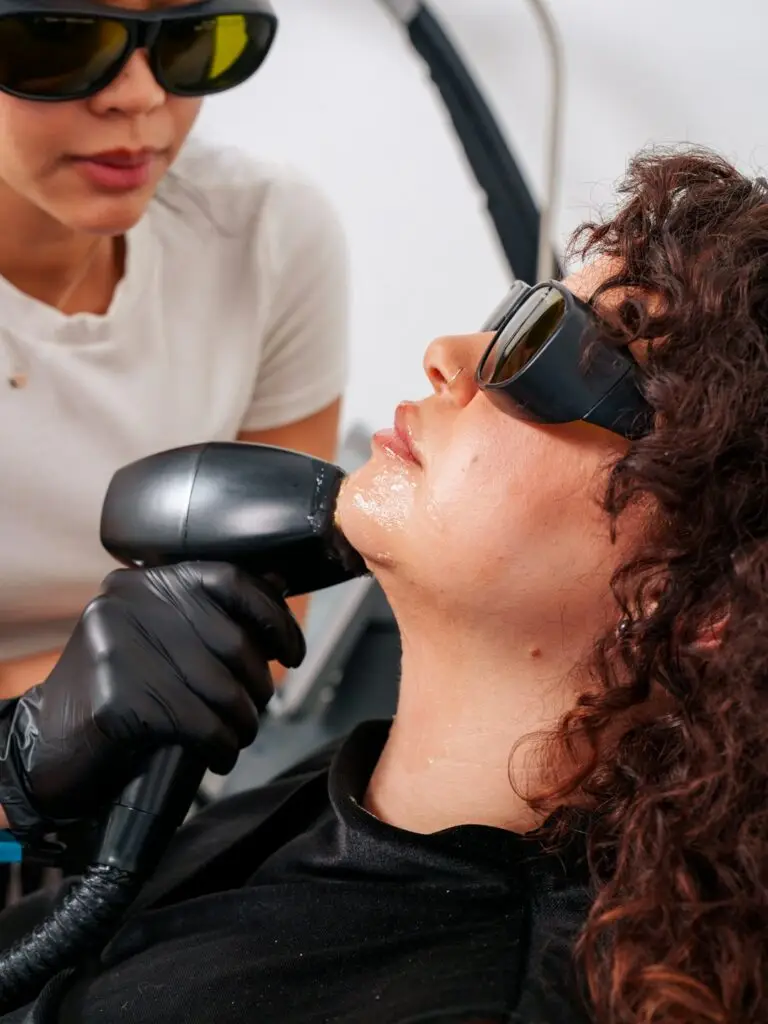
In the world of aesthetic medicine, laser hair removal holds a unique position. It’s often the first professional aesthetic treatment people try, and for good reason—it serves as the perfect introduction to a world of transformative services that can enhance confidence and simplify your beauty routines. Understanding why laser hair removal functions as this gateway can help you make informed decisions about your aesthetic journey.

Thin Lips Enhancement Wilmington Delaware

Thin lips are a common concern among patients seeking aesthetic treatments in Wilmington, Delaware. For some, lips have always been naturally narrow. For others, lips thin out with age as collagen, elastin, and hyaluronic acid decrease. Whatever the cause, modern non-surgical treatments make it possible to enhance lip shape, volume, and hydration in subtle, natural ways.