Aesthetics

Why Botox and Dermal Fillers Are the Go-To Choice for a Refreshed Look

Why Botox and Dermal Fillers Are the Go-To Choice for a Refreshed Look

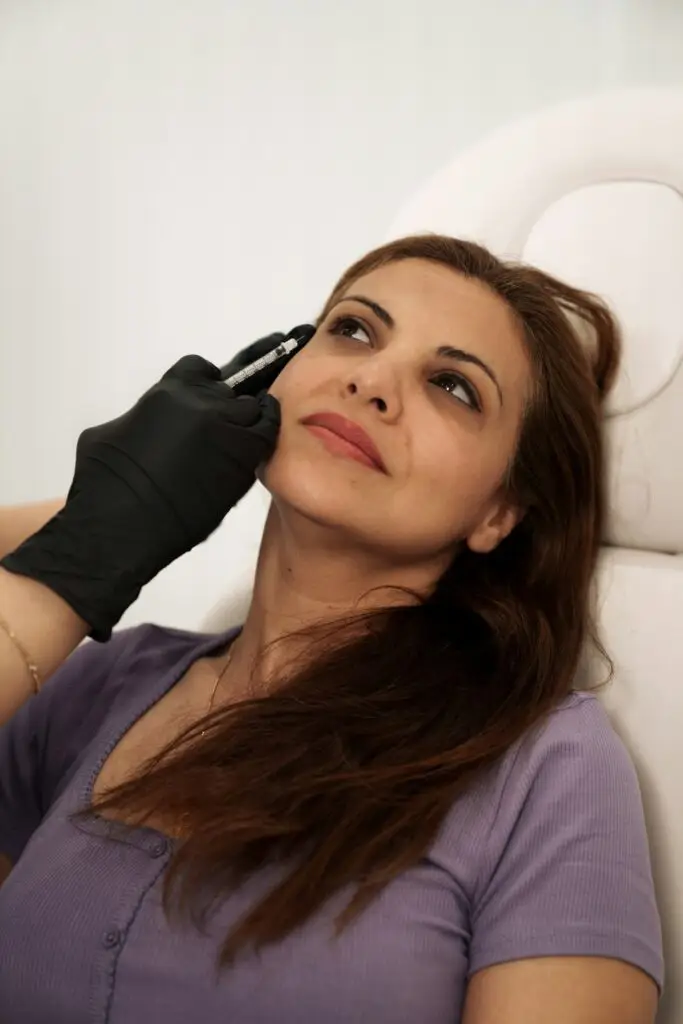
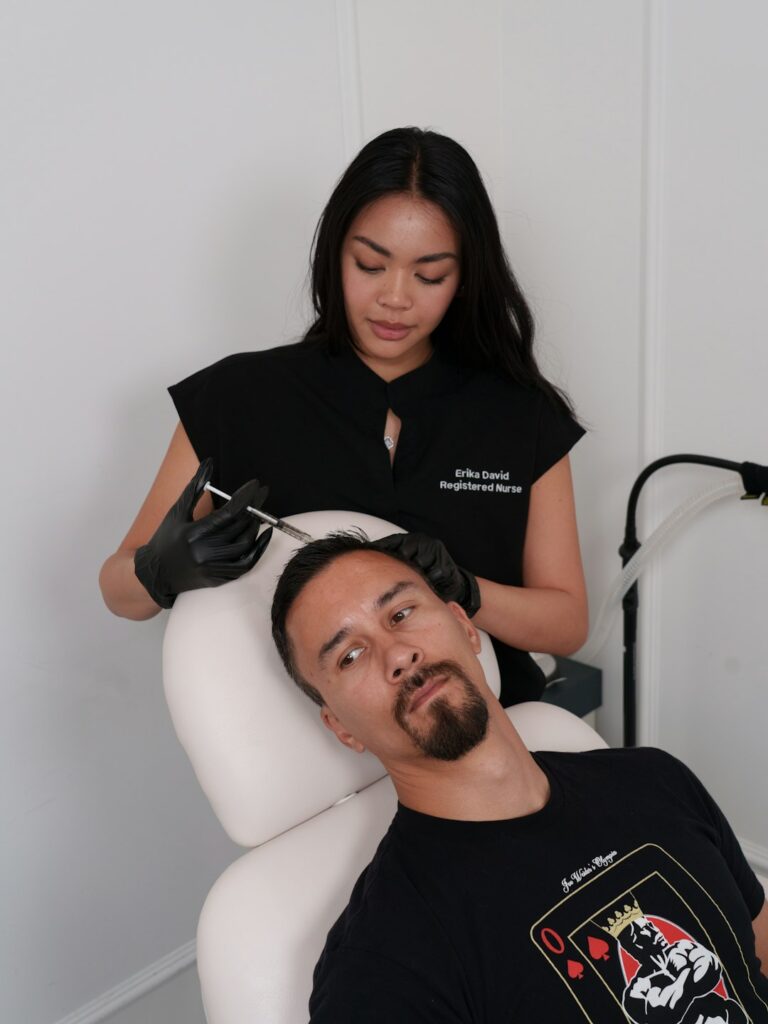
When people think about looking more rested, youthful, and confident without surgery, botox and dermal filler treatments are often at the top of the list. These popular aesthetic options have become a favorite for clients who want noticeable improvements without a long recovery time or a dramatic change in appearance. In Wilmington, Delaware, many patients are choosing injectables because they can soften lines, restore volume, and create a naturally refreshed look that still feels like them.

What Makes Botox and Dermal Filler So Popular?

One of the biggest reasons these treatments are so widely loved is their ability to deliver targeted results. Botox works by relaxing the muscles that cause expression lines, making it especially effective for forehead lines, frown lines, and crow’s feet. Dermal filler, on the other hand, adds volume and structure to areas that may look hollow, flat, or less defined over time. Together, they can address some of the most common signs of aging in a way that feels subtle and polished.

Another reason patients appreciate these treatments is the convenience. Many appointments can be completed during a lunch break, and most people return to their normal routine soon after. For busy professionals, parents, and anyone balancing a full schedule, that combination of efficiency and visible improvement is hard to beat.

Understanding the Difference Between Botox and Dermal Filler

Although people often mention them in the same breath, botox and dermal filler are not the same treatment. Botox is a wrinkle relaxer that reduces the movement of specific facial muscles. This makes it ideal for dynamic wrinkles, which are the lines that form from repeated expressions like smiling, squinting, or frowning.

Dermal filler serves a different purpose. Instead of relaxing muscle activity, it restores fullness and shape. It is commonly used in areas like the cheeks, lips, under-eye hollows, smile lines, and jawline. Because filler is designed to add volume, it can help improve contours and balance facial proportions. When used thoughtfully, it can even make the face look more lifted and hydrated.

The key to a good result is understanding which product belongs where. A skilled injector will not treat every concern the same way. Instead, they will evaluate facial anatomy, age-related changes, and your personal goals to create a plan that enhances your features rather than changing them.

What to Expect During a Consultation

Every successful injectable treatment begins with a thorough consultation. This is where your provider listens to your goals, reviews your medical history, and studies the structure of your face. In a professional med spa setting in Wilmington, Delaware, this step is essential because it helps ensure the treatment is safe, appropriate, and customized to your needs.

During the consultation, you may discuss concerns such as wrinkles, volume loss, facial asymmetry, or areas that make you feel tired or tense. Your provider may recommend botox alone, dermal filler alone, or a combination of both. The best treatment plan is not about doing the most, but about choosing the right approach for your features and lifestyle.

A good consultation should also include a realistic discussion of results. Botox will not fill a hollow cheek, and filler will not stop muscle movement in the forehead. When patients understand the role of each product, they are more likely to feel confident about their outcome and satisfied with the final look.

Common Treatment Areas for a Refreshed Appearance

Botox is often used on the upper face, where expression lines tend to become more noticeable over time. The forehead, between the brows, and around the eyes are some of the most common areas treated. In some cases, a small amount can also be used to soften a gummy smile or refine the appearance of the jawline.

Dermal filler is frequently used in the mid and lower face to restore balance and contour. Cheeks can regain youthful fullness, lips can look smoother and more defined, and the area around the mouth can appear softer. For patients concerned about skin laxity or facial flattening, filler can offer a more lifted and refreshed appearance without surgery.

Many people are pleasantly surprised by how much difference small adjustments can make. A subtle enhancement to the cheeks can brighten the face. A little volume in the lips can improve symmetry. A well-placed touch of botox can soften tension and make the entire face look more relaxed. The best results are often the ones that simply make others say you look well-rested.

How Long Do Results Last?

Botox typically lasts around three to four months, though results can vary depending on the treatment area, muscle strength, and individual response. Dermal filler can last anywhere from six months to well over a year, depending on the product used and the area treated. Your provider can explain what to expect based on your goals and the type of injectable recommended.

Aftercare is usually straightforward. Patients are often advised to avoid rubbing the area, intense exercise, or excessive heat for a short period after treatment. Mild redness, swelling, or bruising can happen, but these effects are generally temporary. Following your provider’s instructions helps protect your results and support a smooth recovery.

Why Natural-Looking Results Matter

Today’s aesthetic treatments are less about looking different and more about looking refreshed, rested, and confident. The most successful botox and dermal filler outcomes are tailored to the person receiving them. That means respecting natural facial movement, preserving balance, and enhancing features in a way that fits your age, face shape, and personal style.

In a city like Wilmington, Delaware, where patients value both professionalism and authenticity, this approach matters. People want to look like the best version of themselves, not someone else. That is why choosing an experienced provider is so important. Technique, restraint, and facial artistry all play a role in creating results that feel elegant rather than overdone.

If you have been thinking about smoothing lines, restoring volume, or simply looking a little more rested, botox and dermal filler may be the right starting point. Book an appointment with our providers in Wilmington, Delaware to explore customized treatment options and discover how a personalized injectable plan can help you look refreshed with confidence.

A Natural-Looking Refresh with Botox and Dermal Fillers

A Natural-Looking Refresh with Botox and Dermal Fillers

When people think about looking refreshed, they often picture dramatic change, but the best aesthetic results are usually the ones that look subtle, balanced, and completely like you. In Wilmington, Delaware, more patients are choosing botox and dermal filler treatments because they offer a practical way to soften lines, restore lost volume, and bring back a rested appearance without surgery or a long recovery time. Whether you want to address expression lines, enhance facial contours, or simply look more energized, these injectable treatments can be customized to fit your goals and your natural features.

Why Botox and Dermal Fillers Work So Well Together

Botox and dermal fillers are often grouped together, but they do very different jobs. Botox is a wrinkle relaxer that temporarily softens the muscle movements responsible for dynamic lines, such as frown lines, forehead wrinkles, and crow’s feet. Dermal filler, on the other hand, is used to restore volume, smooth deeper folds, and refine areas that have changed over time due to aging, genetics, or lifestyle factors.

Because they treat different concerns, these services complement one another beautifully. Botox can reduce the motion that deepens lines, while filler can improve the contours that make the face look fuller, smoother, and more youthful. Many patients appreciate that this approach does not rely on one single solution. Instead, it creates a personalized plan that supports facial harmony from several angles at once.

What Botox Can Help Improve

Botox is especially effective for expression-related wrinkles. These are the lines that form from repeated facial movement over time. Common treatment areas include the forehead, the area between the eyebrows, and the delicate skin around the eyes. For some patients, botox is also used in a more refined way to create a subtle lift in the brows or to soften the appearance of a strong jawline.

The appeal of Botox is that it can make a face look more relaxed without changing how it expresses emotion. The goal is not to freeze your features, but to help them look smoother and less tense. When performed skillfully, the results are soft and natural, allowing your personality to remain fully visible.

How Dermal Fillers Restore Balance

As the face ages, it can gradually lose volume in the cheeks, under the eyes, around the mouth, and along the jawline. Dermal filler helps replace that lost support and can also enhance facial definition. Some patients use filler to soften smile lines, improve the look of hollows, or add contour to the chin and cheeks. Others choose filler for lip enhancement, where precise placement can improve shape, hydration, and symmetry.

One of the greatest strengths of dermal filler is its versatility. It can be used for subtle refinement or for more noticeable correction, depending on what a patient wants. In a thoughtful treatment plan, filler is not about creating a different face; it is about restoring proportion and helping features look refreshed in a way that still feels authentic.

The Benefits of a Personalized Injectable Plan

A customized approach is essential because no two faces age in exactly the same way. Some people show more movement lines, while others notice volume loss first. Some may want to focus on the upper face, while others care more about the midface or mouth area. When botox and dermal filler are planned together, the treatment can address the full picture rather than only one isolated concern.

This combination can also help create a more cohesive result. For example, softening a heavily lined forehead may look even better when volume is restored in the cheeks or lips. Likewise, a little support in the lower face can make the entire face appear more rested and lifted. The advantage of working with experienced injectors is that they understand how to create balance, not just fill lines or reduce movement.

Common Areas Patients Ask About

Many people come in with a few specific concerns that they want to address. They may be bothered by wrinkles on the forehead, a tired look under the eyes, thinner lips, or a flattening of the cheeks. Others may want to improve facial symmetry or reduce the appearance of deep folds around the nose and mouth. These concerns are very common, and they are often the reason people first begin exploring injectables.

In some cases, patients only need a small amount of product to make a meaningful difference. In others, a broader treatment plan may be recommended to achieve a more complete refresh. Either way, the best results come from a provider who listens carefully and tailors the treatment to the individual rather than following a one-size-fits-all approach.

What to Expect During Your Visit

If you are considering botox or dermal filler in Wilmington, Delaware, your first appointment typically begins with a consultation. This is where your provider will review your concerns, discuss your medical history, examine your facial structure, and talk through realistic options. A good consultation is collaborative. It should feel informative, comfortable, and focused on your goals.

During treatment, most patients find the process quick and manageable. Botox injections are usually done in just a few minutes, while filler appointments may take a bit longer depending on the area being treated. Some temporary swelling or minor redness can happen, especially with filler, but many people return to their normal routine soon after their visit. Your provider may also share simple aftercare tips to help you protect your results and feel your best as you heal.

Choosing the Right Provider Makes All the Difference

Because injectables are both an art and a science, provider experience matters. You want someone who understands facial anatomy, uses high-quality products, and prioritizes natural-looking outcomes. You also want a team that values communication, answers your questions honestly, and helps you feel confident in the process from beginning to end.

In a place like Wilmington, Delaware, where patients often want results that fit their busy lifestyles, a skilled med spa can make it easier to enjoy aesthetic care without unnecessary downtime or overdone results. The right provider will help you decide whether botox, dermal filler, or a combination of both is the best fit for your features and your long-term goals.

Looking refreshed does not have to mean looking different. With a thoughtful plan built around botox and dermal filler, you can soften what bothers you, enhance what you love, and maintain the natural expression that makes your face uniquely yours. If you are ready to explore personalized injectable treatments in Wilmington, Delaware, book an appointment with our providers today and let us help you create a customized treatment plan that fits your goals.

Finding Comfort Again: Hormone-Free Support for Vaginal Dryness and Intimate Wellness

Finding Comfort Again: Hormone-Free Support for Vaginal Dryness and Intimate Wellness

Many women quietly live with changes in intimate comfort that affect daily life, confidence, and closeness. Vaginal atrophy and dryness can happen for many reasons, including hormonal shifts, childbirth, breastfeeding, stress, certain medications, and the natural aging process. Whatever the cause, the experience can feel frustrating and isolating. The good news is that support is available, and it does not always have to involve hormones or invasive procedures.

Why Vaginal Dryness Deserves Attention

Intimate dryness is more than a minor inconvenience. It can lead to irritation, a burning sensation, discomfort during exercise, and pain with intimacy. Over time, these symptoms may influence mood, relationships, and self-image. Because the topic is so personal, many women delay asking for help, hoping the issue will improve on its own. In reality, early attention often leads to better comfort and a more personalized plan.

Hormone-free feminine wellness options are especially appealing for women who prefer non-medication approaches or who cannot use hormone-based therapies. These treatments focus on supporting the tissues, improving hydration, and promoting overall pelvic comfort. They are designed to work with the body, helping women feel more like themselves again.

Supportive Options That Focus on Comfort

Modern intimate wellness treatments offer several ways to address dryness and related concerns without surgery or hormones. Depending on your goals, a provider may recommend gentle regenerative therapies, targeted hydration support, or wellness protocols that encourage healthier tissue function. The best results often come from a customized approach rather than a one-size-fits-all solution.

Building a Plan Around Your Symptoms

Some women notice dryness primarily during intimacy, while others feel daily irritation or sensitivity. A tailored consultation helps identify the pattern behind the symptoms and choose the most appropriate treatment path. This may include guidance on lifestyle habits, personal care products, and therapies that support tissue resilience. For women in Wilmington, Delaware, local access to personalized care can make the process feel more approachable and less overwhelming.

Pelvic Floor Strengthening Matters Too

While dryness and atrophy are often discussed separately, pelvic floor health can play an important role in overall intimate wellness. Pelvic floor strengthening may improve support, circulation, and body awareness, which can contribute to greater comfort and confidence. It can also be helpful for women experiencing urinary incontinence, since stronger and better-coordinated pelvic muscles may reduce leaks and improve day-to-day control.

Not every woman needs the same approach, and that is exactly why individualized care matters. A thoughtful provider will consider your symptoms, your health history, and your comfort level before recommending a plan. That may mean combining pelvic floor strengthening with moisturization strategies, regenerative care, or other non-invasive labiaplasty alternative options when the concern is appearance, friction, or irritation rather than structural surgery.

What Makes a Hormone-Free Approach Appealing

Many women want relief without adding hormones to their routine. Hormone-free feminine wellness options can be attractive for those who have sensitive health considerations, prefer natural-feeling solutions, or simply want a conservative first step. They also allow for gradual progress, with treatments that can be adjusted as symptoms change over time.

Another benefit is privacy and simplicity. A supportive wellness visit is usually centered on conversation, education, and realistic expectations. Instead of feeling rushed or judged, patients can ask questions about what is normal, what is treatable, and what outcomes are possible. That kind of experience can be empowering, especially for women who have spent years assuming discomfort was something they just had to accept.

Small Changes Can Make a Big Difference

Simple habits can complement in-office care. Choosing gentle cleansers, avoiding irritating products, staying hydrated, and wearing breathable fabrics may help reduce sensitivity. Some women also benefit from regular pelvic floor exercises or guided therapy to strengthen awareness and support. These small steps do not replace professional care, but they can help create a stronger foundation for comfort.

It is also important to remember that intimate wellness is about more than symptom relief. Feeling comfortable in your body can influence intimacy, movement, and even the confidence to wear what you want or participate more fully in daily life. When symptoms are addressed thoughtfully, many women are surprised by how much lighter and more natural everyday living begins to feel.

If you are experiencing vaginal atrophy and dryness, urinary incontinence, or other intimate concerns, you do not have to navigate them alone. With customized hormone-free feminine wellness and intimate wellness treatments available in Wilmington, Delaware, there are compassionate options designed around your needs. Book an appointment with our providers to explore customized treatments and take the next step toward lasting comfort, confidence, and care that feels right for you.

Understanding Hyperpigmentation in Melanated Skin

Understanding Hyperpigmentation in Melanated Skin

Hyperpigmentation in melanated skin is one of the most common reasons people seek skincare advice, yet it is often misunderstood. Those rich, beautiful undertones that make melanated skin so radiant can also make dark spots, uneven tone, and lingering marks more visible after acne, irritation, or inflammation. The good news is that with the right approach, hyperpigmentation can be managed safely and effectively without compromising the skin barrier or causing unnecessary irritation.

Why Hyperpigmentation Happens More Easily

Melanated skin naturally contains more melanin, the pigment responsible for skin color and protection against UV damage. Because melanocytes are more active, the skin may respond to even minor triggers by producing extra pigment. A breakout, an ingrown hair, eczema flare-ups, harsh scrubbing, or a too-aggressive treatment can all leave behind dark marks that seem to linger long after the original issue has healed.

This is why hyperpigmentation in melanated skin is often linked to post-inflammatory hyperpigmentation, or PIH. PIH is not a scar in the traditional sense, but it can be just as frustrating because it creates patchy discoloration that may take weeks or months to fade. The key is to treat the trigger early, reduce inflammation, and support even pigment production over time.

Ingredients That Help Without Overdoing It

The best brightening plan is one that respects the sensitivity of melanated skin. Gentle, consistent care usually works better than trying multiple strong products at once. Look for ingredients that support cell turnover, calm inflammation, and gradually reduce excess pigment.

Helpful ingredients to consider

Niacinamide can help reduce the appearance of discoloration while supporting the skin barrier. Vitamin C may brighten the complexion and provide antioxidant protection. Azelaic acid is especially useful for acne-prone skin because it addresses both breakouts and dark marks. Retinoids can improve texture and encourage healthy cell renewal, though they should be introduced slowly. Tranexamic acid is another promising option for stubborn uneven tone.

Hydration matters, too. A moisturizer with ceramides, glycerin, or hyaluronic acid can help keep melanated skin calm and resilient, which is important because irritation often makes pigmentation worse. If your skin barrier is compromised, even the most popular brightening serum may backfire.

What to Avoid When Treating Dark Marks

When people are eager to fade spots quickly, they often reach for harsh exfoliants, abrasive scrubs, or multiple active ingredients at once. For melanated skin, that can create more inflammation and lead to even more hyperpigmentation. Overusing strong acids or using products with questionable bleaching agents can also leave skin irritated, uneven, and sensitized to sun exposure.

Another common mistake is skipping sunscreen. Many people assume sunscreen is only necessary for lighter skin tones, but UV exposure can deepen hyperpigmentation in every skin type. Daily broad-spectrum SPF is essential, especially when treating dark spots. Even brief, repeated exposure can slow progress and cause marks to become more pronounced.

Professional Treatments Can Make a Difference

For stubborn hyperpigmentation in melanated skin, professional guidance can save time and help prevent complications. A customized treatment plan may include chemical peels formulated for deeper skin tones, targeted facials, prescription-strength topicals, or advanced light-based services when appropriate. The goal is not to aggressively strip pigment from the skin, but to create a controlled, supportive environment where tone can gradually even out.

Why customization matters

Not every treatment works for every skin tone, and not every dark spot has the same cause. Acne-related marks, melasma, and irritation from friction all require different strategies. A skilled provider will evaluate the skin carefully, choose the safest options, and adjust the plan based on your sensitivity, goals, and lifestyle. That kind of personalization is especially important for melanated skin, where minimizing inflammation is just as important as brightening the complexion.

Residents looking for expert support in Wilmington, Delaware can benefit from a consultation that focuses on both correction and prevention. Whether you are dealing with persistent post-acne marks, razor bumps, or patchy discoloration, a well-designed regimen can help restore a smoother, more even look over time.

A Simple Daily Routine That Supports Results

A thoughtful at-home routine can amplify professional care and help maintain progress. In the morning, a gentle cleanser, antioxidant serum, moisturizer, and SPF create a strong foundation. At night, a mild cleanser followed by a treatment serum and nourishing moisturizer can support repair while you sleep. The routine should be consistent, not complicated.

If your skin is prone to acne or sensitivity, simplify further. Focus on cleansing, protecting, and treating one concern at a time. Give each product enough time to work before adding something new. For many people, the most successful plan is the one they can actually stick to every day.

It is also helpful to monitor triggers. Friction from masks, tight clothing, shaving irritation, and picking at blemishes can all worsen dark marks. Small changes, like using a softer razor, applying calming aftercare, or resisting the urge to touch active breakouts, can make a noticeable difference in preventing new pigmentation from forming.

Hyperpigmentation in melanated skin does not have to feel like a permanent obstacle. With patient care, the right ingredients, and a treatment plan tailored to your skin’s needs, dark spots can fade and your natural glow can come through more clearly. If you are ready for customized treatments and expert guidance, book an appointment with our providers in Wilmington, Delaware and take the next step toward healthier, more even-toned skin.

5 Tricks to Choose the Right Med Spa Treatments for Your Skin Goals in Wilmington

5 Tricks to Choose the Right Med Spa Treatments for Your Skin Goals in Wilmington

Choosing a med spa treatment can feel exciting, but it can also feel overwhelming when every option promises smoother, brighter, or younger-looking skin. The best results usually come from a plan that matches your skin type, your concerns, and the lifestyle you actually live. In Wilmington, where sun exposure, humidity, and seasonal changes can all affect skin health, a thoughtful approach matters even more. Instead of picking a treatment based on trends alone, use a strategy that helps you get visible results while protecting your skin barrier and long-term comfort.

1. Start with Your Skin Type, Not the Trend

Before you choose anything, learn what your skin truly needs. Dry skin may respond well to hydrating facials, gentle chemical peels, or treatments that support moisture retention. Oily or acne-prone skin may benefit more from deep cleansing, pore-refining treatments, or options that reduce congestion without stripping the skin. Sensitive skin often does best with lower-intensity services and a slower treatment schedule. If your skin is combination, you may need a customized plan that addresses different concerns on different parts of the face.

Many people focus on the end result they want, such as glow, firmness, or clearer pores, but skin type determines how safely and effectively you can reach that goal. A treatment that works beautifully for one person may irritate another. That is why skin assessment should always come first.

2. Match the Treatment to the Goal You Want Most

Once you understand your skin type, narrow your focus to the primary result you want. If your biggest concern is dullness, treatments that exfoliate and refresh the surface may be ideal. If fine lines are your priority, collagen-stimulating options can help improve texture over time. If acne scars or uneven texture are holding you back, you may need a treatment that targets deeper layers of the skin for more noticeable improvement.

It helps to avoid trying to solve every concern in one session. A better approach is to identify your top goal and choose the service that supports it best. In many cases, a med spa provider can layer treatments over time, starting with one core concern and adjusting the plan as your skin improves. That kind of structure often leads to better, safer, and more satisfying outcomes.

3. Think About Downtime and Daily Life

The right treatment is not only about the skin result. It also needs to fit your calendar. Some services require very little downtime, which makes them ideal for busy professionals, parents, and anyone who wants to return to work quickly. Other treatments may involve redness, flaking, light peeling, or temporary sensitivity, which means you need to plan ahead.

Ask Yourself These Practical Questions

Will I be comfortable with a few days of redness? Do I have a special event coming up soon? Can I follow aftercare instructions carefully? Am I willing to avoid sun exposure, workouts, or certain products for a short period? These questions help you choose a treatment that works with your schedule rather than against it. In a place like Wilmington, where outdoor activities are part of everyday life, planning for recovery and sun protection is especially important.

4. Choose Treatments That Build on Each Other

Some of the most impressive skin improvements happen through a series of treatments instead of a single appointment. A med spa provider may recommend a combination approach, such as starting with a facial to calm the skin, then moving to microneedling, a peel, or another service designed for deeper correction. This approach is often more effective than using a stronger treatment too early.

Combination care also allows your provider to adjust based on how your skin responds. If your skin is healing well, your plan may become more intensive. If it becomes sensitive, the routine can be scaled back. That flexibility is valuable because skin changes with weather, stress, age, hormones, and sun exposure. A treatment plan that evolves with your skin is usually a smarter investment than a one-time fix.

5. Work with a Provider Who Personalizes the Plan

The most important step in choosing the right med spa treatment is the consultation. A skilled provider will not just recommend the most popular service. They will ask about your skincare routine, your history of sensitivity, any past treatments, and the results you hope to see. They may also examine your skin closely to look for issues that are not obvious at first glance, such as dehydration, barrier damage, or early signs of sun exposure.

This is where experience really matters. Personalized guidance helps prevent common mistakes like choosing a treatment that is too aggressive, too mild, or poorly timed for your skin condition. It also gives you a better chance of reaching your goals without unnecessary irritation or disappointment. The right provider will explain what to expect before, during, and after treatment so you can feel confident in every step of the process.

Why Wilmington Skin Needs a Smart Approach

Living in Wilmington means enjoying city living, but the environment can also challenge your skin. Sun exposure, heat, humidity, and salt air may all contribute to dryness, clogged pores, pigmentation concerns, or uneven texture. That is why a one-size-fits-all med spa treatment is rarely the best option. The right plan should support your skin through local conditions as well as your personal goals.

Whether you want a brighter complexion, smoother texture, or a more youthful look, the best path usually begins with honest evaluation and customized care. Small, well-chosen steps often create the most natural-looking results, especially when they are guided by a knowledgeable professional who understands how to tailor treatments to your unique needs.

If you are ready to choose med spa treatments that truly match your skin goals, take the time to start with a consultation, ask questions, and build a plan based on your skin type and lifestyle. A thoughtful approach can make all the difference in how your skin looks and feels, and if you want expert guidance, book an appointment for customized treatments with our providers.

Understanding Urinary Incontinence and the Power of Pelvic Floor Strengthening

Understanding Urinary Incontinence and the Power of Pelvic Floor Strengthening

Urinary incontinence is more common than many people realize, and yet it is still something that often goes unspoken. Whether it shows up as a small leak when you laugh, a sudden urge that is hard to control, or a larger loss of urine during exercise, it can affect confidence, comfort, and daily routines. The good news is that this issue is not something you simply have to accept. With the right support, many people can improve bladder control and feel more at ease in their bodies again.

Why Urinary Incontinence Happens

Urinary incontinence can develop for a wide range of reasons. Childbirth, menopause, aging, high-impact exercise, chronic coughing, constipation, and even stress can place pressure on the muscles that help control bladder function. In some cases, weakened pelvic floor muscles are the main factor. In others, overactive bladder signals or changes in tissue health contribute to the problem. Because there is no single cause, there is also no single solution. That is why a personalized approach matters so much.

Understanding the Pelvic Floor

The pelvic floor is a group of muscles and connective tissues that support the bladder, uterus, and bowel. These muscles work constantly behind the scenes to help maintain continence and provide stability for the core. When they are strong and coordinated, they help the body manage pressure changes like sneezing, lifting, and moving quickly. When they are weak, tight, or not functioning properly, leaks can happen more easily.

Many people only think about the pelvic floor after a problem starts, but supporting these muscles can be part of a proactive wellness routine. Pelvic floor strengthening is often recommended not only for those already experiencing urinary incontinence, but also for people who want to protect long-term bladder health and improve overall core support.

How Pelvic Floor Strengthening Helps

Pelvic floor strengthening can improve muscle awareness, endurance, and control. For some people, simple exercises taught correctly can make a meaningful difference. These may include contractions often referred to as Kegels, but technique matters. Performing the wrong muscles or holding tension in the abdomen, glutes, or thighs can reduce the benefits. That is why guidance from a trained provider can be so valuable.

Beyond traditional exercises, a treatment plan may include strategies to reduce bladder irritation, improve posture, and support healthy daily habits. Hydration, bowel regularity, and mindful movement all play a role. Strengthening is not just about repeating exercises; it is about teaching the body to work efficiently so that support becomes more natural during everyday life.

Signs It May Be Time to Seek Support

Some people wait years before mentioning bladder leakage, often because they assume it is a normal part of getting older or recovering from childbirth. But there are signs that professional support could help. These may include leaking urine during coughing, laughing, or physical activity; feeling a strong urge to urinate and not making it to the bathroom in time; waking up repeatedly at night to urinate; or avoiding workouts and social situations because of fear of leaks.

Even if symptoms seem minor, they can still affect quality of life. Early attention may help keep the issue from becoming more disruptive. A provider can help determine whether muscle weakness, bladder habits, tissue changes, or another factor is contributing to the problem.

What to Expect From a Personalized Approach

A thoughtful consultation usually begins with listening. Every person’s body, history, and goals are different. Some may want help after pregnancy. Others may be navigating menopause-related changes. Some are looking for hormone-free feminine wellness options because they prefer non-medication approaches or want to complement other care. A personalized plan may include pelvic floor education, targeted strengthening, bladder training strategies, or non-invasive intimate wellness treatments designed to support comfort and function.

For many patients, the biggest relief comes from knowing that the conversation can be open, practical, and judgment-free. It is possible to address urinary concerns without embarrassment and to build a plan that fits daily life rather than interrupting it.

Habits That Support Better Bladder Control

While professional support can be transformative, everyday habits matter too. Excess caffeine or carbonated drinks may irritate the bladder for some individuals. Constipation can increase pressure on the pelvic floor and make symptoms worse. Poor lifting mechanics and frequent breath-holding during exercise may also strain these muscles. Small changes, such as pacing bathroom breaks, using proper body mechanics, and strengthening the core in a balanced way, can support progress over time.

It can also help to track patterns. Noticing when leaks happen, how much fluid is consumed, or which activities trigger symptoms may provide useful clues. This information gives providers a clearer picture and helps shape treatment recommendations that are more effective.

Moving Toward Confidence Again

Urinary incontinence does not have to define your comfort or limit your activities. With pelvic floor strengthening, practical guidance, and customized care, many people find meaningful improvement. The goal is not perfection; it is confidence, control, and a better connection to your body. Supportive treatment can help restore trust in everyday movements so you can return to exercise, travel, work, and social life with greater ease.

When you are ready to take the next step, book an appointment for customized treatments with our providers and discover a plan tailored to your needs, your goals, and your comfort.

How Botox and Skincare Work Together for a Refreshed Look

How Botox and Skincare Work Together for a Refreshed Look

When people think about looking refreshed, they often picture two very different things: a great skincare routine and treatments that smooth expression lines. The truth is, these two approaches often work best together. Botox can soften the appearance of forehead lines, crow’s feet, and frown lines, while a thoughtful skincare routine helps improve texture, tone, hydration, and overall glow. For many people, the combination creates results that look natural, polished, and still completely like them.

Why Botox and Skincare Complement Each Other

Botox is designed to relax the muscles that cause dynamic wrinkles, which are the lines that appear from repeated facial movement. These may include the lines that deepen when you smile, squint, or raise your brows. Skincare, on the other hand, supports the surface of the skin. It can help with dryness, dullness, uneven texture, and some of the visible effects of sun exposure and aging. Together, they address both the cause of wrinkles and the condition of the skin itself.

This matters because even the best wrinkle relaxer works best on skin that is cared for consistently. Hydration, sun protection, gentle exfoliation, and professional treatments can all help maintain a smoother appearance. If your goal is to look rested rather than

Pelvic Floor Strengthening for Better Bladder Control

Pelvic Floor Strengthening for Better Bladder Control

Urinary incontinence can feel frustrating, isolating, and unpredictable, but it is also incredibly common. Many women experience occasional leaks when coughing, laughing, exercising, or feeling a sudden urge to urinate. While it may be easy to dismiss these symptoms as a normal part of aging or motherhood, bladder leakage is often a sign that the muscles and tissues supporting the bladder need more attention. The good news is that there are effective, non-invasive ways to improve comfort, confidence, and control.

Why Bladder Control Changes Over Time

The pelvic floor is a group of muscles, ligaments, and connective tissues that help support the bladder, uterus, and bowel. When these muscles become weakened, stretched, or poorly coordinated, they may not provide enough support during daily activities. Childbirth, hormonal changes, chronic constipation, high-impact exercise, and aging can all contribute to urinary incontinence. For many women, symptoms become more noticeable during menopause, when declining estrogen can also affect tissue health and bladder sensitivity.

Understanding what is happening beneath the surface can be empowering. Urinary leakage is not simply a cosmetic inconvenience or something you must quietly accept. It is a functional concern that can often be improved with targeted care. In many cases, combining pelvic floor strengthening with other hormone-free feminine wellness strategies can make a meaningful difference in day-to-day life.

How Pelvic Floor Strengthening Supports Feminine Wellness

Pelvic floor strengthening focuses on improving the muscles that help control urination and support the organs in the pelvis. When these muscles are trained correctly, they can better respond to pressure, stabilize the core, and reduce the likelihood of leaks. This is especially important for women who notice symptoms during movement, exercise, or sudden increases in abdominal pressure.

What stronger pelvic floor muscles can help with

A well-supported pelvic floor may improve stress incontinence, reduce urgency episodes, and increase confidence in physical activity. Many women also report better body awareness and improved posture. While results vary, consistency and proper technique are key. Gentle, personalized treatment plans often work better than one-size-fits-all advice, especially when symptoms are linked to multiple factors.

Why technique matters

Not all pelvic floor exercises are performed correctly on the first try. Some women accidentally tighten their abdomen, glutes, or thighs instead of isolating the pelvic floor. Others may overtrain muscles that are already tense rather than weak. That is why guidance from a knowledgeable provider can be so helpful. A personalized plan can help determine whether your muscles need strengthening, relaxation, coordination, or a combination of all three.

A Hormone-free Approach to Comfort and Confidence

Not every woman wants or can use hormone-based treatments, and that is where hormone-free feminine wellness options can play an important role. Supportive therapies may include pelvic floor retraining, lifestyle coaching, bladder habit education, and non-invasive technologies designed to improve tissue health and function without surgery or hormones. These approaches can be especially appealing for women seeking gradual, natural-feeling improvements.

Hormone-free care is not about doing less; it is about choosing the right tools for your body and your goals. Some women want help with leakage during workouts. Others want to stop planning their day around restroom access. Still others are looking for a broader sense of comfort and vitality in their intimate wellness routine. A thoughtful treatment plan can address these concerns in a way that feels practical and sustainable.

Everyday Habits That Can Reduce Leakage

Small lifestyle changes can support pelvic floor health and reinforce treatment results. Hydration matters, but so does avoiding excessive bladder irritants like caffeine and alcohol if they worsen symptoms. Constipation can increase pressure on the pelvic floor, so fiber-rich foods and regular bowel habits are also important. Maintaining a healthy weight, practicing proper breathing during exercise, and avoiding repeated straining can all help reduce stress on the bladder.

Timing also matters. Many women benefit from bladder training techniques that help them gradually extend the time between bathroom visits. This can calm urgency symptoms and improve confidence. In some cases, tracking leaks, fluid intake, and symptom triggers can reveal patterns that make treatment more effective. These simple observations often give both patients and providers a clearer roadmap for progress.

When to Seek Professional Support

If urinary incontinence is affecting your sleep, exercise routine, workday, or self-esteem, it may be time to speak with a specialist. You do not need to wait until symptoms become severe. Early support can prevent frustration and help you regain control sooner. A consultation may include a discussion of your medical history, symptom patterns, pelvic floor function, and treatment preferences.

In a supportive clinical setting, care can be customized to your needs. Some women improve with guided pelvic floor strengthening alone. Others benefit from a combination of therapies that address bladder habits, tissue changes, and muscle coordination. The goal is not simply to reduce leakage, but to help you feel more comfortable and confident in your own body.

Reclaiming Confidence One Step at a Time

Urinary incontinence does not have to define your routine or limit the activities you enjoy. With the right care, it is possible to strengthen support where your body needs it most and create a plan that fits your lifestyle. Whether your symptoms are mild or more disruptive, a gentle and personalized approach can help you move forward with greater ease, comfort, and peace of mind. Book an appointment for customized treatments with our providers and take the next step toward lasting feminine wellness.

Botox and Dermal Fillers: A Natural-Looking Approach to Facial Rejuvenation

Botox and Dermal Fillers: A Natural-Looking Approach to Facial Rejuvenation

When people start noticing fine lines, volume loss, or a face that looks more tired than they feel, they often want a treatment that restores freshness without changing their appearance. That is exactly why Botox and dermal fillers remain two of the most popular options in modern aesthetic care. Used thoughtfully, these treatments can soften wrinkles, enhance facial balance, and create a rested, natural-looking result that still looks like you.

How Botox and Dermal Fillers Work Together

Although they are often mentioned in the same conversation, Botox and dermal fillers do very different jobs. Botox is a wrinkle relaxer that targets the muscle movement responsible for expression lines such as forehead creases, crow’s feet, and frown lines. By gently reducing repeated motion, it helps skin appear smoother and can prevent deeper lines from forming over time.

Dermal fillers, on the other hand, are designed to restore volume and contour. As the face changes with age, areas like the cheeks, lips, under-eyes, and smile lines may begin to look less full. Filler can add subtle lift and structure, making the face look refreshed rather than overdone. When both treatments are used strategically, they complement one another beautifully.

Botox for Expression Lines

Many people first consider Botox because they notice lines that remain visible even when the face is at rest. These are often caused by years of repeated expressions. A well-placed wrinkle relaxer can soften these lines while preserving natural movement. The goal is not to freeze the face, but to reduce the appearance of tension so the skin looks smoother and more relaxed.

Botox is especially popular for the upper face, where dynamic wrinkles tend to develop quickly. The treatment is efficient, typically requires little downtime, and can be customized to match each person’s facial anatomy and goals. For many patients, it offers a simple way to look more refreshed without making a dramatic change.

Dermal Filler for Volume and Contour

Dermal filler is ideal for patients who want to address fullness loss or enhance facial shape. It can soften deep folds around the mouth, improve cheek support, refine the jawline, or add natural-looking volume to the lips. In skilled hands, filler can create balance and proportion while still keeping the face soft and expressive.

One of the biggest advantages of filler is its versatility. Some people want a barely noticeable enhancement that simply restores what time has taken away, while others want a more defined contour. A thoughtful treatment plan takes both preferences into account, allowing the result to look elegant and tailored rather than obvious.

Why Natural Results Matter

The most successful aesthetic treatments are the ones that make people look well-rested, not different. That is why technique matters so much with injectables. The placement, amount used, and choice of product all influence how natural the final result will appear. Overfilling or relaxing too much can lead to an artificial look, while conservative treatment can enhance the face in a subtle, flattering way.

A good provider will study the entire face before recommending treatment. They will consider skin quality, facial symmetry, muscle strength, and areas of volume loss. This full-face approach helps ensure that Botox and filler work in harmony rather than competing with one another.

Popular Treatment Areas

Botox and dermal filler can be used in a variety of areas depending on the concerns being addressed. Botox is commonly used on the forehead, between the brows, and around the eyes. Some patients also explore smaller enhancements such as a botox lip flip, which can subtly relax the upper lip for a softer shape without adding volume.

Fillers are frequently used in the cheeks for lift, in the lips for added shape, around the mouth for softening lines, and in the lower face for improved contour. In some cases, filler can even help improve the appearance of tired under-eyes or create better facial balance when one area seems less proportionate than another.

What to Expect During Treatment

A typical injectable appointment begins with a consultation. This is the time to discuss your concerns, your desired level of change, and any past experience with Botox or filler. From there, your provider can recommend a plan that matches your features and comfort level.

The treatment itself is usually quick and straightforward. Most appointments take place in a calm clinical setting and involve only a few small injections. Some patients feel mild pressure or a brief pinch, but the process is generally very manageable. Depending on the treatment area, you may notice immediate improvement with filler, while Botox results usually appear gradually over the following days.

Aftercare and Long-Term Maintenance

After treatment, providers often give simple care instructions such as avoiding vigorous exercise for the rest of the day, not pressing on the treated areas, and following any personalized guidance based on the products used. Mild swelling, redness, or tenderness can happen, but these effects are usually temporary.

Because Botox and fillers are not permanent, many people return for maintenance visits to keep their results looking consistent. Some prefer to adjust their plan over time as their needs change, while others find a routine that helps them maintain a fresh and confident appearance year-round. The best approach is one that supports your features naturally and evolves with your goals.

If you have been considering Botox, dermal filler, or a combination of both, the key is finding a provider who understands balance, restraint, and personalized care. With the right treatment plan, it is possible to smooth lines, restore volume, and enhance your features in a way that still feels authentically you, so when you are ready to explore customized options, book an appointment with our providers for a treatment plan tailored to your goals.

How to Choose the Right Med Spa Treatments in Wilmington DE in 2026

How to Choose the Right Med Spa Treatments in Wilmington DE in 2026

If you are searching Botox Near Me or comparing the Best Med Spa in Wilmington DE, this guide shows which treatments actually match common goals in 2026: softer wrinkles, fuller lips, clearer skin, less body fullness, and better intimate wellness. You will learn how botox, filler, lip filler, laser hair removal, Hydrafacial, microneedling, CoolSculpting, IV therapy, and vaginal rejuvenation fit different concerns so you can book the right visit the first time.

Key Takeaways


    • Start with the problem you want to solve, not the trendiest service on the menu.
    • For deeper changes, a consultation matters more than a discount.
    • Experience with your skin tone, anatomy, and medical history should guide the plan.

What can a Wilmington med spa help with first?

Searches like medsp in Wilmington or medpsa in wilmington de usually come from people who want visible results without surgery. A strong med spa plan often begins with a facial, a medical-grade skincare routine, or a targeted consult for wrinkles, acne, hyperpigmentation, or skin laxity.

If you are comparing a black owned medspa, minority owned medspa, latina owned medspa, or a practice with a black nurse practitioner or Spanish speaking medspa staff, the best fit is the one that explains risks clearly and listens to your goals. That matters just as much as brand names.

Botox, wrinkle relaxers, and filler: what actually changes?

Botox and other wrinkle relaxer treatments are best for expression lines caused by repeated muscle movement, such as forehead lines, crow’s feet, and frown lines. They can also support a subtle botox lip flip when the upper lip needs a small amount of lift without adding volume.

Dermal filler is different. Filler adds structure and volume for lips, cheeks, under-eyes in selected cases, and filler for jowls when volume loss is part of the issue. If you are searching lip filler in wilmington, the right question is not just how much, but whether you need shape, hydration, balance, or projection.

For plain-language context on filler safety and risks, see the U.S. Food and Drug Administration’s dermal fillers safety guidance.

Botox for jowls is usually more about softening downward muscle pull than lifting sagging skin. In many cases, jowl care works better with a blend of filler, radiofrequency microneedling, and skincare than with a single syringe.

When a lip flip makes more sense than filler

A botox lip flip is useful when you want the upper lip to look a little more visible at rest. Lip filler is the better choice when you want actual volume, shape correction, or better symmetry. Many patients benefit from a small amount of both instead of choosing one treatment alone.

Which skin treatments help with acne scars, dark circles, and crepey skin?

If your main search is acne treatment near me or Acne Scar Treatment Near Me, microneedling is often part of the conversation. A Microneedling Appointment or radiofrequency microneedling treatment like Morpheus8, often searched as morpheus 8, can improve acne scars, early skin laxity, crepey skin, and fine wrinkles by stimulating collagen.

Book Microneedling Treatment when you want texture improvement with modest downtime, not a one-day facial glow only. For deeper pigment concerns, hyperpigmentation treatments, dark spot treatment, and carefully chosen chemical peel options may be added.

Dark circles need cause-specific care. Sometimes the issue is pigment, sometimes hollowing, and sometimes shadowing, which is why a good provider will not promise one fix for every under-eye concern.

A practical skincare plan usually starts with facials, sunscreen, retinoids, and consistent home care before moving to devices. That is often the fastest path to better tone, smoother texture, and fewer breakouts over time.

Are laser hair removal and chemical peels safe for darker skin?

Yes, they can be, but only with the right device, settings, and operator experience. If you are searching Laser Hair Removal Near Me, ask whether the clinic routinely treats darker skin tones and whether its platform is appropriate for laser hair removal safe for darker skin and laser hair removal safe for dark skin.

Laser Hair Removal Deals should include a real consultation, not just a flash sale. The same logic applies to chemical peel safe for dark skin: superficial peels, conservative prep, and aftercare reduce the chance of post-inflammatory hyperpigmentation.

Hybrid devices such as Halo can help with texture and sun damage, but they are not interchangeable with every peel or facial. If a menu lists Halo salt therapy, ask whether Halo refers to the laser and salt therapy is a separate wellness add-on, because the goals are very different.

For people comparing facials, a facial near me search, or a Hydrafacial Near Me visit, the Hydrafacial Cost should reflect skin goals, add-ons, and whether the treatment is being used as maintenance or part of a corrective plan.

What about CoolSculpting, IV therapy, and intimate wellness?

A CoolSculpting Consultation is most useful when you are close to your goal weight and want help with stubborn pockets, not when you are trying to lose weight overall. CoolSculpting Near Me searches usually mean body contouring is the goal, while medical weight loss should be a separate discussion.

IV hydration, IV therapy, IV fluid, and a Myer’s Cocktail may help when dehydration, travel fatigue, or recovery are the real concerns. They are not a replacement for nutrition, sleep, or medical care, and they should not be sold as a cure for every low-energy day.

For vaginal dryness, painful intercourse, dyspareunia, vaginal laxity, incontinence, menopause, perimenopause, estrogen changes, and postpartum changes, ask about vaginal rejuvenation and non-surgical labioplasty options such as Empower RF. A responsible provider will also explain when pelvic floor therapy, gynecology, or hormone care is the better next step.

How do you choose the best provider in Wilmington?

When people type Best Med Spa in Wilmington DE, they usually want three things: real clinical oversight, clear pricing, and results that fit their face, body, and skin tone. Ask who performs the treatment, how often they treat your concern, what complications they see, and what aftercare is included.

The best practice is one that is precise about outcomes. If you want Botox Near Me for wrinkles, lip filler for shape, a facial for maintenance, or a Morpheus 8 plan for skin laxity, the consultation should explain what is likely to improve, what will not, and how many sessions may be needed.

That is also where inclusive care matters. Whether you are looking for a Spanish speaking medspa, a latina owned medspa, a minority owned medspa, a black owned medspa, or simply a team that understands your skin and communication style, your comfort during the consult is part of the treatment outcome.

If you are ready to move from research to action, choose one goal for your first visit, bring photos of the result you want, and ask for a customized plan instead of a generic menu. The right medspa visit should leave you with a clear next step, a realistic timeline, and a treatment that fits your skin, budget, and schedule.