Botox and Dermal Fillers for Natural-Looking Rejuvenation
When people think about refreshing their appearance, they often want results that look subtle, polished, and still completely like themselves. That is exactly why botox and dermal filler remain two of the most requested non-surgical treatments in modern aesthetics. Used thoughtfully, they can soften wrinkles, restore youthful volume, and create a balanced look without interrupting daily life.
How Botox and Dermal Fillers Work Together
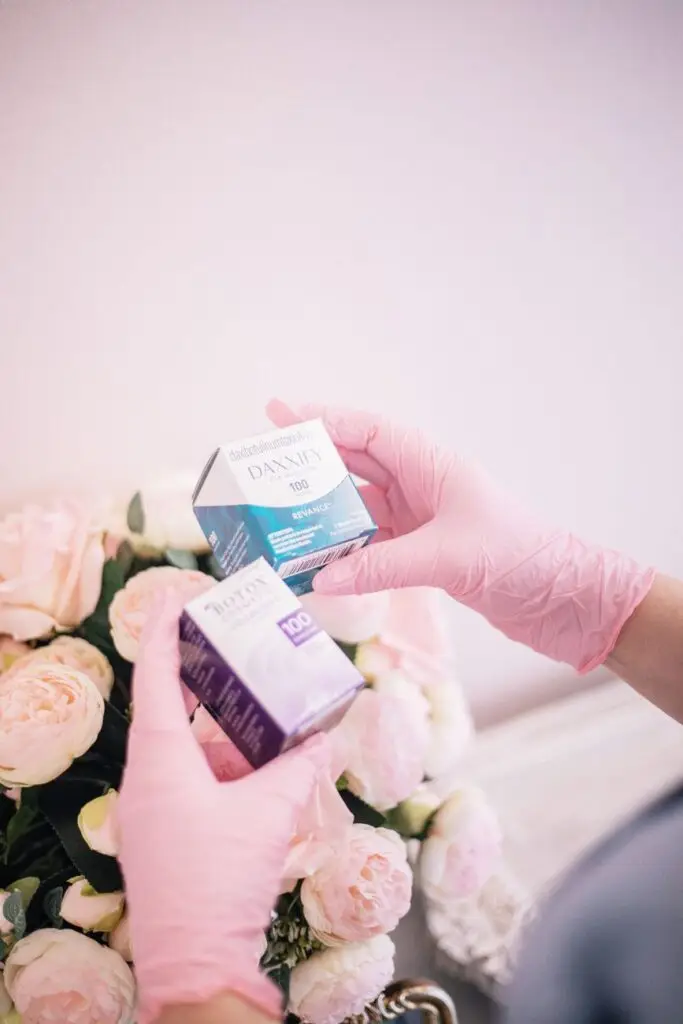
Although both treatments are popular, they serve different purposes. Botox is a wrinkle relaxer that temporarily softens muscle movement, which helps reduce the appearance of expression lines such as forehead creases, frown lines, and crow’s feet. Dermal filler, on the other hand, adds volume where it has been lost over time. It can enhance lips, smooth smile lines, define the cheeks, and support areas that look hollow or tired.
When combined strategically, these treatments create a more complete rejuvenation plan. Botox can help prevent deeper dynamic lines from becoming more noticeable, while filler can restore structure and contour. Together, they can help the face look rested rather than overdone. For many patients in Wilmington, Delaware, that balance is the goal.
Why People Choose Injectable Treatments
One of the biggest advantages of botox and dermal filler is flexibility. Treatments can be tailored to a person’s age, facial anatomy, and cosmetic goals. Some patients want a subtle refresh before a special event. Others want ongoing maintenance that helps them age gracefully over time. Because the results are customizable, injectables can be adjusted for first-time patients as well as those who already know exactly what they want.
Another benefit is convenience. Most appointments are quick, and downtime is usually minimal. Many people return to work, errands, or social plans the same day. That makes these treatments especially appealing for busy professionals, parents, and anyone looking for an efficient way to invest in self-care.
Common Areas Treated with Botox
Botox is often used to address expression-related concerns in the upper face. The forehead can become smoother, between-the-brow lines can look softer, and crow’s feet around the eyes can be less noticeable. Some patients also ask about a subtle brow lift effect or a softer look around the jawline. When performed by an experienced provider, the outcome should still allow for natural facial movement.
Many people are surprised by how much of a difference small changes can make. A carefully placed wrinkle relaxer does not need to erase every line to be effective. In fact, preserving some expression is often what keeps the face looking fresh and authentic.
Popular Uses for Dermal Filler
Dermal filler is often chosen for volume restoration and facial balancing. It may be used to enhance lips, soften nasolabial folds, support the cheeks, or improve the look of under-eye hollows. In some cases, filler can also be helpful for sharpening the jawline or minimizing the appearance of jowls. The right product and placement depend on the treatment area and the overall facial structure.
For patients who want lip filler, the goal is usually enhancement without losing natural shape. A skilled injector will consider proportions, symmetry, and the patient’s preferred level of fullness. The same is true for other treatment areas: subtle changes can have a meaningful effect when they are planned with precision.
What to Expect During Your Appointment
A good consultation is an essential part of the process. Before treatment begins, your provider should review your goals, medical history, and any areas of concern. This is the time to ask questions about the difference between botox and filler, how long results may last, and what kind of maintenance schedule might be right for you.
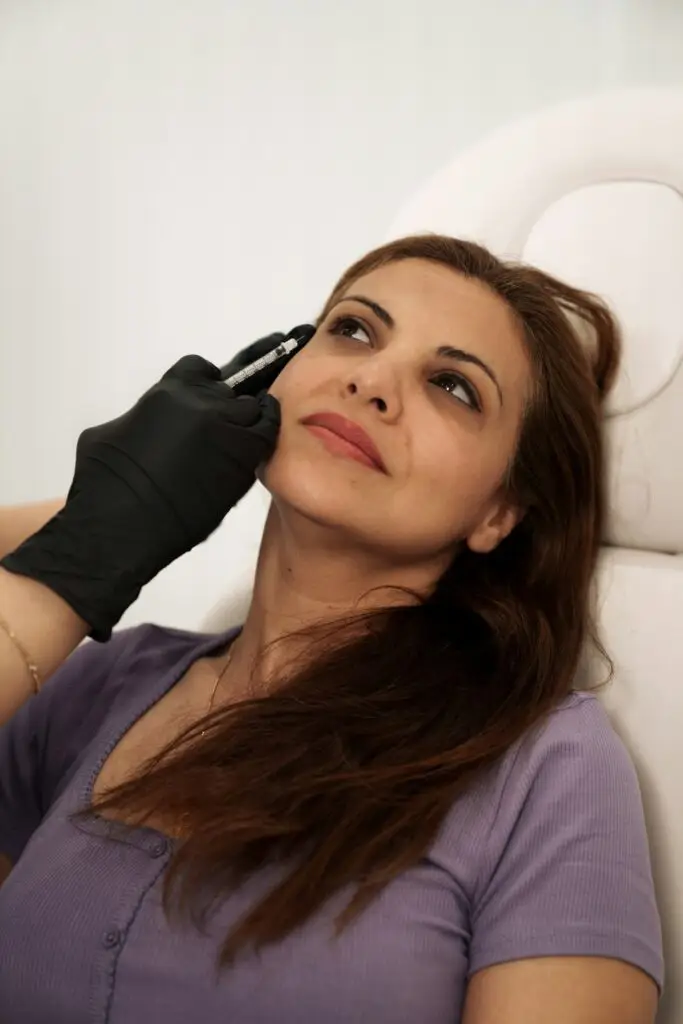
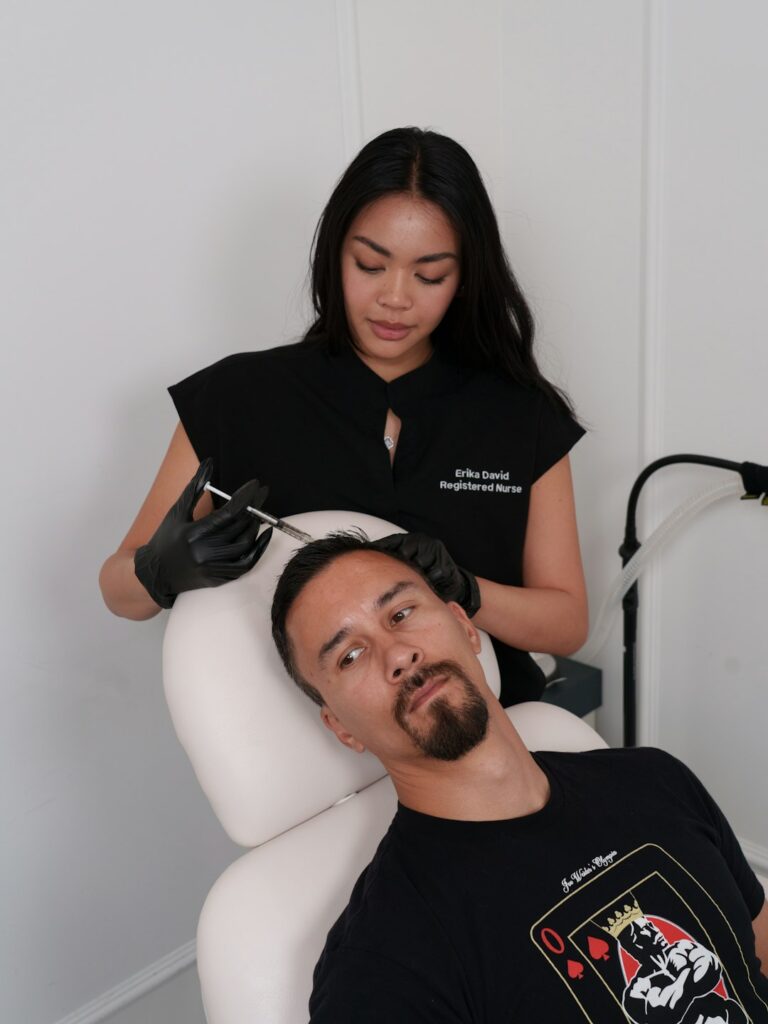
During the appointment, the provider will map the areas to be treated and use a careful injection technique designed to support natural-looking results. Some patients describe the sensation as a brief pinch or pressure. Depending on the treatment plan, the entire visit may take less than an hour.
Afterward, there may be mild swelling, redness, or tenderness at the injection sites. These effects are usually temporary. Most people can resume normal activities quickly, although they may be advised to avoid heavy exercise, excessive heat, or touching the area for a short period of time. Following aftercare instructions helps support the best possible outcome.
Why Provider Experience Matters
Injectables are highly individualized, which is why choosing a qualified provider matters so much. The best results come from someone who understands facial anatomy, listens carefully, and treats with restraint. A thoughtful injector knows when to recommend botox, when filler may be a better option, and when a combination approach makes the most sense.
In a city like Wilmington, Delaware, patients often want more than a one-size-fits-all solution. They want a personalized plan that respects their features and their comfort level. Working with an experienced med spa team can make that experience feel more confident from start to finish.
Building a Treatment Plan That Feels Right for You
There is no single formula for facial rejuvenation. Some patients prefer to start small, using botox alone to soften lines. Others may choose dermal filler first to restore volume and then add a wrinkle relaxer later. Many people eventually find that a combination plan offers the best long-term balance. What matters most is selecting treatments that align with your goals, your lifestyle, and your comfort with change.
Botox and dermal filler can be powerful tools when used with care, especially for patients who want natural-looking results that enhance rather than alter their appearance. If you are considering treatment in Wilmington, Delaware, book an appointment to meet with our providers and explore customized options designed around your features, your goals, and your confidence.