A Practical Guide to Better Bladder Control and Pelvic Floor Support

A Practical Guide to Better Bladder Control and Pelvic Floor Support

Leaking a little urine when you laugh, sneeze, exercise, or rush to the bathroom can feel frustrating and surprisingly isolating. Urinary incontinence is far more common than many people realize, and it can affect confidence, activity level, and day-to-day comfort. The good news is that there are supportive, hormone-free ways to address the issue, including pelvic floor strengthening and other intimate wellness treatments designed to help the body function more comfortably.

Understanding Urinary Incontinence

Urinary incontinence is the involuntary loss of urine. For some people, it appears as a few drops during a cough or workout. For others, it may involve a sudden, urgent need to urinate that is difficult to control. In either case, the condition can interfere with work, social events, travel, and exercise. While it may be common after pregnancy, childbirth, menopause, or with age, it is not something you simply have to accept as permanent.

There are several types of incontinence. Stress incontinence happens when pressure is placed on the bladder, such as during sneezing or lifting. Urge incontinence involves a sudden and strong need to go. Some people experience a combination of both. Identifying the pattern matters because it helps guide the right care approach and makes treatment more effective.

The Role of Pelvic Floor Strengthening

The pelvic floor is a group of muscles that supports the bladder, uterus, and bowel. When these muscles become weak, stretched, or uncoordinated, bladder control can suffer. Pelvic floor strengthening helps retrain those muscles so they can better support the organs above them and respond more effectively to pressure and movement.

Many people think of pelvic floor exercises as only Kegels, but a complete strengthening plan may include breathing techniques, posture awareness, core support, and guided muscle activation. When done correctly, pelvic floor work can improve control, reduce leakage episodes, and increase body awareness. It can also help people feel more confident returning to exercise, intimacy, or everyday activities they may have been avoiding.

Why Professional Guidance Matters

Although pelvic floor exercises sound simple, many people unknowingly perform them incorrectly. Some tighten the wrong muscles, hold their breath, or overtrain areas that are already tense. A provider experienced in intimate wellness treatments can help determine whether the pelvic floor is weak, tight, or both. That distinction is important, because the best plan for improvement should be personalized instead of one-size-fits-all.

In many cases, a professional evaluation may reveal other contributing factors, such as hormone shifts, bladder habits, constipation, or previous childbirth-related changes. By looking at the bigger picture, treatment can target the root cause rather than only the symptoms.

Hormone-free Feminine Wellness Options

Not everyone wants or can use hormone-based care, which is why hormone-free feminine wellness solutions are gaining attention. These options focus on supporting tissue function, comfort, and strength without adding hormones to the body. Depending on your needs, care may include pelvic floor rehabilitation, bladder training strategies, lifestyle adjustments, and in-office therapies that promote healthier intimate wellness.

Hormone-free approaches can be especially appealing for people who prefer a more natural treatment path or who are looking for options compatible with certain medical histories. They can also be useful for individuals who want to improve comfort without changing their broader hormonal balance. The goal is not just symptom reduction, but better daily function and peace of mind.

Small Habits That Support Better Bladder Control

Daily habits matter more than many people expect. Staying hydrated is important, even if bladder leakage is frustrating, because limiting fluids too much can actually irritate the bladder. It can also help to reduce or track triggers such as caffeine, carbonated drinks, or very acidic foods if they seem to worsen symptoms. Timed bathroom breaks and bladder training may also help some people regain a sense of control over urgency.

Movement can be helpful as well. Gentle exercise, core stability work, and mindful breathing often support pelvic health when paired with a thoughtful treatment plan. For some, learning how to avoid straining during lifting, bowel movements, or workouts can make a meaningful difference in symptom management.

When to Seek Help

If bladder leakage is happening regularly, causing embarrassment, or limiting your routine, it is worth speaking with a professional. You do not need to wait until symptoms become severe. Early support can make it easier to improve pelvic floor function and prevent frustration from building over time. Seeking help can also rule out other causes of urinary changes, such as infection or bladder irritation, and ensure you are using the safest approach for your body.

For many people, the first step toward improvement is simply knowing that solutions exist. Whether your symptoms are mild or more disruptive, guidance from a team that understands feminine wellness can make the process feel far less overwhelming. A personalized plan may include education, exercise, treatment sessions, and practical advice that fits your lifestyle.

Living with urinary incontinence does not have to mean giving up the activities you enjoy or feeling limited by unpredictable symptoms. With pelvic floor strengthening, hormone-free feminine wellness options, and thoughtful intimate wellness treatments, it is possible to support better bladder control and restore comfort in everyday life. If you are in Wilmington, Delaware and ready to explore customized care, book an appointment with our providers today and take the next step toward a plan designed specifically for you.

Botox and Dermal Filler: A Natural-Looking Way to Refresh Your Appearance

Botox and Dermal Filler: A Natural-Looking Way to Refresh Your Appearance

When people think about facial rejuvenation, they often picture dramatic change, but that is not what most patients want. In Wilmington, Delaware, more and more adults are choosing Botox and dermal filler because they offer a softer, refreshed look without surgery or a long recovery. These treatments can help smooth expression lines, restore lost volume, and bring better balance to the face while still looking like you. The best results are usually the ones that do not call attention to themselves, but instead help you look rested, confident, and naturally vibrant.

Why Subtle Enhancement Has Become So Popular

Modern aesthetics has shifted away from the overdone look and toward precision. Botox and dermal filler are popular because they work in different but complementary ways. Botox relaxes muscles that create lines from repeated expressions, while dermal filler adds volume in areas that have changed over time. Together, they can soften signs of aging in a way that still feels believable. For many patients, the goal is not to look different, but to look like the best version of themselves after a good night of sleep, better hydration, and a little expert help.

What Botox Does Best

Botox is often chosen for dynamic wrinkles, which are lines that form from movement. Common areas include frown lines between the brows, forehead lines, and crow’s feet around the eyes. It can also be used for a subtle lip flip, which gently relaxes the upper lip so it appears a bit fuller without adding volume. That small adjustment can make a big difference for patients who want a softer smile or a more defined lip shape. When Botox is placed thoughtfully, it smooths the face without erasing expression, allowing you to look refreshed rather than frozen.

Where Dermal Filler Shines

Dermal filler is designed to restore volume, contour, and structure. As the face ages, areas like the cheeks, lips, temples, and around the mouth may lose fullness. Filler can help lift the midface, soften smile lines, and refine the lips for patients interested in lip filler or subtle lip enhancement. It can also improve the appearance of jowls by supporting nearby facial structure and creating a smoother transition along the jawline. The key to beautiful filler results is moderation and balance. A skilled injector uses filler to support your features, not overpower them.

Building a Treatment Plan That Fits Your Face

No two faces age in exactly the same way, which is why personalized planning matters. Some patients only need Botox in a few targeted areas, while others benefit from a combination of Botox and dermal filler to address both movement and volume loss. During a consultation, the provider should evaluate your facial anatomy, listen to your concerns, and map out a plan that matches your goals. This is especially important if you want a natural result. A good treatment plan is not built around trends. It is built around your features, your comfort level, and the look you want to achieve.

The Value of an Expert Consultation

An experienced injector understands how the face changes over time and how each product should be placed for the best result. That expertise helps reduce the risk of looking heavy, puffy, or uneven. It also helps determine whether you would benefit more from Botox, filler, or a combination of both. For example, fine lines caused by movement may respond well to a wrinkle relaxer, while volume loss in the cheeks or lips may call for filler instead. A consultation is the perfect time to talk honestly about your priorities, ask questions, and create a treatment plan that feels realistic and comfortable.

What Your Visit May Feel Like

Most Botox and filler appointments are straightforward and efficient. Your provider will usually begin by reviewing your goals and examining the areas you want to improve. The skin is cleansed, treatment points are marked if needed, and the procedure is performed with a fine needle or cannula depending on the area. Some patients describe Botox as a series of quick pinches, while filler can create a little more pressure, especially in sensitive areas like the lips. After treatment, there may be mild swelling or redness, but downtime is typically limited. Many patients return to their daily routine soon after their appointment.

Results appear on different timelines depending on the product and area treated. Botox generally starts to work within a few days and reaches its full effect in about two weeks. Dermal filler often creates visible improvement right away, though the final look may continue to settle as swelling decreases. Good aftercare is just as important as the treatment itself. Following your provider’s instructions, staying hydrated, and avoiding unnecessary pressure on the treated areas can help you enjoy smoother, longer-lasting results.

What makes Botox and dermal filler so appealing is the flexibility they offer. Some patients want a quick touch-up before an event, while others are looking for a long-term plan to maintain a youthful, polished appearance. Either way, the best outcomes come from a skilled provider who understands proportion, facial harmony, and the importance of restraint. If you are ready to explore customized Botox or dermal filler treatments in Wilmington, Delaware, book an appointment with our providers and take the next step toward a refreshed look that still feels completely like you.

Top 7 Tips for Choosing the Best Botox Provider in Wilmington

Top 7 Tips for Choosing the Best Botox Provider in Wilmington

Choosing a Botox provider is about more than convenience or price. In Wilmington, Delaware, the best results come from a clinician who understands facial anatomy, listens carefully, and prioritizes safety. Whether you are considering Botox for the first time or looking to refine your ongoing treatment plan, the provider you choose can shape how natural, balanced, and refreshed your results appear.

1. Verify Credentials and Medical Training

Start by confirming that the provider is properly licensed and trained to administer injectables. Botox should be performed by a qualified medical professional who understands facial muscles, injection depth, and dosage. Ask about their education, board certifications, and whether they regularly perform aesthetic treatments. A strong medical foundation is one of the clearest signs that your provider takes both safety and results seriously.

2. Look for Extensive Experience with Botox

Experience matters because Botox is not a one-size-fits-all treatment. A provider with years of hands-on experience can better assess how much product is needed, where it should be placed, and how to avoid a frozen or overdone look. When you meet with a provider, ask how often they treat patients with Botox and whether they have experience with your specific concerns, such as forehead lines, crow’s feet, or frown lines.

3. Review Before-and-After Photos

Before-and-after photos can tell you a lot about a provider’s style and consistency. Look for results that appear smooth, subtle, and proportional to the patient’s natural features. The goal of Botox is often to soften expression lines while preserving movement and expression. If the provider’s portfolio shows very natural results, that is usually a positive sign that they aim for enhancement rather than exaggeration.

4. Read Patient Reviews with a Critical Eye

Online reviews can help you understand how a provider treats patients, communicates during consultations, and handles follow-up care. Look for patterns in the feedback instead of focusing on one or two comments. Consistent praise for professionalism, gentle technique, and natural outcomes is encouraging. Likewise, repeated concerns about rushed appointments, poor communication, or inconsistent results should not be ignored. In Wilmington, Delaware, patient experiences can offer valuable insight into which providers truly deliver dependable care.

5. Ask About Safety Protocols and Product Quality

Safety should always be a top priority. A reputable Botox provider will discuss how they store products, maintain sterile technique, and monitor patients for side effects. They should also explain what to expect after treatment and how to reach them if you have questions. It is important to choose a practice that uses authentic, FDA-approved Botox and follows strict clinical standards. These steps help protect your health and support more predictable results.

What a Safe Provider Should Explain

A trustworthy provider should walk you through possible side effects, expected recovery, and aftercare instructions before treatment begins. They should also ask about your medical history, current medications, and any prior aesthetic procedures. This level of detail shows they are focused on tailoring treatment to you rather than rushing through an appointment.

6. Choose Someone Who Focuses on Natural-Looking Results

The best Botox provider is not the one who promises the most dramatic change. It is the one who understands subtlety. Natural-looking Botox should soften lines without making your face look stiff or expressionless. A skilled injector will consider your unique facial anatomy, muscle movement, and treatment goals to create a result that looks refreshed rather than obvious. If a provider talks about enhancing your features instead of changing them, that is usually a promising sign.

7. Pay Attention to the Consultation Experience

Your consultation can reveal a great deal about the provider’s approach. A quality consultation should feel collaborative, informative, and unrushed. The provider should ask about your goals, explain what Botox can and cannot do, and give honest recommendations based on your needs. If they pressure you into additional services or make unrealistic promises, consider it a red flag. A thoughtful consultation is often the clearest sign that the provider values long-term relationships and safe outcomes.

Making the Right Choice for Your Skin Goals

Selecting the best Botox provider in Wilmington, Delaware is ultimately about finding the right combination of skill, communication, and safety. The ideal provider will have strong qualifications, meaningful experience, positive patient feedback, and a treatment philosophy that prioritizes natural enhancement. When those pieces come together, you are far more likely to feel confident before, during, and after your appointment.

If you are ready to take the next step, book an appointment for customized treatments with our providers in Wilmington, Delaware. A personalized consultation can help you understand your options, answer your questions, and create a Botox plan designed around your unique features and goals.

Hormone-Free Relief for Vaginal Dryness and Intimate Wellness

Hormone-Free Relief for Vaginal Dryness and Intimate Wellness

Vaginal dryness and the discomfort that can come with hormonal changes are more common than many women realize, yet they are often discussed in hushed tones. Whether related to menopause, postpartum shifts, stress, certain medications, or age-related changes, vaginal atrophy and dryness can affect comfort, confidence, intimacy, and day-to-day wellbeing. The good news is that there are modern, hormone-free feminine wellness options designed to support the delicate tissues of the intimate area without requiring a one-size-fits-all approach.

Why Vaginal Dryness Happens

As estrogen levels fluctuate, the vaginal lining can become thinner, less elastic, and less lubricated. This change may lead to itching, burning, pain during intimacy, or a general sense of irritation that can make even simple activities uncomfortable. While this is often associated with menopause, younger women can experience similar symptoms due to breastfeeding, high stress, autoimmune conditions, or side effects from medications. Because the causes are so varied, effective care begins with understanding the full picture of each patient’s health and symptoms.

What Hormone-Free Feminine Wellness Can Offer

Many women want relief, but prefer to avoid hormones or are not candidates for hormonal therapies. Hormone-free feminine wellness treatments focus on improving tissue health, hydration, circulation, and overall comfort through non-surgical and non-systemic options. These therapies are designed to be gentle while still addressing the underlying concerns that can contribute to vaginal atrophy and dryness.

Support Without a One-Size-Fits-All Plan

Customized care matters because no two women experience intimate wellness concerns in exactly the same way. Some patients are primarily looking for relief from dryness and irritation, while others want help improving intimacy, reducing sensitivity, or restoring a more youthful feeling in the tissue. A personalized treatment plan can combine in-office procedures with at-home recommendations to create steady, lasting improvement.

How Intimate Wellness Treatments Work

Intimate wellness treatments can help stimulate the body’s natural healing response in the vaginal and surrounding tissue. Depending on the patient’s needs, providers may recommend therapies that encourage collagen production, increase blood flow, and support healthier tissue quality. These treatments are generally non-invasive or minimally invasive, making them appealing to women who want real results without surgery or extended downtime.

Common Benefits Patients Notice

Women who choose these services often report improved moisture, less friction, greater comfort during intimacy, and reduced day-to-day irritation. Some also notice an overall improvement in confidence and emotional wellbeing, which can be just as meaningful as the physical changes. When the intimate area feels healthier and more comfortable, it can have a positive effect on relationships, self-image, and quality of life.

A Gentle Alternative for Sensitive Concerns

For patients who are hesitant about prescription medications or invasive procedures, hormone-free options can be an empowering first step. These treatments are especially appealing for women who have a history of hormone-sensitive conditions, prefer a natural approach, or simply want a solution that fits their lifestyle. In many cases, the goal is not only symptom relief, but also helping the tissue function more like it once did.

What to Expect at a Consultation

A thorough consultation is the foundation of effective intimate care. Your provider should listen carefully to your symptoms, health history, and goals before recommending any treatment. This is also the time to discuss whether your concerns are related to dryness, age-related tissue changes, pelvic discomfort, or other intimate wellness issues that may benefit from a broader approach. In Wilmington, Delaware, patients can find providers who understand that these conversations deserve privacy, compassion, and medical expertise.

Building a Comfortable, Customized Experience

Because intimate wellness is deeply personal, the right provider will create a supportive environment where you can ask questions freely and explore your options without pressure. Some women benefit from a single treatment, while others see the best results from a series of sessions. A customized plan helps ensure that the care you receive aligns with your body’s needs and your personal comfort level.

Why Women Are Seeking Non-Invasive Options

Today’s patients are looking for treatments that are effective, discreet, and easy to fit into busy lives. Non-invasive feminine wellness care offers that balance by focusing on comfort, recovery time, and measurable improvement. Rather than masking symptoms, these therapies aim to support healthier tissue from within, making them an appealing choice for women who want a modern solution that feels both practical and respectful of their preferences.

If vaginal dryness or intimate discomfort has been affecting your confidence or quality of life, you do not have to simply live with it. Hormone-free feminine wellness treatments may provide the relief and support you have been searching for, with options tailored to your needs right here in Wilmington, Delaware. Book an appointment with our providers to explore customized treatments and take the first step toward feeling more comfortable, supported, and confident again.

Botox and Dermal Fillers: A Natural Refresh for a More Rested Look

Botox and Dermal Fillers: A Natural Refresh for a More Rested Look

If you have been noticing fine lines that linger longer than they used to, or facial volume changes that make you look more tired than you feel, you are not alone. Many people in Wilmington, Delaware are turning to Botox and dermal filler treatments as a way to refresh their appearance without taking time away from work, family, or everyday life. When performed thoughtfully, these treatments can soften wrinkles, restore balance, and help your features look rested, not overdone.

Why Botox and Dermal Fillers Remain So Popular

Botox and dermal filler are two of the most requested aesthetic treatments because they address different signs of aging while working beautifully together. Botox is a wrinkle relaxer that helps soften expression lines caused by repeated movement, such as frown lines, forehead lines, and crow’s feet. Dermal filler, on the other hand, adds structure and volume where it has naturally diminished over time.

This combination is especially appealing for people who want noticeable improvement without surgery. Rather than changing how you look, the goal is to enhance what is already there. A skilled injector can use these treatments to create subtle results that still feel like you.

How Botox Works on Dynamic Wrinkles

Dynamic wrinkles form from the constant activity of facial muscles. Smiling, squinting, concentrating, and even lifting the brows can gradually create lines that become more visible over time. Botox works by temporarily relaxing the muscles responsible for those expressions, allowing the skin above them to smooth out.

The treatment itself is quick, often completed in just a few minutes. Most people describe the sensation as a series of tiny pinches and return to normal activities shortly after their appointment. Results typically begin to appear within several days and continue improving over the next couple of weeks.

Common Areas for Botox

Botox is often used for forehead lines, glabellar lines between the brows, and crow’s feet around the eyes. It may also be used in smaller, customized ways depending on your goals, such as creating a softer brow position or refining the look of the jawline. The best outcomes come from treatment plans tailored to facial movement, skin quality, and overall balance.

How Dermal Filler Restores Volume and Shape

While Botox focuses on movement, dermal filler addresses volume loss and contour. As the face ages, natural fat pads can shift and diminish, leading to flatter cheeks, deeper folds, or less definition around the lips and jawline. Fillers are designed to replenish that lost support and bring back a smoother, more youthful contour.

Depending on the area being treated, filler can subtly lift the cheeks, soften smile lines, refine the chin, or enhance the lips. A well-executed filler treatment should blend into your features seamlessly. The aim is not to make the face look filled, but to restore harmony and proportion.

Subtle Enhancements Make the Biggest Difference

Small adjustments often create the most natural-looking improvement. For example, a tiny amount of filler in the midface can improve under-eye shadows, while a conservative lip treatment can define the shape without making lips look artificial. The artistry of the injector matters just as much as the product itself.

What to Expect During a Treatment Visit

A personalized consultation is the first step in creating a treatment plan that fits your features and goals. During your visit, your provider will review your concerns, discuss your medical history, and evaluate the areas you want to improve. From there, they will recommend whether Botox, dermal filler, or a combination makes the most sense.

Most appointments are straightforward and efficient. After cleansing the treatment area, your provider may mark injection points and use a fine needle or cannula depending on the area treated. Mild swelling or redness can happen, especially with filler, but this usually settles quickly. Many clients appreciate that these treatments fit comfortably into a lunch break or a busy day.

How to Get Results That Still Look Like You

The best injectable results are never one-size-fits-all. Facial anatomy, age, skin quality, and muscle strength all influence the treatment plan. A careful injector will consider symmetry, expression patterns, and the overall effect you want to achieve. In many cases, less is more. A conservative approach can make you look brighter and more refreshed while preserving your natural personality.

It is also important to choose a provider who understands facial balance and uses high-quality products in a professional med spa setting. In Wilmington, Delaware, many clients seek out experienced providers who take the time to educate, customize, and refine treatment plans rather than rushing through appointments.

Pairing Injectables With a Smart Skincare Routine

Botox and dermal filler can do a lot, but they work even better when supported by consistent skincare. Daily sunscreen, gentle cleansing, hydration, and targeted treatments can help protect your results and improve the condition of your skin over time. Healthy skin often makes injectables look even smoother and more polished.

If you are also concerned about texture, dullness, or early skin laxity, your provider may suggest treatments that complement your injectables and support overall skin quality. The most effective aesthetic plans are layered thoughtfully so each treatment enhances the next.

If you are ready to explore Botox, dermal filler, or a customized wrinkle relaxer plan in Wilmington, Delaware, book an appointment with our providers and let us help you choose the right treatment for your goals. A personalized consultation can give you clear answers, realistic expectations, and a plan designed to refresh your look with confidence.

6 Recommendations for Effective Weight Loss with Semaglutide Injections

6 Recommendations for Effective Weight Loss with Semaglutide Injections

Semaglutide injections have become a valuable tool for adults seeking meaningful, medically supervised weight loss. By helping reduce appetite, increase feelings of fullness, and support better portion control, this treatment can make healthy habits feel more manageable. Still, the best results rarely come from the medication alone. When semaglutide is paired with thoughtful lifestyle changes, patients are more likely to experience steady progress that can be maintained over time.

If you are considering semaglutide or already using it, these six recommendations can help you get the most from your treatment while building habits that support long-term success.

1. Take Semaglutide Exactly as Prescribed

The first and most important step is to follow your provider’s instructions closely. Semaglutide is typically started at a lower dose and increased gradually so your body can adjust. This approach may reduce side effects such as nausea or stomach discomfort while helping you stay consistent with treatment.

Missing doses, changing the schedule on your own, or increasing the dose too quickly can make the experience less effective and less comfortable. If you have questions about timing, injection technique, or what to do if you miss a dose, ask your provider rather than guessing. Consistency matters, and regular check-ins can help keep your plan on track.

2. Build Meals Around Protein, Fiber, and Balance

Semaglutide often helps people feel satisfied with smaller portions, which makes meal quality even more important. Prioritizing protein, fiber, and nutrient-dense foods can help you stay full longer and support healthier energy levels throughout the day.

Smart meal structure

A balanced plate might include lean protein such as chicken, fish, eggs, Greek yogurt, tofu, or beans, along with vegetables, fruit, and whole grains. These foods tend to be more filling than highly processed snacks or meals that are heavy in refined carbs and added sugars. Many patients also find that eating slowly and stopping when comfortably satisfied helps prevent overeating, especially as appetite changes during treatment.

3. Stay Hydrated and Support Digestive Comfort

Hydration is often overlooked, but it can make a big difference when using semaglutide. Drinking enough water may help with digestion, energy, and appetite control. Because some patients experience mild nausea or constipation, fluids and fiber become especially helpful.

Try to sip water regularly throughout the day rather than waiting until you feel thirsty. If plain water feels difficult to maintain, add lemon, cucumber, or use unsweetened herbal tea. Increasing fiber gradually is also important, since a sudden jump in fiber can cause bloating. Pair fiber intake with hydration for better comfort and smoother digestion.

4. Move in Ways You Can Keep Doing

Exercise does not have to be intense to support meaningful weight loss. In fact, one of the most effective strategies is to choose movement you can repeat consistently. Walking, strength training, cycling, swimming, yoga, and beginner fitness classes can all help improve calorie balance, protect muscle mass, and support mood.

Why strength matters

Including resistance exercise is especially valuable during weight loss because it helps preserve lean muscle while the body sheds fat. Even two to three short strength sessions per week can make a noticeable difference over time. If you are new to exercise, start small and build gradually. A realistic plan is more effective than an aggressive routine that burns you out after a few weeks.

5. Track More Than the Number on the Scale

Scale weight is only one measure of progress, and it can fluctuate for many reasons, including hydration, sodium intake, hormones, and stress. While weight trends are important, it is just as helpful to notice other signs of success such as improved stamina, smaller clothing sizes, fewer cravings, better blood sugar control, or more confidence around food.

Keeping a simple log can help you identify patterns. You might record your weekly weight, daily water intake, meal consistency, exercise, sleep, and any side effects. This information can be especially useful during follow-up appointments because it gives your provider a clearer picture of what is working and where adjustments may be needed.

6. Use Semaglutide as Part of a Long-Term Plan

The most sustainable results usually happen when semaglutide is viewed as part of a broader health strategy, not a quick fix. The medication can help create momentum, but maintaining weight loss often depends on lifestyle habits, accountability, and ongoing support. That is why regular communication with a trusted provider is so valuable.

As your body changes, your nutrition, exercise, and dose plan may need to be adjusted. Some patients eventually discover that they feel better with a different meal routine, a new walking schedule, or more structured support around stress eating. Others benefit from discussing realistic goals and expectations over time. The process is personal, and the best plan is one that aligns with your health needs and daily life.

Making Your Plan Work in Real Life

Successful weight loss is not about perfection. It is about finding a rhythm that supports your health consistently enough to create lasting change. Semaglutide injections can reduce the friction that often makes weight loss difficult, but the habits you practice each day still matter. Better meals, more movement, quality sleep, hydration, and regular follow-up care all work together to improve outcomes.

For patients in Wilmington, Delaware, this combination of medical treatment and practical lifestyle support can be a powerful way to move toward a healthier weight with greater confidence. If you are ready to explore whether semaglutide is right for you, or if you want help refining your current plan, book an appointment with our providers for customized treatments designed around your goals, your body, and your long-term success.

Botox and Dermal Filler Treatments in Wilmington, Delaware

Botox and Dermal Filler Treatments in Wilmington, Delaware

If you have been noticing fine lines, deeper wrinkles, or a little loss of volume that makes your face look more tired than you feel, you are not alone. Many people in Wilmington, Delaware are choosing Botox and dermal filler treatments because they offer a refreshed, natural-looking result without taking time away from work, family, or social plans. When performed with an experienced aesthetic provider, these treatments can smooth expression lines, restore balance, and help you look like yourself again—just a little more rested and confident.

Why Botox and Dermal Filler Work So Well Together

Botox and dermal filler address different concerns, which is why they are often used together in a customized treatment plan. Botox is a wrinkle relaxer that helps soften dynamic lines caused by repeated facial movement, such as frown lines, forehead lines, and crow’s feet. Dermal filler, on the other hand, adds subtle volume where age, stress, and natural collagen loss have created hollowness or sagging. Together, they can create a smoother, more lifted appearance without looking overdone.

For many patients, the combination feels especially effective because it treats the face as a whole rather than focusing on one area at a time. A skilled injector can assess facial balance, skin quality, and movement patterns to recommend a plan that looks natural from every angle. That is one reason so many clients searching for the Best Med Spa in Wilmington DE want a provider who understands both artistry and anatomy.

Botox for expression lines and a softer look

Botox remains one of the most popular injectable treatments because it delivers noticeable improvement with minimal downtime. It is commonly used for forehead creases, the

A Gentle Approach to Urinary Incontinence and Pelvic Floor Wellness

A Gentle Approach to Urinary Incontinence and Pelvic Floor Wellness

Urinary incontinence is more common than many people realize, yet it is still one of the most overlooked concerns in women’s health. Leaks that happen while laughing, coughing, exercising, or even getting through a busy workday can feel frustrating and isolating. The good news is that there are modern, supportive ways to address these symptoms without jumping straight to invasive procedures. For many women, pelvic floor strengthening and hormone-free feminine wellness treatments offer a practical path toward greater comfort and confidence.

Why Urinary Incontinence Happens

Urinary incontinence can develop for a variety of reasons, including pregnancy, childbirth, menopause, aging, pelvic surgery, or changes in muscle tone over time. The pelvic floor is a group of muscles that helps support the bladder, uterus, and bowel. When these muscles become weak or less responsive, everyday pressure can lead to unexpected leakage.

It is important to remember that incontinence is not simply a

Why Botox and Dermal Fillers Are the Go-To Choice for a Refreshed Look

Why Botox and Dermal Fillers Are the Go-To Choice for a Refreshed Look

When people think about looking more rested, youthful, and confident without surgery, botox and dermal filler treatments are often at the top of the list. These popular aesthetic options have become a favorite for clients who want noticeable improvements without a long recovery time or a dramatic change in appearance. In Wilmington, Delaware, many patients are choosing injectables because they can soften lines, restore volume, and create a naturally refreshed look that still feels like them.

What Makes Botox and Dermal Filler So Popular?

One of the biggest reasons these treatments are so widely loved is their ability to deliver targeted results. Botox works by relaxing the muscles that cause expression lines, making it especially effective for forehead lines, frown lines, and crow’s feet. Dermal filler, on the other hand, adds volume and structure to areas that may look hollow, flat, or less defined over time. Together, they can address some of the most common signs of aging in a way that feels subtle and polished.

Another reason patients appreciate these treatments is the convenience. Many appointments can be completed during a lunch break, and most people return to their normal routine soon after. For busy professionals, parents, and anyone balancing a full schedule, that combination of efficiency and visible improvement is hard to beat.

Understanding the Difference Between Botox and Dermal Filler

Although people often mention them in the same breath, botox and dermal filler are not the same treatment. Botox is a wrinkle relaxer that reduces the movement of specific facial muscles. This makes it ideal for dynamic wrinkles, which are the lines that form from repeated expressions like smiling, squinting, or frowning.

Dermal filler serves a different purpose. Instead of relaxing muscle activity, it restores fullness and shape. It is commonly used in areas like the cheeks, lips, under-eye hollows, smile lines, and jawline. Because filler is designed to add volume, it can help improve contours and balance facial proportions. When used thoughtfully, it can even make the face look more lifted and hydrated.

The key to a good result is understanding which product belongs where. A skilled injector will not treat every concern the same way. Instead, they will evaluate facial anatomy, age-related changes, and your personal goals to create a plan that enhances your features rather than changing them.

What to Expect During a Consultation

Every successful injectable treatment begins with a thorough consultation. This is where your provider listens to your goals, reviews your medical history, and studies the structure of your face. In a professional med spa setting in Wilmington, Delaware, this step is essential because it helps ensure the treatment is safe, appropriate, and customized to your needs.

During the consultation, you may discuss concerns such as wrinkles, volume loss, facial asymmetry, or areas that make you feel tired or tense. Your provider may recommend botox alone, dermal filler alone, or a combination of both. The best treatment plan is not about doing the most, but about choosing the right approach for your features and lifestyle.

A good consultation should also include a realistic discussion of results. Botox will not fill a hollow cheek, and filler will not stop muscle movement in the forehead. When patients understand the role of each product, they are more likely to feel confident about their outcome and satisfied with the final look.

Common Treatment Areas for a Refreshed Appearance

Botox is often used on the upper face, where expression lines tend to become more noticeable over time. The forehead, between the brows, and around the eyes are some of the most common areas treated. In some cases, a small amount can also be used to soften a gummy smile or refine the appearance of the jawline.

Dermal filler is frequently used in the mid and lower face to restore balance and contour. Cheeks can regain youthful fullness, lips can look smoother and more defined, and the area around the mouth can appear softer. For patients concerned about skin laxity or facial flattening, filler can offer a more lifted and refreshed appearance without surgery.

Many people are pleasantly surprised by how much difference small adjustments can make. A subtle enhancement to the cheeks can brighten the face. A little volume in the lips can improve symmetry. A well-placed touch of botox can soften tension and make the entire face look more relaxed. The best results are often the ones that simply make others say you look well-rested.

How Long Do Results Last?

Botox typically lasts around three to four months, though results can vary depending on the treatment area, muscle strength, and individual response. Dermal filler can last anywhere from six months to well over a year, depending on the product used and the area treated. Your provider can explain what to expect based on your goals and the type of injectable recommended.

Aftercare is usually straightforward. Patients are often advised to avoid rubbing the area, intense exercise, or excessive heat for a short period after treatment. Mild redness, swelling, or bruising can happen, but these effects are generally temporary. Following your provider’s instructions helps protect your results and support a smooth recovery.

Why Natural-Looking Results Matter

Today’s aesthetic treatments are less about looking different and more about looking refreshed, rested, and confident. The most successful botox and dermal filler outcomes are tailored to the person receiving them. That means respecting natural facial movement, preserving balance, and enhancing features in a way that fits your age, face shape, and personal style.

In a city like Wilmington, Delaware, where patients value both professionalism and authenticity, this approach matters. People want to look like the best version of themselves, not someone else. That is why choosing an experienced provider is so important. Technique, restraint, and facial artistry all play a role in creating results that feel elegant rather than overdone.

If you have been thinking about smoothing lines, restoring volume, or simply looking a little more rested, botox and dermal filler may be the right starting point. Book an appointment with our providers in Wilmington, Delaware to explore customized treatment options and discover how a personalized injectable plan can help you look refreshed with confidence.

7 Recommendations to Maximize Laser Hair Removal Results in Wilmington

7 Recommendations to Maximize Laser Hair Removal Results in Wilmington

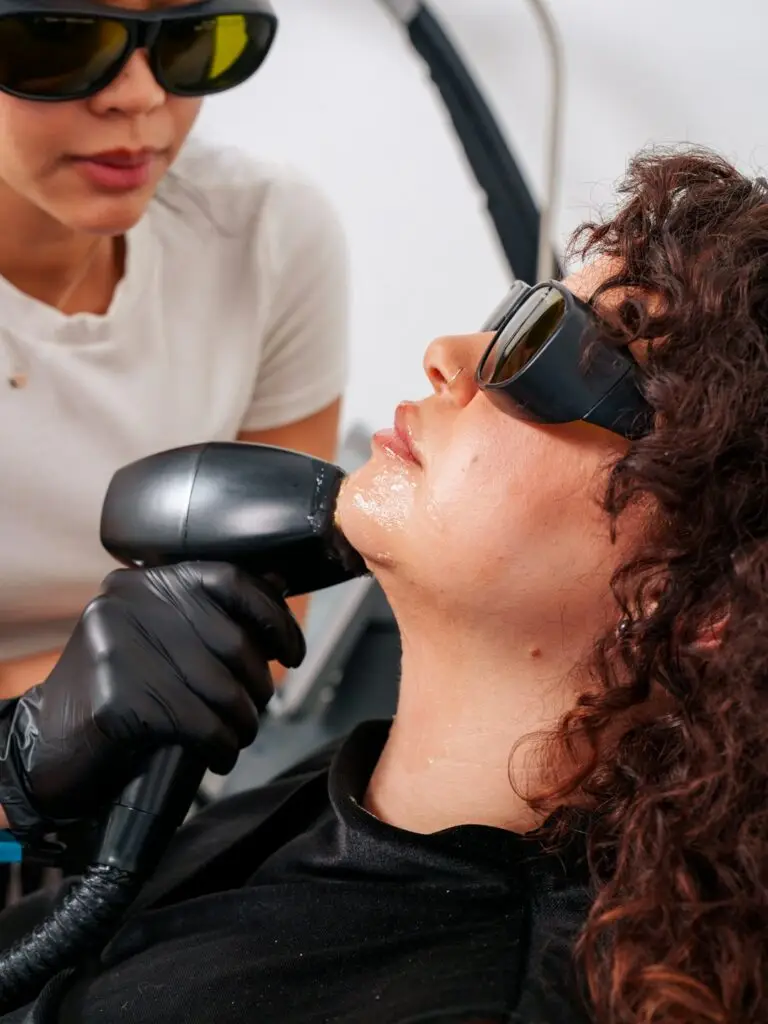
Laser hair removal can be one of the most effective ways to reduce unwanted hair and simplify your daily routine, but the best results depend on more than just showing up for an appointment. From proper skin preparation to thoughtful maintenance between sessions, small habits can make a noticeable difference in how smoothly treatment goes and how long your results last. For anyone considering laser hair removal in Wilmington, Delaware, understanding what to do before, during, and after each visit can help you get the most value from every session.

1. Begin with a Personalized Consultation

The first step toward better results is a professional consultation. Skin tone, hair color, hair thickness, medication use, and even recent sun exposure can all influence how your provider plans treatment. A customized evaluation allows your provider to recommend the right laser settings and the most realistic timeline for hair reduction.

In Wilmington, Delaware, where people often balance busy schedules with changing seasonal sun exposure, a consultation is especially helpful for setting expectations. Your provider can determine whether your skin needs extra preparation or whether you should wait before starting treatment. This early planning helps reduce the risk of irritation while improving the consistency of your results.

2. Prepare Your Skin the Right Way Before Each Session

Healthy, well-prepared skin responds better to laser energy. In the days leading up to your appointment, avoid tanning, self-tanners, and excessive sun exposure. Laser treatments work best when the contrast between the hair and surrounding skin is clear, so minimizing pigmentation changes is important. You should also pause certain exfoliating products or active ingredients, especially if your provider recommends it.

Shaving is usually encouraged before treatment because it leaves the hair shaft below the skin’s surface while allowing the laser to target the follicle more effectively. However, waxing, tweezing, and threading should be avoided, since these methods remove the root the laser needs to target. A calm, clean skin surface helps your provider work with greater precision and comfort.

What to Avoid Before Treatment

Strong retinoids, harsh scrubs, and unprotected sun exposure can all make skin more sensitive. If you have been spending time outdoors in the Wilmington area, especially in brighter months, use broad-spectrum sunscreen consistently and ask your provider whether you should delay treatment. Taking these precautions can help prevent unnecessary redness and support smoother outcomes.

3. Stay Consistent With Your Session Schedule

Laser hair removal is not a one-and-done treatment. Hair grows in cycles, and the laser is most effective during the active growth phase. That means each session builds on the last, and skipping appointments can slow your progress. Sticking closely to your recommended schedule gives the treatment the best chance to reduce hair growth over time.

Your provider will likely space sessions several weeks apart depending on the area being treated and your hair growth pattern. The key is consistency. If you wait too long between visits, more follicles may return to an active growth phase, which can reduce the overall efficiency of the process. Regular appointments help create more predictable, long-lasting improvement.

4. Follow Aftercare Instructions Carefully

What you do after treatment matters almost as much as what you do before it. Skin may feel warm, look pink, or be slightly sensitive for a short time after the session. To protect the area, avoid hot showers, saunas, heavy exercise, and irritating products for the period recommended by your provider. Gentle care allows the skin to recover while the follicle response continues.

Moisturizing with a soothing, fragrance-free product can help calm the skin, and daily sunscreen is essential for any treated area that will be exposed to sunlight. This is especially important in a place like Wilmington, Delaware, where outdoor activities and commutes can expose skin to UV rays even when the weather feels mild. Consistent sun protection helps reduce complications and preserve your progress.

Signs Your Skin Needs Extra Attention

While mild redness is common, prolonged irritation, unusual swelling, or blistering should always be reported to your provider. Prompt communication ensures you get the right guidance and keeps your treatment plan on track. Paying attention to your skin after each session helps you maximize benefits while minimizing setbacks.

5. Don’t Interrupt the Hair Reduction Process

Between sessions, it can be tempting to wax or pluck any hairs that appear, but doing so can interfere with your results. These methods remove the follicle target that laser hair removal needs in order to work effectively. If you need to manage regrowth between appointments, shaving is the safest option because it keeps the follicle intact.

Patience is important here. Some hairs shed gradually after treatment, and it can take multiple sessions before you notice the most dramatic changes. Staying committed to the process, rather than trying to force smoother skin with temporary methods, helps your laser plan work the way it was designed to.

6. Support Your Skin and Hair Reduction Goals Between Visits

Overall skin health can influence how well you tolerate treatment and how confidently you move through your series of sessions. Hydration, gentle skincare, and avoiding unnecessary irritation all support a more comfortable experience. If you have sensitive skin, let your provider know so they can tailor recommendations and adjust treatment as needed.

In some cases, hormonal factors can affect hair growth patterns, which may influence how many sessions you need or whether occasional maintenance treatments are helpful. Discussing your full health history gives your provider a better picture of what to expect and how to adapt your plan for long-term success.

7. Plan for Maintenance When Needed

Many people enjoy a significant reduction in hair growth after completing their initial treatment series, but maintenance sessions may still be useful over time. Hormonal changes, genetics, and age can all play a role in future regrowth. Rather than viewing maintenance as a setback, think of it as a way to preserve the smooth results you have already achieved.

Your provider can help you determine how often touch-ups may be appropriate based on your individual response. This long-term planning is one of the best ways to protect your investment and keep your skin looking and feeling its best. With the right strategy, laser hair removal can remain a low-maintenance part of your self-care routine for years to come.

When you combine smart preparation, consistent scheduling, and careful aftercare, laser hair removal becomes far more effective and rewarding. Whether you are just starting to explore your options or looking to improve your current results, a personalized approach makes all the difference. If you are ready to take the next step in Wilmington, Delaware, book an appointment for customized treatments with our providers and discover a plan designed around your skin, your goals, and your comfort.