Leaking urine during a laugh, a workout, or a quick trip to the grocery store can feel frustrating, embarrassing, and far more common than many people realize. Urinary incontinence affects women at different stages of life, from postpartum changes to the transition through perimenopause and beyond. While the experience is deeply personal, the good news is that help is available, and many women are looking for solutions that feel supportive, discreet, and hormone-free. That is where pelvic floor strengthening and modern intimate wellness treatments can make a meaningful difference.
Understanding the Role of the Pelvic Floor
The pelvic floor is a group of muscles, ligaments, and connective tissues that support the bladder, uterus, and bowel. When these muscles are weak or not coordinating properly, the bladder may not be supported as well as it should be. That can lead to stress incontinence, where leakage happens during coughing, sneezing, lifting, or exercise. For some women, urgency can also be a problem, creating a sudden and intense need to urinate that is difficult to control.
These concerns are not just physical. They can influence what someone wears, where they go, how often they exercise, and how comfortable they feel in social settings. Many women begin adjusting their routines around the fear of leaking, even when the issue could be improved with the right approach. Learning how the pelvic floor works is often the first step toward getting back a sense of ease and control.
Why Pelvic Floor Strengthening Matters
Pelvic floor strengthening is about more than doing a few exercises at home. It is about retraining the muscles that help manage bladder function, core stability, and intimate support. In some cases, women may benefit from guided therapy, targeted wellness technologies, or a customized treatment plan designed to meet their specific symptoms. When the right muscles are activated consistently, the body can regain better support and the bladder can become less reactive to everyday pressure.
More than one size fits all
There is no single approach that works for everyone. Some women need help identifying the correct muscles before they can begin strengthening them effectively. Others may already be familiar with Kegel exercises but are not seeing the improvement they hoped for. In those situations, a professional evaluation can help uncover whether the muscles are too tight, too weak, or simply not coordinating properly. That is why personalized care is so important, especially when the goal is long-term confidence rather than a temporary fix.
Pelvic floor strengthening may also support women who want to stay active without worrying about unexpected leakage. Whether the concern appears during yoga, running, dancing, or simply lifting a child, stronger support can make daily movement feel more natural. Over time, this can translate into greater confidence, fewer interruptions, and a better connection with the body.
Hormone-Free Feminine Wellness Can Be a Comfortable Choice
Not every woman wants a hormone-based solution, and that preference is completely valid. Many people today are seeking hormone-free feminine wellness options that fit their personal comfort level and health goals. For women navigating urinary incontinence, dryness, or general intimate discomfort, non-invasive care can offer a more approachable starting point. This is especially appealing for those who want to avoid medications or are looking for a gentle, minimally disruptive path forward.
Hormone-free approaches can include supportive therapies, bladder education, lifestyle adjustments, and technology-assisted treatments that focus on restoring function rather than masking symptoms. These options are often chosen by women who want practical improvement without a complicated recovery process. They can be especially useful for those who are balancing work, family, and busy schedules and need a solution that fits into real life.
Comfort, privacy, and trust
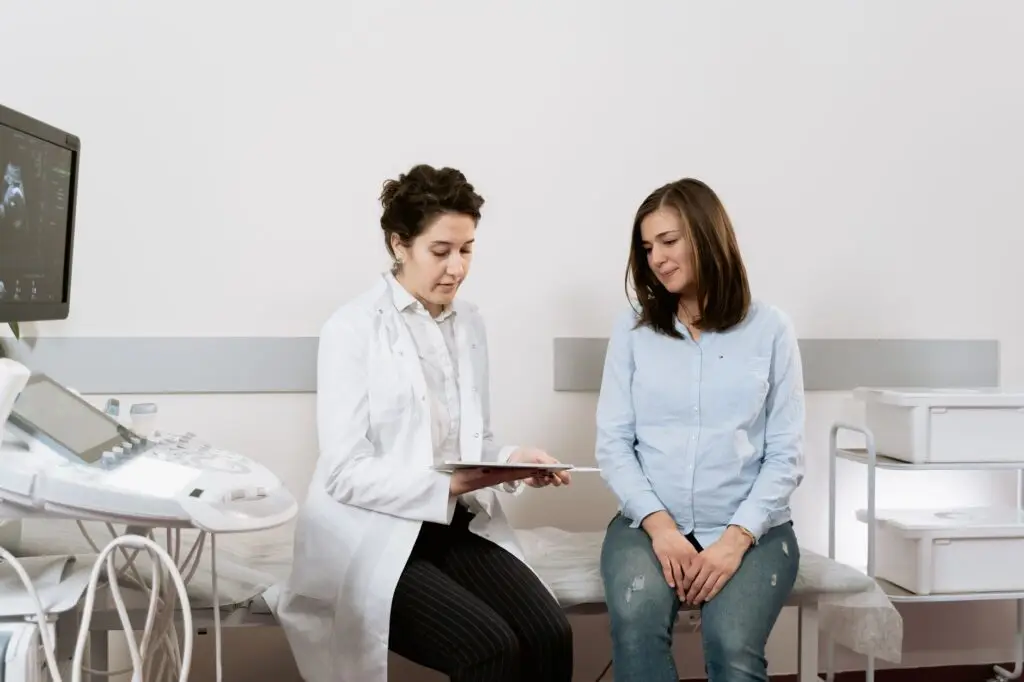
Because intimate concerns can feel sensitive, the experience of care matters just as much as the treatment itself. Women are often looking for a setting where they can speak openly, ask questions, and feel respected from the first conversation. A thoughtful provider will take time to explain options, discuss goals, and build a treatment plan that reflects each patient’s concerns and lifestyle. That level of trust can make the process feel empowering instead of intimidating.
What to Expect from a Customized Treatment Plan
When a woman seeks help for urinary incontinence, the best plan usually starts with an individualized assessment. Understanding the type of leakage, the possible triggers, and any related symptoms helps guide the next steps. From there, a provider may recommend targeted pelvic floor strengthening, education on bladder habits, or other intimate wellness treatments designed to improve support and daily comfort. In many cases, the treatment plan can be adjusted over time as symptoms improve.
It is also helpful to remember that progress may be gradual. Just as the body did not change overnight, recovery and strengthening can take time. Even so, many women notice practical improvements such as fewer leaks, better bladder awareness, and a renewed willingness to move through the day without hesitation. Those small changes can have a surprisingly large impact on self-esteem and quality of life.
For women in Wilmington, Delaware, access to thoughtful care can make it easier to address concerns that once felt too personal to mention. Whether the goal is to reduce leaks, strengthen support, or explore hormone-free feminine wellness options, the right provider can help create a plan that feels realistic and empowering. If you are ready to take the next step, book an appointment with our providers for customized treatments that are tailored to your needs and designed to help you feel more comfortable, confident, and supported.