You catch your reflection—maybe you’re 35, maybe 42—and you notice something subtle. Not deep wrinkles yet, but the way your skin folds when you frown. Those little creases that weren’t there before. You think about if you should start Botox. Then you decide to wait: you’re not ready, it’s too shallow, or you’re unsure it’s worth it.
This isn’t vanity. It’s anatomy. Here’s what preventative Botox actually does, and why timing matters.
How Your Face Changes: Dynamic vs Static Wrinkles
Your skin doesn’t stay still. It changes. The muscles in your face move thousands of times a day. Every time you frown, raise your eyebrows, squint—those muscles contract. When you’re young, your skin bounces back. The collagen and elastin are dense enough that the skin returns to its original position.
By your late twenties, early thirties, that starts to slow down. Your skin still bounces back, but not as quickly. By your forties, the bounce-back is noticeably slower. By your fifties, some of those creases don’t disappear at all. They’re permanent now because the skin lost the elasticity to return.
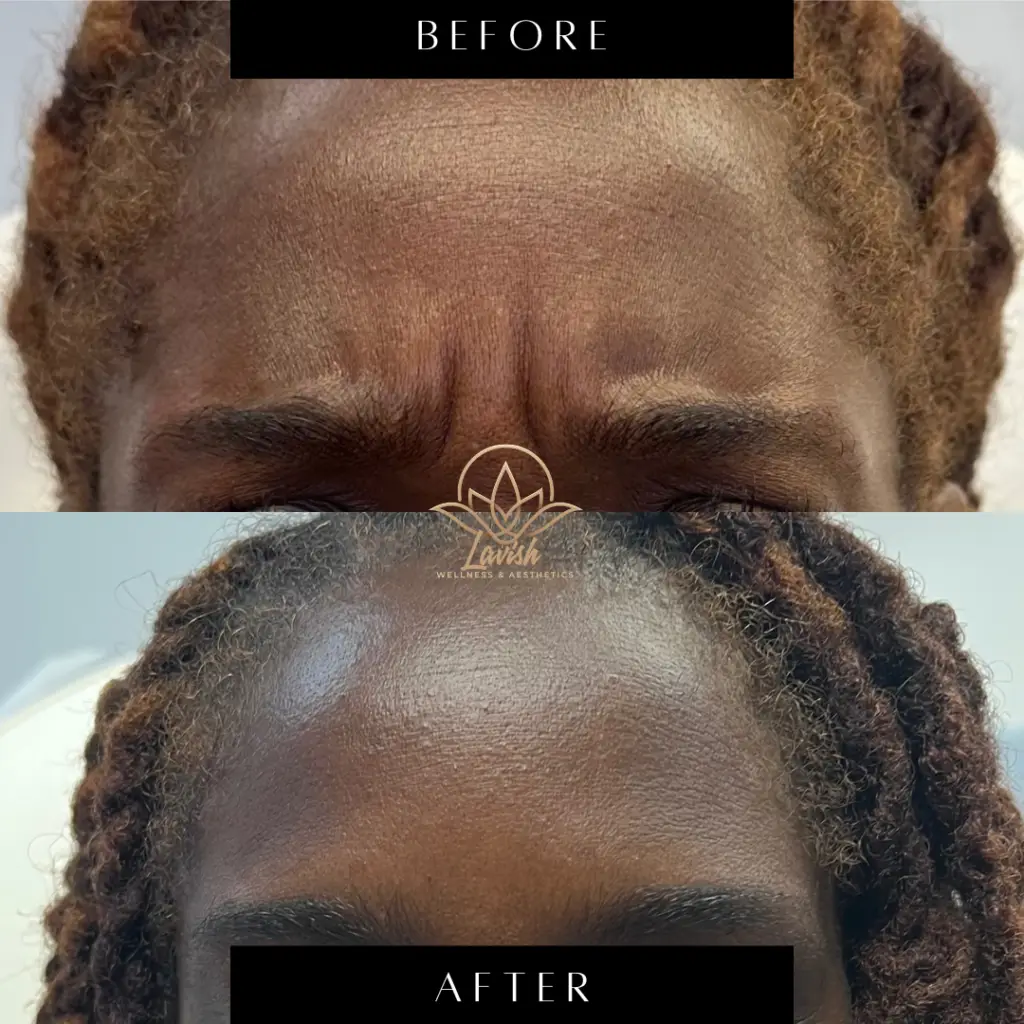
The lines you see in older people? Most of them started as dynamic wrinkles—lines that only showed when you moved. These are expression lines. Frown lines. Forehead creases that appear when you use your face.
Then they became static wrinkles—lines that are there even when your face is at rest. Once they’re static, fixing them requires aggressive treatment. Fillers, lasers, possibly procedures. More cost. More time. More recovery.
This is where preventative Botox changes the equation.
What Preventative Botox Actually Does
Botox targets the muscle action behind dynamic wrinkles. It weakens the muscle enough that your skin doesn’t crease as deeply during everyday expressions. The result isn’t a frozen face; it’s fewer repeated creases. With consistent treatment, those movement-lines have less chance to become permanent.
Start in your mid-thirties to early forties, and you’re interrupting the process before creases set into the skin. You’re preventing damage rather than trying to correct it later.
The Real Math: Starting at 35 vs Waiting Until 50
Example A — start at 35:
Let’s say you’re 35 and you notice your forehead moving more than you’d like. You start preventative Botox. Four units in the forehead, maybe some in the glabella between your eyebrows. You do it every three to four months. Consistently. For the next fifteen years until you’re 50.
What happens? Your forehead doesn’t deepen. The lines you have stay relatively flat because you’re not creating new permanent creases year after year. Your skin maintains. You look refreshed because you look like yourself—just without the heavy movement in your forehead.
Over 10–15 years your forehead avoids deeper creases. Maintenance is predictable: scheduled visits, steady results, subtle and natural-looking. Costs remain consistent because you chose to maintain how you would look.
Example B — wait:
Now let’s say you don’t do anything. You’re 35, you notice it, and you decide to wait. You’re not ready. Or you’re not convinced. Or you just don’t want to deal with it.
By 45, those dynamic wrinkles have become more pronounced. The creases are deeper because you’ve been creating them consistently for a decade without intervention. Now you consider Botox. But you also need dermal fillers in your forehead to soften the static lines. Maybe some laser work. Maybe Morpheus8 for skin tightening. The damage is already there.
By 50, you’re looking at a much more aggressive treatment plan. More product. More frequent maintenance. More money. More complications because you’re trying to reverse instead of prevent.
The person who started Botox maintenance at 35? Consistent cost. Predictable results. Subtle. Natural. They look refreshed.
But you at 45? The effort and cost to reverse long-standing lines is higher.
Why Your Botox schedule and consistency matters
Botox isn’t a one-and-done cosmetic trick. It lasts about three to four months. Skipping a single treatment isn’t catastrophic, but inconsistent use over years—treat, skip, treat again—lets the muscles fall back into habitual contractions and the skin resume forming deeper patterns. True preventative benefit comes from commitment to a regular schedule: every three to four months, predictably.
The difference is biological, not cosmetic theater. Consistent treatments gradually train muscles to contract less strongly, which helps the skin preserve a smoother baseline.
When to Start Botox: The Right Age
There’s no magic age. But there are windows that matter.
If you’re noticing dynamic wrinkles in your thirties—lines that appear when you move your face but disappear at rest—that’s when preventative Botox makes sense. You’re catching them early. You’re preventing them from becoming permanent.
If you’re in your forties and just starting to consider it, that’s fine. You’re still ahead of aggressive correction. You’re still preventing further damage.
There’s no single “right” age, but useful windows:
- Thirties: If lines appear only when you move your face (but fade at rest), consider preventative treatment.
- Forties: Starting still helps—you’re ahead of needing aggressive correction.
- Fifties and beyond: Botox still prevents new dynamic damage, but existing static lines will often require fillers or other modalities in addition to Botox.
Preventative vs Corrective Botox: The Cost Difference
Preventative approach: simpler plan—regular Botox plus good skincare. Lower long-term complexity and typically lower total cost because you avoid later corrective procedures.
Corrective approach: more products (fillers, energy devices), multiple simultaneous treatments, more recovery—all of which add up in time, money, and logistics.
Should You Start Botox?
If you start Botox now – The preventative one, here’s what actually happens:
First treatment: you notice changes within a week, full effect by two. Over the first year of consistent treatments, muscles begin to contract less aggressively and results look more natural. The ongoing commitment—treatment every three to four months—keeps the gains.
This isn’t about whether you should or shouldn’t do Botox. It’s about understanding what happens to your face either way, and making a choice based on that reality instead of based on fear or trends or what someone else is doing.
This isn’t moralizing. It’s information. If you’re seeing movement lines that last longer than they used to, you’re at a decision point: start regular preventative maintenance now and keep the changes gradual and simple, or wait and possibly face more involved corrections later.
Biology is neutral: prevention is easier than reversal. Choose based on what you want your future self to manage—steady upkeep or a catch-up plan.
At Lavish Wellness & Aesthetics in Wilmington, we help you understand which path makes sense for your face and your life. Whether you’re considering preventative Botox maintenance or you’re already noticing deeper lines, we can walk you through what actually works.
Book a consultation. Let’s talk about what actually makes sense for you.