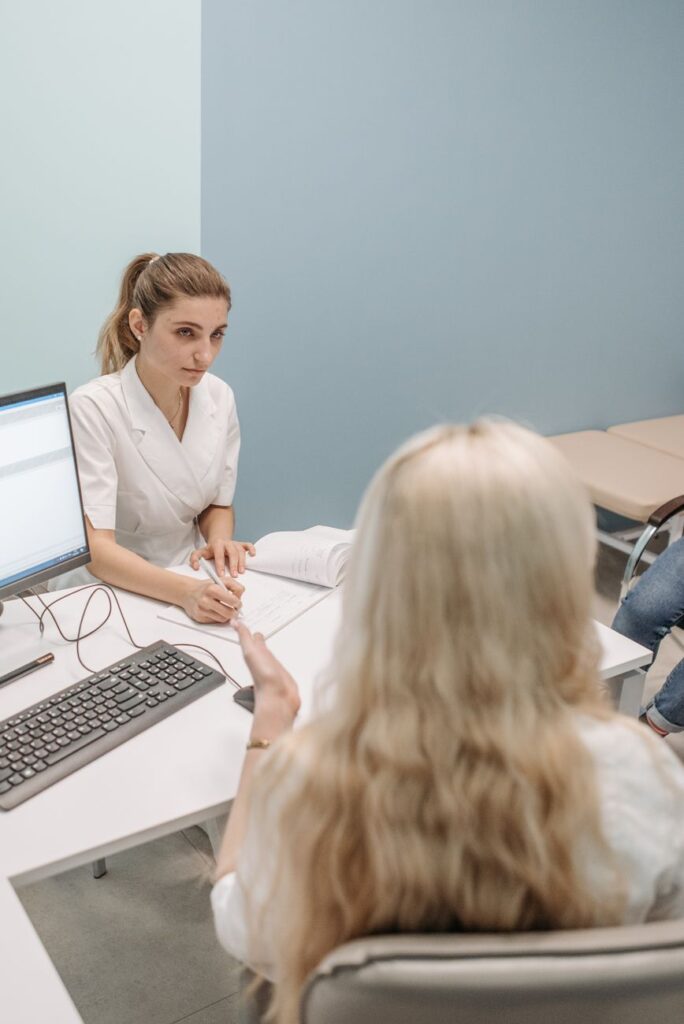
Urinary incontinence can feel frustrating, isolating, and unpredictable, but it is also incredibly common. Many women experience occasional leaks when coughing, laughing, exercising, or feeling a sudden urge to urinate. While it may be easy to dismiss these symptoms as a normal part of aging or motherhood, bladder leakage is often a sign that the muscles and tissues supporting the bladder need more attention. The good news is that there are effective, non-invasive ways to improve comfort, confidence, and control.
Why Bladder Control Changes Over Time
The pelvic floor is a group of muscles, ligaments, and connective tissues that help support the bladder, uterus, and bowel. When these muscles become weakened, stretched, or poorly coordinated, they may not provide enough support during daily activities. Childbirth, hormonal changes, chronic constipation, high-impact exercise, and aging can all contribute to urinary incontinence. For many women, symptoms become more noticeable during menopause, when declining estrogen can also affect tissue health and bladder sensitivity.
Understanding what is happening beneath the surface can be empowering. Urinary leakage is not simply a cosmetic inconvenience or something you must quietly accept. It is a functional concern that can often be improved with targeted care. In many cases, combining pelvic floor strengthening with other hormone-free feminine wellness strategies can make a meaningful difference in day-to-day life.
How Pelvic Floor Strengthening Supports Feminine Wellness
Pelvic floor strengthening focuses on improving the muscles that help control urination and support the organs in the pelvis. When these muscles are trained correctly, they can better respond to pressure, stabilize the core, and reduce the likelihood of leaks. This is especially important for women who notice symptoms during movement, exercise, or sudden increases in abdominal pressure.
What stronger pelvic floor muscles can help with
A well-supported pelvic floor may improve stress incontinence, reduce urgency episodes, and increase confidence in physical activity. Many women also report better body awareness and improved posture. While results vary, consistency and proper technique are key. Gentle, personalized treatment plans often work better than one-size-fits-all advice, especially when symptoms are linked to multiple factors.
Why technique matters
Not all pelvic floor exercises are performed correctly on the first try. Some women accidentally tighten their abdomen, glutes, or thighs instead of isolating the pelvic floor. Others may overtrain muscles that are already tense rather than weak. That is why guidance from a knowledgeable provider can be so helpful. A personalized plan can help determine whether your muscles need strengthening, relaxation, coordination, or a combination of all three.
A Hormone-free Approach to Comfort and Confidence
Not every woman wants or can use hormone-based treatments, and that is where hormone-free feminine wellness options can play an important role. Supportive therapies may include pelvic floor retraining, lifestyle coaching, bladder habit education, and non-invasive technologies designed to improve tissue health and function without surgery or hormones. These approaches can be especially appealing for women seeking gradual, natural-feeling improvements.
Hormone-free care is not about doing less; it is about choosing the right tools for your body and your goals. Some women want help with leakage during workouts. Others want to stop planning their day around restroom access. Still others are looking for a broader sense of comfort and vitality in their intimate wellness routine. A thoughtful treatment plan can address these concerns in a way that feels practical and sustainable.
Everyday Habits That Can Reduce Leakage
Small lifestyle changes can support pelvic floor health and reinforce treatment results. Hydration matters, but so does avoiding excessive bladder irritants like caffeine and alcohol if they worsen symptoms. Constipation can increase pressure on the pelvic floor, so fiber-rich foods and regular bowel habits are also important. Maintaining a healthy weight, practicing proper breathing during exercise, and avoiding repeated straining can all help reduce stress on the bladder.
Timing also matters. Many women benefit from bladder training techniques that help them gradually extend the time between bathroom visits. This can calm urgency symptoms and improve confidence. In some cases, tracking leaks, fluid intake, and symptom triggers can reveal patterns that make treatment more effective. These simple observations often give both patients and providers a clearer roadmap for progress.
When to Seek Professional Support
If urinary incontinence is affecting your sleep, exercise routine, workday, or self-esteem, it may be time to speak with a specialist. You do not need to wait until symptoms become severe. Early support can prevent frustration and help you regain control sooner. A consultation may include a discussion of your medical history, symptom patterns, pelvic floor function, and treatment preferences.
In a supportive clinical setting, care can be customized to your needs. Some women improve with guided pelvic floor strengthening alone. Others benefit from a combination of therapies that address bladder habits, tissue changes, and muscle coordination. The goal is not simply to reduce leakage, but to help you feel more comfortable and confident in your own body.
Reclaiming Confidence One Step at a Time
Urinary incontinence does not have to define your routine or limit the activities you enjoy. With the right care, it is possible to strengthen support where your body needs it most and create a plan that fits your lifestyle. Whether your symptoms are mild or more disruptive, a gentle and personalized approach can help you move forward with greater ease, comfort, and peace of mind. Book an appointment for customized treatments with our providers and take the next step toward lasting feminine wellness.