pelvic floor strengthening

Finding Relief from Vaginal Dryness
Finding Relief from Vaginal Dryness

Vaginal dryness is a common but often unspoken concern that can affect comfort, confidence, and intimacy at any stage of life. While many people associate it with menopause, it can also appear after childbirth, during breastfeeding, with certain medications, or during times of stress. The good news is that there are more options than ever for women looking for hormone-free feminine wellness support that feels personal, respectful, and effective.

Understanding Why Vaginal Dryness Happens

Changes in estrogen are one of the most common reasons vaginal tissues become dry or sensitive. When estrogen levels shift, the delicate tissue in the vaginal area can become thinner, less elastic, and more easily irritated. The natural balance of moisture and pH can also change, which may lead to discomfort during intimacy, itching, burning, or a sense of rawness. For some women, symptoms start gradually and become more noticeable over time, while for others they appear suddenly and create immediate concern.

Dryness Is Not Just a Comfort Issue

When the vaginal tissues are dry or irritated, it can influence more than physical sensation. Many women begin to avoid intimacy because of pain, which can create emotional stress and strain in relationships. Others notice that exercise, biking, or even long periods of sitting feel uncomfortable. In some cases, dryness can coexist with urinary urgency or irritation, making the issue feel even more disruptive and difficult to ignore.

Why Hormone-Free Feminine Wellness Appeals to Many Women

Hormone therapy is an important option for some patients, but it is not the right fit for everyone. Women who want to avoid hormones because of personal preference, a history of hormone-sensitive conditions, or sensitivity to certain treatments may look for alternatives. Hormone-free feminine wellness focuses on supporting the body gently, with treatments designed to restore comfort without forcing a one-size-fits-all solution.

Support That Respects Your Goals

A thoughtful care plan may include recommendations that improve hydration, reduce irritation, and support healthy tissue function. Depending on individual needs, providers may suggest medical-grade moisturizers, soothing topical products, lifestyle guidance, or in-office procedures that are non-invasive and tailored to the patient. The goal is not only to address dryness, but also to help a woman feel more at ease in her body again.

How Intimate Wellness Treatments Can Help

Intimate wellness treatments are designed to address concerns that are often left out of routine conversations about health. Instead of waiting until symptoms become severe, women can explore options earlier and learn what might help them feel better. These treatments may support moisture, comfort, sensitivity, and overall tissue health. For many women, the benefit is as much about confidence as it is about physical relief.

What a Personalized Visit May Include

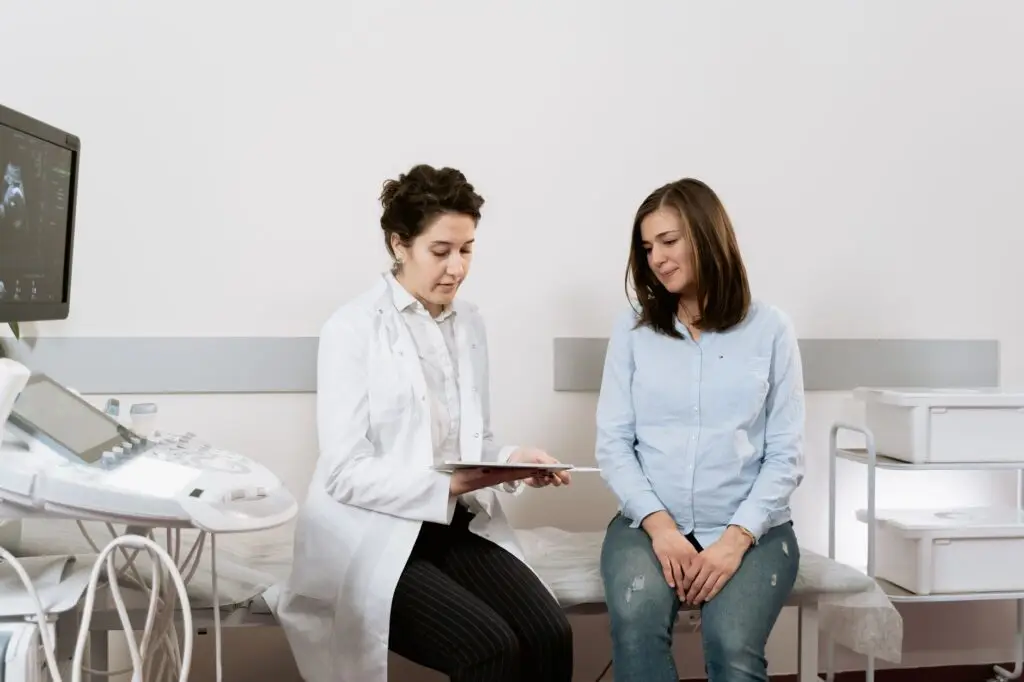
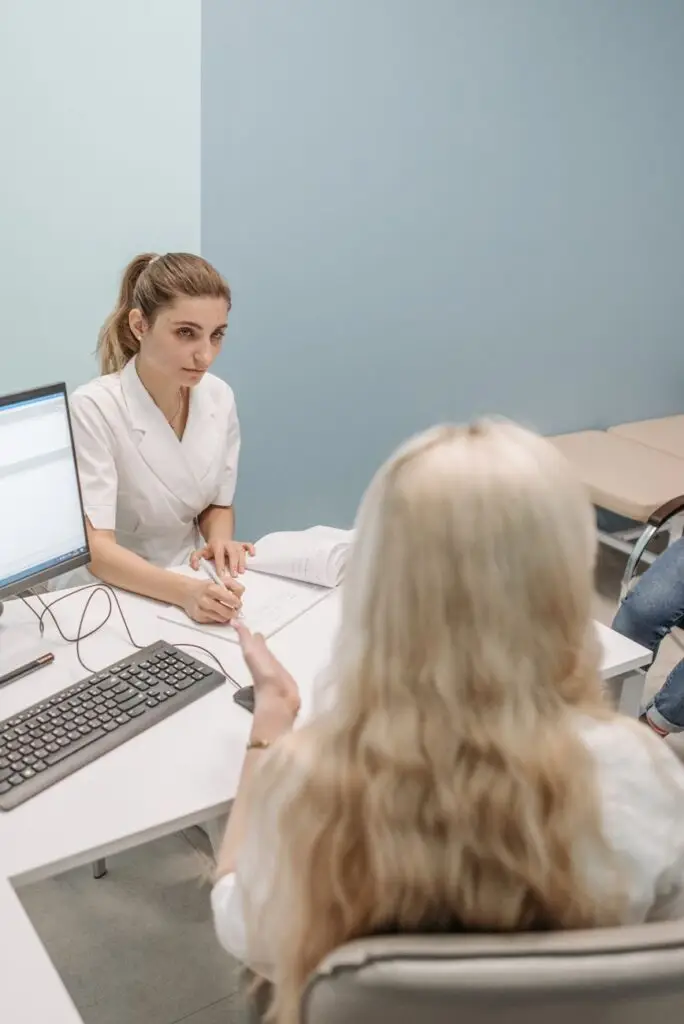
A quality consultation begins with a conversation. A provider will ask about symptoms, medical history, birth experiences, hormone changes, intimacy concerns, and any discomfort with urination or exercise. From there, a customized plan can be created. That plan may combine in-office therapies with at-home strategies so the approach is manageable, realistic, and aligned with your comfort level.

The Connection Between Pelvic Floor Strengthening and Intimate Comfort

Pelvic floor strengthening is often discussed in relation to bladder control, but it can also play a role in intimate wellness. The pelvic floor muscles support the bladder, uterus, and rectum, and they influence how the body feels during movement, intimacy, and daily activities. When these muscles are weak, tight, or out of balance, discomfort can increase. When they are properly supported, women may notice improved control, less strain, and better overall body awareness.

A Holistic Approach Works Best

Dryness rarely exists in isolation. Some women are also coping with pelvic tension, urinary leakage, or reduced sensation. That is why the most effective care plans look at the bigger picture. A treatment plan may combine vaginal care, pelvic floor strengthening guidance, and symptom management strategies so the body can heal and function more comfortably. This type of integrated care can feel especially empowering because it treats the whole person, not just one symptom.

Simple Habits That Support Daily Comfort

Even with professional care, everyday habits matter. Staying hydrated, using gentle unscented products, and avoiding harsh soaps can help reduce irritation. Many women also benefit from being mindful of clothing choices, choosing breathable fabrics, and paying attention to activities that seem to trigger discomfort. If intimacy is painful, open communication and a slower pace can reduce anxiety and help rebuild confidence over time.

Why You Should Not Ignore Ongoing Symptoms

If vaginal dryness is persistent, worsening, or affecting your relationships and quality of life, it deserves attention. There is no reason to accept pain, irritation, or embarrassment as simply part of getting older. Modern intimate wellness treatments offer discreet, customized support that can help you feel more comfortable and informed about your options.

If you are in Wilmington, Delaware and want a more comfortable, personalized path forward, our providers are here to help with customized treatments designed around your needs, goals, and preferences. Book an appointment today to explore hormone-free feminine wellness options and discover a care plan that supports lasting comfort, confidence, and everyday ease.


A Gentle Path to Better Bladder Control and Confidence

A Gentle Path to Better Bladder Control and Confidence

Unexpected leaks can affect more than your schedule. They can influence how you dress, where you go, how long you stay, and how confident you feel in your own body. For many women, urinary incontinence is not just a practical issue; it is an everyday concern that can quietly shape routines and limit freedom. The encouraging news is that modern feminine wellness care offers thoughtful, non-surgical ways to support bladder control, comfort, and confidence without putting life on hold.

Understanding Why Leaks Happen

Urinary incontinence can show up in different ways, from a small leak when you cough or laugh to a sudden urge that feels difficult to control. It may be more noticeable after pregnancy, during menopause, or as the pelvic floor naturally changes over time. Factors such as chronic coughing, high-impact exercise, extra pressure on the bladder, and hormonal shifts can all play a role. While the experience is common, it is never something you have to simply accept as your new normal.

Because the causes vary, the most effective care often begins with a personalized evaluation. A one-size-fits-all approach rarely works when the body and symptoms are unique. At a women-focused practice, the goal is to understand what is contributing to the leakage and which non-invasive options may offer the most benefit.

How Pelvic Floor Strengthening Supports Daily Confidence

The pelvic floor is a group of muscles that acts like a supportive hammock for the bladder, uterus, and bowel. When these muscles are weak or not coordinating well, the bladder can become harder to control. Pelvic floor strengthening can help restore support, improve muscle awareness, and reduce the frequency of unwanted leaks.

Some women begin with guided at-home exercises, while others benefit from in-office therapies designed to help activate and retrain the pelvic floor more effectively. The right plan depends on your symptoms, comfort level, and goals. A skilled provider can help you learn how to engage the right muscles, avoid compensating with the abdomen or glutes, and build strength in a way that feels manageable and sustainable.

When Strengthening Is Not Enough on Its Own

For some people, exercise alone may not fully address the issue. In those cases, additional intimate wellness treatments may be considered to complement pelvic floor work. These options can be especially helpful for women who want a hormone-free feminine wellness solution or who prefer a non-invasive path. Rather than focusing only on symptoms, treatment plans can support the broader tissue environment, muscle function, and overall comfort of the intimate area.

Exploring Hormone-Free Feminine Wellness Options

Hormone-free feminine wellness has become an important option for women who want relief without estrogen-based therapies. This can matter for individuals who cannot use hormones, do not want them, or are simply looking for alternatives that fit their preferences. Depending on your needs, a provider may recommend services that support tissue health, sensation, tone, and pelvic support while staying aligned with a non-hormonal approach.

These treatments are often chosen by women navigating changes related to aging, childbirth, or menopause. They can also appeal to those who are interested in maintaining intimate wellness proactively rather than waiting until symptoms become disruptive. The best part is that these solutions are typically designed to fit into a busy lifestyle, with minimal downtime and a focus on comfort.

What to Expect at a Personalized Visit

A consultation usually begins with a conversation about your concerns, health history, and goals. You may talk about when leaks happen, whether you also notice pressure, dryness, or reduced comfort, and what you hope to improve. From there, your provider can discuss appropriate recommendations and explain how each option works. This collaborative process helps ensure that treatment feels practical, respectful, and tailored to your body.

Why Intimate Wellness Is About More Than Symptoms

Women often wait a long time before asking for help because they assume urinary incontinence is simply part of aging or recovery after childbirth. In reality, there are effective ways to address it, and seeking care can lead to meaningful improvements in daily life. Better bladder control may make it easier to exercise, travel, attend social events, and wear the clothing you want without constant worry.

Intimate wellness treatments can also support emotional well-being. When physical discomfort or unpredictability decreases, many women report feeling more like themselves again. That confidence can affect intimacy, movement, and even the simple act of leaving the house without planning around the nearest restroom. Taking action is not about vanity; it is about comfort, function, and quality of life.

Choosing Care That Fits Your Life

If you live in Wilmington, Delaware, and you have been looking for compassionate care that addresses urinary incontinence and pelvic floor strengthening, choosing a provider who understands women’s health makes a real difference. The right team will listen carefully, explain your options clearly, and help you decide on a plan that matches your goals, whether you are seeking a non-invasive labiaplasty alternative, hormone-free feminine wellness support, or simply a better way to manage daily leaks.

Small changes can create a major shift in how you move through the day. With the right support, you can strengthen from within, reduce worry, and feel more in control of your body again. If you are ready to explore customized treatments, book an appointment with our providers in Wilmington, Delaware today and take the next step toward a more comfortable, confident routine.

Supporting Comfort and Confidence with Hormone-Free Feminine Wellness

Supporting Comfort and Confidence with Hormone-Free Feminine Wellness

For many women, intimate changes arrive quietly. What once felt normal may begin to feel dry, irritated, or uncomfortable during daily activities and intimacy. Vaginal atrophy and dryness are common concerns, especially during perimenopause and menopause, but they can also happen after childbirth, with certain medications, or as a result of other hormonal shifts. The good news is that there are effective, compassionate ways to support comfort without relying on hormones.

Hormone-free feminine wellness focuses on restoring comfort, improving tissue health, and helping women feel more like themselves again. Rather than treating these concerns as something to simply endure, modern intimate wellness treatments are designed to address symptoms in a thoughtful, personalized way. For women in Wilmington, Delaware, this approach can open the door to relief that feels practical, private, and empowering.

Understanding Vaginal Atrophy and Dryness

Vaginal atrophy refers to the thinning, drying, and inflammation of vaginal tissues, often linked to declining estrogen levels. While the term may sound clinical, the experience is very real. Women may notice burning, itching, recurring irritation, discomfort with intercourse, or a feeling of fragility in intimate tissues. Everyday activities can become less comfortable, and confidence may take a hit.

Dryness is often one of the first symptoms women notice. It can lead to discomfort during exercise, a greater sensitivity to products like soaps or detergents, and pain during intimacy. These changes can affect not only physical comfort but also emotional well-being, relationships, and self-esteem. Recognizing the signs early is an important step toward getting help.

Why Hormone-Free Options Matter

Some women prefer to avoid hormone-based therapies because of personal preference, medical history, or concerns about side effects. Hormone-free feminine wellness offers an alternative path that can still make a meaningful difference. These therapies are often designed to encourage tissue support, improve hydration, and restore a healthier sense of balance in the intimate area without introducing hormones into the body.

Many women appreciate that hormone-free treatments can be integrated into a broader wellness plan. Rather than focusing on one symptom in isolation, providers can look at the full picture, including dryness, sensitivity, pelvic discomfort, and lifestyle factors that influence comfort. This more complete approach helps create care that feels tailored instead of generic.

How Intimate Wellness Treatments Can Help

Intimate wellness treatments may include advanced technologies and restorative therapies that support tissue rejuvenation and improve overall comfort. Depending on the individual, treatment plans may be aimed at increasing hydration, supporting elasticity, easing irritation, or helping the body respond more comfortably to everyday friction and intimacy.

These treatments are not one-size-fits-all. A provider may discuss symptom patterns, goals, and medical history before recommending a plan. For some women, the focus may be improving dryness and sensitivity. For others, it may be rebuilding confidence after major life changes such as childbirth or menopause. The right treatment approach can help women feel informed, supported, and in control of their choices.

The Value of a Personalized Consultation

A consultation is often the best place to start. It allows a provider to listen carefully, understand what symptoms are affecting daily life, and determine which intimate wellness treatments may be most appropriate. This is especially important because intimate health concerns are personal, and what works for one woman may not be ideal for another.

During a consultation, women can ask questions about the process, expected results, recovery time, and how treatments fit into a larger wellness plan. That open conversation helps replace uncertainty with clarity. It also gives women the opportunity to choose care that aligns with their preferences, comfort level, and goals.

Where Pelvic Floor Strengthening Fits In

Pelvic floor strengthening is another important part of feminine wellness. The pelvic floor muscles support the bladder, uterus, and bowel, and they play a major role in core stability, continence, and sexual function. When these muscles are weak or not functioning optimally, women may notice urinary leakage, pelvic pressure, or reduced intimate comfort.

Although pelvic floor strengthening is not a direct treatment for vaginal dryness, it can complement other feminine wellness care by improving support and body awareness. In some cases, strengthening exercises or pelvic floor therapy may help women feel more stable and confident as they address intimate health concerns. A well-rounded approach often leads to better overall results.

For women dealing with both dryness and pelvic floor issues, combining therapies can be especially helpful. A provider may recommend a plan that supports tissue health while also encouraging better muscle function and bladder control. That kind of integrated care can make a real difference in day-to-day quality of life.

What to Expect from Modern Care

Modern feminine wellness care is built around discretion, comfort, and results. Appointments are typically designed to be respectful and efficient, with a focus on helping women understand their options without pressure. Whether the concern is dryness, discomfort, or a desire to improve intimate wellness overall, the goal is to create a supportive path forward.

Women often feel relieved to learn that they do not have to accept discomfort as unavoidable. There are treatments available that may help restore confidence and improve daily comfort without hormones. That sense of possibility is often the first step toward meaningful change.

If vaginal atrophy and dryness have started to affect your comfort, your confidence, or your intimate well-being, you deserve care that listens and responds to your needs. Women in Wilmington, Delaware can take the next step with customized, hormone-free feminine wellness options designed around their goals. Book an appointment with our providers to explore intimate wellness treatments and personalized support that can help you feel more comfortable, more informed, and more at ease in your own body.

Hormone-Free Relief for Vaginal Dryness and Comfort

Hormone-Free Relief for Vaginal Dryness and Comfort

Vaginal dryness and vaginal atrophy can affect far more than physical comfort. They can influence confidence, intimacy, daily movement, and even the way a woman feels in her own body. While these concerns are often associated with menopause, they can also appear during perimenopause, after childbirth, while breastfeeding, or as a result of certain medications and health changes. For many women, hormone-free feminine wellness offers a thoughtful path toward relief that feels gentle, personal, and empowering.

Understanding Vaginal Atrophy and Dryness

Vaginal atrophy occurs when tissues in the vaginal area become thinner, less elastic, and more sensitive due to lower estrogen levels or other hormonal shifts. Dryness may show up as itching, burning, discomfort during intimacy, or a general feeling of irritation that seems to linger throughout the day. These symptoms can make simple activities uncomfortable, from sitting for long periods to exercising or wearing certain fabrics. Because the changes are often gradual, many women dismiss them for too long before seeking care.

What makes these symptoms especially frustrating is that they are common but still deeply personal. Every woman experiences them differently. Some notice mild dryness only occasionally, while others deal with ongoing discomfort that affects sleep, relationships, or self-image. Understanding what is happening in the body is the first step toward choosing care that matches both your symptoms and your comfort level.

Why Hormone-Free Feminine Wellness Appeals to Many Women

Not every woman wants or can use hormone-based treatment, and that is where hormone-free feminine wellness can make a meaningful difference. Some women prefer a non-hormonal approach because of personal values, medical history, a sensitivity to certain products, or a desire to begin with the least invasive option available. The good news is that today’s intimate wellness treatments offer a range of supportive options designed to help restore comfort without forcing a one-size-fits-all solution.

Hormone-free care is often centered on education, tissue support, hydration, and overall pelvic health. Depending on your goals, a provider may discuss vaginal moisturizers, soothing topical products, lifestyle adjustments, or advanced non-invasive therapies that support tissue quality and comfort. A customized approach matters because dryness and atrophy are not just surface concerns; they are part of a larger wellness picture that can involve circulation, tissue health, muscle function, and daily habits.

What a Personalized Plan May Include

A thoughtful treatment plan may begin with a conversation about your symptoms, medical history, and what you hope to improve. If intimacy is painful, that may be a priority. If discomfort during exercise or daily movement is the main issue, the plan may focus differently. The goal is to match care to your real-life needs instead of treating symptoms in isolation.

In many cases, women also benefit from education on how to support vaginal and pelvic tissue health between visits. That can include choosing the right cleansers, avoiding irritating products, and building healthy routines that protect sensitive tissue rather than stripping it further.

The Role of Pelvic Floor Strengthening

Pelvic floor strengthening is another important part of feminine wellness because the pelvic floor supports the bladder, uterus, bowel, and vaginal tissues. When these muscles are weak, overworked, or uncoordinated, they can contribute to symptoms that overlap with dryness and discomfort. Stronger, better-functioning pelvic floor muscles can support better control, improved stability, and a stronger sense of awareness in the lower body.

For some women, pelvic floor strengthening may also support confidence during intimacy and improve how the body responds to movement and everyday pressure. It is not about doing endless repetitions on your own and hoping for the best. Professional guidance can help you understand whether your muscles need strengthening, relaxation, or a combination of both. That distinction matters, especially when symptoms are tied to tension, pain, or compensatory habits.

Small Habits That Support Progress

Simple, consistent habits often make the biggest difference. Deep breathing, posture awareness, hydration, and avoiding harsh products can all support tissue comfort. Guided pelvic floor exercises may be helpful, but they are most effective when they are tailored to your needs rather than copied from a generic routine. A wellness provider can help you build a plan that fits into real life and feels sustainable over time.

What to Expect from Intimate Wellness Treatments

When women seek intimate wellness treatments, they are often looking for more than symptom relief. They want privacy, respect, clarity, and a provider who listens. A good consultation should feel comfortable and unrushed. You should have space to talk openly about dryness, irritation, pain, or changes in sensation without feeling embarrassed or dismissed. In a supportive setting, your provider can explain options, discuss potential benefits, and help you understand what results may realistically look like.

In Wilmington, Delaware, women have access to care that can be both professional and discreet. That local convenience matters, especially when symptoms affect your day-to-day comfort and you want a trusted team close to home. Whether you are exploring hormone-free feminine wellness for the first time or looking for a better plan after trying products that did not help enough, the right clinic can help you move forward with confidence.

Questions Worth Asking at Your Consultation

It helps to arrive with a few questions in mind. Ask which options are hormone-free, what kind of improvement you may notice, whether there is downtime, and how the treatment plan supports long-term comfort. You can also ask about pelvic floor strengthening, intimacy-related concerns, and whether the provider recommends a combination approach for the best result. The more clearly you share your goals, the better your care team can personalize the experience.

Dryness and vaginal atrophy do not have to be accepted as an unavoidable part of life. With the right support, many women find relief that restores comfort, confidence, and ease in everyday routines. If you are ready to explore hormone-free feminine wellness and intimate wellness treatments in Wilmington, Delaware, book an appointment with our providers for customized treatments that fit your needs and help you feel like yourself again.

Reclaim Comfort and Confidence with Pelvic Floor Care

Reclaim Comfort and Confidence with Pelvic Floor Care

Bladder leaks can feel frustrating, embarrassing, and surprisingly isolating, but they are also incredibly common. For many women, urinary incontinence shows up during everyday moments: laughing with friends, exercising, sneezing, or simply trying to get through a busy day without planning every bathroom stop. The good news is that you do not have to accept these changes as your new normal. With the right support, it is possible to improve bladder control, strengthen the muscles that matter most, and feel more comfortable in your body again.

Understanding Why Leakage Happens

Urinary incontinence can have many causes, including pregnancy, childbirth, menopause, chronic stress on the pelvic floor, weight changes, and age-related tissue changes. Sometimes the issue is not just the bladder itself, but the support system around it. The pelvic floor acts like a hammock for the bladder, uterus, and bowel, helping these organs stay in place and function well. When those muscles become weak or uncoordinated, small leaks can happen more easily.

Hormonal shifts can also contribute to changes in vaginal and urinary tissue health. In some women, lower estrogen levels may affect the comfort and resilience of intimate tissue, making symptoms feel more noticeable. That is why many women look for hormone-free feminine wellness options that focus on support, strengthening, and comfort without adding medications or hormones they may not want.

How Pelvic Floor Strengthening Supports Daily Life

Pelvic floor strengthening is one of the most effective ways to support bladder control and improve confidence. These muscles work constantly, yet many people do not realize how important they are until symptoms appear. A targeted pelvic floor program can help improve muscle tone, coordination, and endurance so the body is better prepared for pressure changes during movement, exercise, or sudden actions like coughing and laughing.

Benefits Beyond Bladder Control

While many women seek help for leakage, pelvic floor care often supports more than one concern at a time. Better muscle function may contribute to improved core stability, greater awareness of the pelvic region, and a stronger sense of control during daily activities. For some women, treatment also helps them feel more connected to their bodies after childbirth or during perimenopause and menopause, when changes can be especially noticeable.

Modern wellness approaches make it easier to address these concerns in a way that fits real life. Instead of relying on one-size-fits-all advice, customized care can match the cause and pattern of symptoms. That may include education, strengthening support, and non-invasive treatments designed to help restore function without downtime.

A Hormone-Free Approach to Feminine Wellness

Many women want solutions that are gentle, practical, and non-hormonal. Hormone-free feminine wellness focuses on comfort, confidence, and tissue health using treatments that work with the body’s natural healing processes. This approach can be especially appealing for women who are sensitive to medications, prefer to avoid hormones, or are looking for a more natural path to relief.

In a comfortable clinical setting, providers can evaluate symptoms and suggest personalized care based on individual needs. That might mean combining pelvic floor strengthening with other intimate wellness treatments to support better function and a better quality of life. The goal is not simply to mask symptoms, but to help women feel more in control, more informed, and more comfortable in everyday routines.

What to Expect During a Personalized Consultation

A consultation is usually the first step toward understanding what is really going on. You can talk openly about symptoms such as leakage, urgency, pressure, or discomfort without judgment. Your provider can then help identify whether the issue is related to muscle weakness, tissue changes, lifestyle factors, or a combination of concerns. From there, a customized treatment plan can be created to match your goals and comfort level.

That individualized approach matters because no two bodies are the same. A treatment plan for a woman who leaks only during workouts may look different from one for someone dealing with symptoms after childbirth or during menopause. Personalized care helps ensure that the support you receive is practical, appropriate, and focused on the outcome you want most: feeling like yourself again.

When to Seek Help

If bladder leaks are affecting your confidence, workouts, social life, or sleep, it is worth having a conversation with a qualified provider. Urinary incontinence is common, but that does not mean you need to live with it. Early support can make a meaningful difference, especially when symptoms are just beginning or still mild. The sooner you address the problem, the more options you may have for improvement.

Women in Wilmington, Delaware, who are exploring pelvic floor strengthening or hormone-free feminine wellness services can benefit from a compassionate team that understands intimate health concerns and offers solutions tailored to real life. Whether your goal is fewer leaks, stronger support, or a more comfortable daily routine, the right care can help you move forward with confidence and ease. Book an appointment with our providers today for customized treatments designed around your needs, and take the next step toward better bladder control and lasting comfort.

Relief and Confidence Through Hormone-Free Intimate Wellness

Relief and Confidence Through Hormone-Free Intimate Wellness

Vaginal dryness and discomfort are common concerns, yet many people still feel unsure about how to talk about them. Whether the changes come from menopause, childbirth, breastfeeding, stress, or other hormonal shifts, these symptoms can affect comfort, intimacy, and overall confidence. The good news is that support is available, and it does not always have to involve hormones. Today’s hormone-free feminine wellness options are helping more women find relief in ways that feel safe, personalized, and aligned with their preferences.

Why Vaginal Dryness Happens

Vaginal dryness is often linked to a decline in estrogen, but it is not limited to menopause. It can also occur during postpartum recovery, while nursing, after certain medications, or during periods of high stress. When the body’s natural lubrication decreases, the tissue can become more delicate and less flexible, which may lead to itching, burning, discomfort during intimacy, or irritation from clothing and movement.

Because these symptoms can develop gradually, many women adapt without realizing how much their quality of life has changed. They may avoid exercise, intimacy, or even daily routines because of the discomfort. Recognizing the signs early makes it easier to choose treatments that support long-term comfort and confidence.

How Hormone-Free Feminine Wellness Can Help

For women who want to avoid hormones, hormone-free feminine wellness treatments offer a valuable path forward. These therapies focus on restoring comfort, supporting tissue health, and improving the function of intimate areas without relying on estrogen-based products. Depending on the individual’s needs, treatment plans may include soothing therapies, hydration support, regenerative options, or technology-based approaches designed to promote healthier tissue.

One of the main advantages of hormone-free care is that it can be tailored to the person’s body, symptoms, and goals. This makes it especially appealing for patients who have medical reasons to avoid hormones or who simply prefer a non-hormonal route. In many cases, the goal is not only symptom relief, but also helping women feel more in control of their bodies again.

What to Expect During a Consultation

A thoughtful consultation is the first step in finding the right solution. During an intimate wellness assessment, a provider may ask about symptoms, lifestyle factors, medical history, and the situations that feel most difficult, such as intimacy, exercise, or day-to-day irritation. This conversation helps create a treatment plan that feels realistic and supportive rather than overwhelming.

Many women are relieved to learn that these concerns are common and treatable. A private, judgment-free environment allows patients to speak openly about what they are experiencing and what they hope to improve. That sense of trust is often just as important as the treatment itself.

The Role of Pelvic Floor Strengthening

Although vaginal dryness and pelvic floor weakness are different issues, they often overlap. The pelvic floor supports the bladder, uterus, and bowel, and when those muscles are weak or uncoordinated, women may notice leakage, pressure, or reduced support during movement and intimacy. Pelvic floor strengthening can therefore be an important part of a broader intimate wellness plan.

Strengthening the pelvic floor may improve bladder control, core stability, and body awareness. It can also help women feel more connected to their bodies after pregnancy, surgery, or aging-related changes. For some patients, a combination of pelvic floor support and hormone-free feminine wellness creates a more complete solution than either approach alone.

Small Changes Can Make a Big Difference

In addition to professional treatments, everyday habits can support comfort. Staying hydrated, avoiding harsh soaps, wearing breathable fabrics, and using recommended moisturizers or lubricants may reduce irritation. Gentle movement and pelvic floor exercises, when appropriate, can also contribute to better function and improved confidence over time.

The most effective plans usually work with the body rather than against it. Instead of masking symptoms, they aim to improve the underlying environment so the tissue can feel healthier and more resilient. That approach often leads to better day-to-day comfort and a more positive relationship with intimate wellness.

Choosing Care That Feels Personal

Intimate concerns are deeply personal, which is why treatment should never feel generic. Women deserve care that respects their goals, their privacy, and their preferences. For some, that means seeking relief from vaginal dryness. For others, the priority may be pelvic floor strengthening, improved comfort during intimacy, or a non-hormonal path that fits their health history. The best care plans reflect all of these factors and evolve as needs change.

In Wilmington, Delaware, access to compassionate, modern feminine wellness care means women do not have to settle for discomfort or silence. With the right guidance, it is possible to address symptoms early, explore hormone-free options, and build a plan that supports both physical comfort and emotional well-being. If you are ready to feel more like yourself again, book an appointment with our providers to explore customized treatments designed for your needs.

How Pelvic Floor Strengthening Supports Confidence and Everyday Comfort

How Pelvic Floor Strengthening Supports Confidence and Everyday Comfort

Leaking urine during a laugh, a workout, or a quick trip to the grocery store can feel frustrating, embarrassing, and far more common than many people realize. Urinary incontinence affects women at different stages of life, from postpartum changes to the transition through perimenopause and beyond. While the experience is deeply personal, the good news is that help is available, and many women are looking for solutions that feel supportive, discreet, and hormone-free. That is where pelvic floor strengthening and modern intimate wellness treatments can make a meaningful difference.

Understanding the Role of the Pelvic Floor

The pelvic floor is a group of muscles, ligaments, and connective tissues that support the bladder, uterus, and bowel. When these muscles are weak or not coordinating properly, the bladder may not be supported as well as it should be. That can lead to stress incontinence, where leakage happens during coughing, sneezing, lifting, or exercise. For some women, urgency can also be a problem, creating a sudden and intense need to urinate that is difficult to control.

These concerns are not just physical. They can influence what someone wears, where they go, how often they exercise, and how comfortable they feel in social settings. Many women begin adjusting their routines around the fear of leaking, even when the issue could be improved with the right approach. Learning how the pelvic floor works is often the first step toward getting back a sense of ease and control.

Why Pelvic Floor Strengthening Matters

Pelvic floor strengthening is about more than doing a few exercises at home. It is about retraining the muscles that help manage bladder function, core stability, and intimate support. In some cases, women may benefit from guided therapy, targeted wellness technologies, or a customized treatment plan designed to meet their specific symptoms. When the right muscles are activated consistently, the body can regain better support and the bladder can become less reactive to everyday pressure.

More than one size fits all

There is no single approach that works for everyone. Some women need help identifying the correct muscles before they can begin strengthening them effectively. Others may already be familiar with Kegel exercises but are not seeing the improvement they hoped for. In those situations, a professional evaluation can help uncover whether the muscles are too tight, too weak, or simply not coordinating properly. That is why personalized care is so important, especially when the goal is long-term confidence rather than a temporary fix.

Pelvic floor strengthening may also support women who want to stay active without worrying about unexpected leakage. Whether the concern appears during yoga, running, dancing, or simply lifting a child, stronger support can make daily movement feel more natural. Over time, this can translate into greater confidence, fewer interruptions, and a better connection with the body.

Hormone-Free Feminine Wellness Can Be a Comfortable Choice

Not every woman wants a hormone-based solution, and that preference is completely valid. Many people today are seeking hormone-free feminine wellness options that fit their personal comfort level and health goals. For women navigating urinary incontinence, dryness, or general intimate discomfort, non-invasive care can offer a more approachable starting point. This is especially appealing for those who want to avoid medications or are looking for a gentle, minimally disruptive path forward.

Hormone-free approaches can include supportive therapies, bladder education, lifestyle adjustments, and technology-assisted treatments that focus on restoring function rather than masking symptoms. These options are often chosen by women who want practical improvement without a complicated recovery process. They can be especially useful for those who are balancing work, family, and busy schedules and need a solution that fits into real life.

Comfort, privacy, and trust

Because intimate concerns can feel sensitive, the experience of care matters just as much as the treatment itself. Women are often looking for a setting where they can speak openly, ask questions, and feel respected from the first conversation. A thoughtful provider will take time to explain options, discuss goals, and build a treatment plan that reflects each patient’s concerns and lifestyle. That level of trust can make the process feel empowering instead of intimidating.

What to Expect from a Customized Treatment Plan

When a woman seeks help for urinary incontinence, the best plan usually starts with an individualized assessment. Understanding the type of leakage, the possible triggers, and any related symptoms helps guide the next steps. From there, a provider may recommend targeted pelvic floor strengthening, education on bladder habits, or other intimate wellness treatments designed to improve support and daily comfort. In many cases, the treatment plan can be adjusted over time as symptoms improve.

It is also helpful to remember that progress may be gradual. Just as the body did not change overnight, recovery and strengthening can take time. Even so, many women notice practical improvements such as fewer leaks, better bladder awareness, and a renewed willingness to move through the day without hesitation. Those small changes can have a surprisingly large impact on self-esteem and quality of life.

For women in Wilmington, Delaware, access to thoughtful care can make it easier to address concerns that once felt too personal to mention. Whether the goal is to reduce leaks, strengthen support, or explore hormone-free feminine wellness options, the right provider can help create a plan that feels realistic and empowering. If you are ready to take the next step, book an appointment with our providers for customized treatments that are tailored to your needs and designed to help you feel more comfortable, confident, and supported.

Restoring Comfort and Confidence with Pelvic Floor Care

Restoring Comfort and Confidence with Pelvic Floor Care

Bladder leaks, vaginal dryness, and a growing sense of discomfort can feel deeply personal, but they are also incredibly common. Many women quietly adapt their routines around urinary incontinence or vaginal atrophy and dryness, assuming these changes are simply part of aging, childbirth, or hormonal shifts. The truth is that support is available, and the right approach can make a meaningful difference in comfort, confidence, and quality of life.

Understanding What Your Body Is Telling You

Urinary incontinence can show up in different ways: a sudden urge that is hard to control, small leaks when coughing or laughing, or the need to plan every outing around the nearest restroom. Vaginal atrophy and dryness may bring irritation, friction, burning, or discomfort during intimacy and daily movement. These symptoms are not only physical; they can also affect sleep, exercise, relationships, and self-image. The good news is that these concerns are treatable, and they do not have to be accepted as permanent.

Why These Changes Happen

Hormonal changes, childbirth, menopause, stress on the pelvic floor, and certain medical conditions can all contribute to intimate wellness concerns. As estrogen levels shift, tissues may become thinner and less elastic, which can affect lubrication and sensitivity. At the same time, weakened pelvic support can make bladder control more difficult. Because these issues often overlap, many women benefit from a whole-person approach rather than a single solution.

Pelvic Floor Strengthening as a Foundation

The pelvic floor is a group of muscles that support the bladder, uterus, and bowel. When these muscles are strong and coordinated, they help maintain continence and stability. Pelvic floor strengthening can be an important part of addressing urinary incontinence, especially when leaks happen during movement, exercise, or sudden pressure. In many cases, learning how to properly activate and relax these muscles is just as important as strengthening them. A customized plan may include guided exercises, lifestyle adjustments, or clinical therapies that help restore support over time.

Supportive Options for Hormone-Free Feminine Wellness

Some women prefer hormone-free feminine wellness options, especially when they are looking for comfort-focused care without estrogen-based therapies. Depending on your needs, providers may suggest non-invasive intimate wellness treatments designed to support tissue health, hydration, and overall vaginal comfort. These therapies can be especially appealing for women who want to explore a non-invasive labiaplasty alternative or improve their sense of confidence without surgery. Every patient’s goals are different, so a personalized consultation is essential to determine what feels right for your body and your lifestyle.

Why Individualized Care Matters

No two experiences with urinary incontinence or vaginal dryness are exactly alike. One person may want to reduce leaks during workouts, while another may be focused on relieving dryness and irritation that interfere with daily comfort. Customized care allows providers to consider your symptoms, history, and expectations before recommending a plan. That might include education, pelvic floor strengthening guidance, or in-office treatments that fit naturally into your routine. The most effective care is the kind that addresses the full picture, not just a single symptom.

When to Reach Out for Help

If your symptoms are limiting your activities, affecting intimacy, or making you feel less like yourself, it may be time to talk with a specialist. Too often, women delay care because they feel embarrassed or assume the problem is not serious enough. But intimate wellness treatments are designed to help you reclaim comfort and confidence in a supportive, respectful environment. Whether you are newly noticing changes or have been managing them for years, professional guidance can help you move toward solutions that align with your needs.

For women in Wilmington, Delaware, addressing urinary incontinence, vaginal atrophy and dryness, and pelvic floor weakness can be the first step toward feeling more comfortable in everyday life. With compassionate providers and customized treatments, you can explore hormone-free feminine wellness options and other non-invasive solutions that fit your goals. If you are ready to take that next step, book an appointment with our providers today and discover care designed to support your comfort, confidence, and intimate wellness.

A Practical Guide to Better Bladder Control and Pelvic Floor Support

A Practical Guide to Better Bladder Control and Pelvic Floor Support

Leaking a little urine when you laugh, sneeze, exercise, or rush to the bathroom can feel frustrating and surprisingly isolating. Urinary incontinence is far more common than many people realize, and it can affect confidence, activity level, and day-to-day comfort. The good news is that there are supportive, hormone-free ways to address the issue, including pelvic floor strengthening and other intimate wellness treatments designed to help the body function more comfortably.

Understanding Urinary Incontinence

Urinary incontinence is the involuntary loss of urine. For some people, it appears as a few drops during a cough or workout. For others, it may involve a sudden, urgent need to urinate that is difficult to control. In either case, the condition can interfere with work, social events, travel, and exercise. While it may be common after pregnancy, childbirth, menopause, or with age, it is not something you simply have to accept as permanent.

There are several types of incontinence. Stress incontinence happens when pressure is placed on the bladder, such as during sneezing or lifting. Urge incontinence involves a sudden and strong need to go. Some people experience a combination of both. Identifying the pattern matters because it helps guide the right care approach and makes treatment more effective.

The Role of Pelvic Floor Strengthening

The pelvic floor is a group of muscles that supports the bladder, uterus, and bowel. When these muscles become weak, stretched, or uncoordinated, bladder control can suffer. Pelvic floor strengthening helps retrain those muscles so they can better support the organs above them and respond more effectively to pressure and movement.

Many people think of pelvic floor exercises as only Kegels, but a complete strengthening plan may include breathing techniques, posture awareness, core support, and guided muscle activation. When done correctly, pelvic floor work can improve control, reduce leakage episodes, and increase body awareness. It can also help people feel more confident returning to exercise, intimacy, or everyday activities they may have been avoiding.

Why Professional Guidance Matters

Although pelvic floor exercises sound simple, many people unknowingly perform them incorrectly. Some tighten the wrong muscles, hold their breath, or overtrain areas that are already tense. A provider experienced in intimate wellness treatments can help determine whether the pelvic floor is weak, tight, or both. That distinction is important, because the best plan for improvement should be personalized instead of one-size-fits-all.

In many cases, a professional evaluation may reveal other contributing factors, such as hormone shifts, bladder habits, constipation, or previous childbirth-related changes. By looking at the bigger picture, treatment can target the root cause rather than only the symptoms.

Hormone-free Feminine Wellness Options

Not everyone wants or can use hormone-based care, which is why hormone-free feminine wellness solutions are gaining attention. These options focus on supporting tissue function, comfort, and strength without adding hormones to the body. Depending on your needs, care may include pelvic floor rehabilitation, bladder training strategies, lifestyle adjustments, and in-office therapies that promote healthier intimate wellness.

Hormone-free approaches can be especially appealing for people who prefer a more natural treatment path or who are looking for options compatible with certain medical histories. They can also be useful for individuals who want to improve comfort without changing their broader hormonal balance. The goal is not just symptom reduction, but better daily function and peace of mind.

Small Habits That Support Better Bladder Control

Daily habits matter more than many people expect. Staying hydrated is important, even if bladder leakage is frustrating, because limiting fluids too much can actually irritate the bladder. It can also help to reduce or track triggers such as caffeine, carbonated drinks, or very acidic foods if they seem to worsen symptoms. Timed bathroom breaks and bladder training may also help some people regain a sense of control over urgency.

Movement can be helpful as well. Gentle exercise, core stability work, and mindful breathing often support pelvic health when paired with a thoughtful treatment plan. For some, learning how to avoid straining during lifting, bowel movements, or workouts can make a meaningful difference in symptom management.

When to Seek Help

If bladder leakage is happening regularly, causing embarrassment, or limiting your routine, it is worth speaking with a professional. You do not need to wait until symptoms become severe. Early support can make it easier to improve pelvic floor function and prevent frustration from building over time. Seeking help can also rule out other causes of urinary changes, such as infection or bladder irritation, and ensure you are using the safest approach for your body.

For many people, the first step toward improvement is simply knowing that solutions exist. Whether your symptoms are mild or more disruptive, guidance from a team that understands feminine wellness can make the process feel far less overwhelming. A personalized plan may include education, exercise, treatment sessions, and practical advice that fits your lifestyle.

Living with urinary incontinence does not have to mean giving up the activities you enjoy or feeling limited by unpredictable symptoms. With pelvic floor strengthening, hormone-free feminine wellness options, and thoughtful intimate wellness treatments, it is possible to support better bladder control and restore comfort in everyday life. If you are in Wilmington, Delaware and ready to explore customized care, book an appointment with our providers today and take the next step toward a plan designed specifically for you.

A Gentle Approach to Urinary Incontinence and Pelvic Floor Wellness

A Gentle Approach to Urinary Incontinence and Pelvic Floor Wellness

Urinary incontinence is more common than many people realize, yet it is still one of the most overlooked concerns in women’s health. Leaks that happen while laughing, coughing, exercising, or even getting through a busy workday can feel frustrating and isolating. The good news is that there are modern, supportive ways to address these symptoms without jumping straight to invasive procedures. For many women, pelvic floor strengthening and hormone-free feminine wellness treatments offer a practical path toward greater comfort and confidence.

Why Urinary Incontinence Happens

Urinary incontinence can develop for a variety of reasons, including pregnancy, childbirth, menopause, aging, pelvic surgery, or changes in muscle tone over time. The pelvic floor is a group of muscles that helps support the bladder, uterus, and bowel. When these muscles become weak or less responsive, everyday pressure can lead to unexpected leakage.

It is important to remember that incontinence is not simply a