bladder control

A Gentle Path to Better Bladder Control and Confidence

A Gentle Path to Better Bladder Control and Confidence

Unexpected leaks can affect more than your schedule. They can influence how you dress, where you go, how long you stay, and how confident you feel in your own body. For many women, urinary incontinence is not just a practical issue; it is an everyday concern that can quietly shape routines and limit freedom. The encouraging news is that modern feminine wellness care offers thoughtful, non-surgical ways to support bladder control, comfort, and confidence without putting life on hold.

Understanding Why Leaks Happen

Urinary incontinence can show up in different ways, from a small leak when you cough or laugh to a sudden urge that feels difficult to control. It may be more noticeable after pregnancy, during menopause, or as the pelvic floor naturally changes over time. Factors such as chronic coughing, high-impact exercise, extra pressure on the bladder, and hormonal shifts can all play a role. While the experience is common, it is never something you have to simply accept as your new normal.

Because the causes vary, the most effective care often begins with a personalized evaluation. A one-size-fits-all approach rarely works when the body and symptoms are unique. At a women-focused practice, the goal is to understand what is contributing to the leakage and which non-invasive options may offer the most benefit.

How Pelvic Floor Strengthening Supports Daily Confidence

The pelvic floor is a group of muscles that acts like a supportive hammock for the bladder, uterus, and bowel. When these muscles are weak or not coordinating well, the bladder can become harder to control. Pelvic floor strengthening can help restore support, improve muscle awareness, and reduce the frequency of unwanted leaks.

Some women begin with guided at-home exercises, while others benefit from in-office therapies designed to help activate and retrain the pelvic floor more effectively. The right plan depends on your symptoms, comfort level, and goals. A skilled provider can help you learn how to engage the right muscles, avoid compensating with the abdomen or glutes, and build strength in a way that feels manageable and sustainable.

When Strengthening Is Not Enough on Its Own

For some people, exercise alone may not fully address the issue. In those cases, additional intimate wellness treatments may be considered to complement pelvic floor work. These options can be especially helpful for women who want a hormone-free feminine wellness solution or who prefer a non-invasive path. Rather than focusing only on symptoms, treatment plans can support the broader tissue environment, muscle function, and overall comfort of the intimate area.

Exploring Hormone-Free Feminine Wellness Options

Hormone-free feminine wellness has become an important option for women who want relief without estrogen-based therapies. This can matter for individuals who cannot use hormones, do not want them, or are simply looking for alternatives that fit their preferences. Depending on your needs, a provider may recommend services that support tissue health, sensation, tone, and pelvic support while staying aligned with a non-hormonal approach.

These treatments are often chosen by women navigating changes related to aging, childbirth, or menopause. They can also appeal to those who are interested in maintaining intimate wellness proactively rather than waiting until symptoms become disruptive. The best part is that these solutions are typically designed to fit into a busy lifestyle, with minimal downtime and a focus on comfort.

What to Expect at a Personalized Visit

A consultation usually begins with a conversation about your concerns, health history, and goals. You may talk about when leaks happen, whether you also notice pressure, dryness, or reduced comfort, and what you hope to improve. From there, your provider can discuss appropriate recommendations and explain how each option works. This collaborative process helps ensure that treatment feels practical, respectful, and tailored to your body.

Why Intimate Wellness Is About More Than Symptoms

Women often wait a long time before asking for help because they assume urinary incontinence is simply part of aging or recovery after childbirth. In reality, there are effective ways to address it, and seeking care can lead to meaningful improvements in daily life. Better bladder control may make it easier to exercise, travel, attend social events, and wear the clothing you want without constant worry.

Intimate wellness treatments can also support emotional well-being. When physical discomfort or unpredictability decreases, many women report feeling more like themselves again. That confidence can affect intimacy, movement, and even the simple act of leaving the house without planning around the nearest restroom. Taking action is not about vanity; it is about comfort, function, and quality of life.

Choosing Care That Fits Your Life

If you live in Wilmington, Delaware, and you have been looking for compassionate care that addresses urinary incontinence and pelvic floor strengthening, choosing a provider who understands women’s health makes a real difference. The right team will listen carefully, explain your options clearly, and help you decide on a plan that matches your goals, whether you are seeking a non-invasive labiaplasty alternative, hormone-free feminine wellness support, or simply a better way to manage daily leaks.

Small changes can create a major shift in how you move through the day. With the right support, you can strengthen from within, reduce worry, and feel more in control of your body again. If you are ready to explore customized treatments, book an appointment with our providers in Wilmington, Delaware today and take the next step toward a more comfortable, confident routine.

Reclaim Comfort and Confidence with Pelvic Floor Care

Reclaim Comfort and Confidence with Pelvic Floor Care

Bladder leaks can feel frustrating, embarrassing, and surprisingly isolating, but they are also incredibly common. For many women, urinary incontinence shows up during everyday moments: laughing with friends, exercising, sneezing, or simply trying to get through a busy day without planning every bathroom stop. The good news is that you do not have to accept these changes as your new normal. With the right support, it is possible to improve bladder control, strengthen the muscles that matter most, and feel more comfortable in your body again.

Understanding Why Leakage Happens

Urinary incontinence can have many causes, including pregnancy, childbirth, menopause, chronic stress on the pelvic floor, weight changes, and age-related tissue changes. Sometimes the issue is not just the bladder itself, but the support system around it. The pelvic floor acts like a hammock for the bladder, uterus, and bowel, helping these organs stay in place and function well. When those muscles become weak or uncoordinated, small leaks can happen more easily.

Hormonal shifts can also contribute to changes in vaginal and urinary tissue health. In some women, lower estrogen levels may affect the comfort and resilience of intimate tissue, making symptoms feel more noticeable. That is why many women look for hormone-free feminine wellness options that focus on support, strengthening, and comfort without adding medications or hormones they may not want.

How Pelvic Floor Strengthening Supports Daily Life

Pelvic floor strengthening is one of the most effective ways to support bladder control and improve confidence. These muscles work constantly, yet many people do not realize how important they are until symptoms appear. A targeted pelvic floor program can help improve muscle tone, coordination, and endurance so the body is better prepared for pressure changes during movement, exercise, or sudden actions like coughing and laughing.

Benefits Beyond Bladder Control

While many women seek help for leakage, pelvic floor care often supports more than one concern at a time. Better muscle function may contribute to improved core stability, greater awareness of the pelvic region, and a stronger sense of control during daily activities. For some women, treatment also helps them feel more connected to their bodies after childbirth or during perimenopause and menopause, when changes can be especially noticeable.

Modern wellness approaches make it easier to address these concerns in a way that fits real life. Instead of relying on one-size-fits-all advice, customized care can match the cause and pattern of symptoms. That may include education, strengthening support, and non-invasive treatments designed to help restore function without downtime.

A Hormone-Free Approach to Feminine Wellness

Many women want solutions that are gentle, practical, and non-hormonal. Hormone-free feminine wellness focuses on comfort, confidence, and tissue health using treatments that work with the body’s natural healing processes. This approach can be especially appealing for women who are sensitive to medications, prefer to avoid hormones, or are looking for a more natural path to relief.

In a comfortable clinical setting, providers can evaluate symptoms and suggest personalized care based on individual needs. That might mean combining pelvic floor strengthening with other intimate wellness treatments to support better function and a better quality of life. The goal is not simply to mask symptoms, but to help women feel more in control, more informed, and more comfortable in everyday routines.

What to Expect During a Personalized Consultation

A consultation is usually the first step toward understanding what is really going on. You can talk openly about symptoms such as leakage, urgency, pressure, or discomfort without judgment. Your provider can then help identify whether the issue is related to muscle weakness, tissue changes, lifestyle factors, or a combination of concerns. From there, a customized treatment plan can be created to match your goals and comfort level.

That individualized approach matters because no two bodies are the same. A treatment plan for a woman who leaks only during workouts may look different from one for someone dealing with symptoms after childbirth or during menopause. Personalized care helps ensure that the support you receive is practical, appropriate, and focused on the outcome you want most: feeling like yourself again.

When to Seek Help

If bladder leaks are affecting your confidence, workouts, social life, or sleep, it is worth having a conversation with a qualified provider. Urinary incontinence is common, but that does not mean you need to live with it. Early support can make a meaningful difference, especially when symptoms are just beginning or still mild. The sooner you address the problem, the more options you may have for improvement.

Women in Wilmington, Delaware, who are exploring pelvic floor strengthening or hormone-free feminine wellness services can benefit from a compassionate team that understands intimate health concerns and offers solutions tailored to real life. Whether your goal is fewer leaks, stronger support, or a more comfortable daily routine, the right care can help you move forward with confidence and ease. Book an appointment with our providers today for customized treatments designed around your needs, and take the next step toward better bladder control and lasting comfort.

A Practical Guide to Better Bladder Control and Pelvic Floor Support

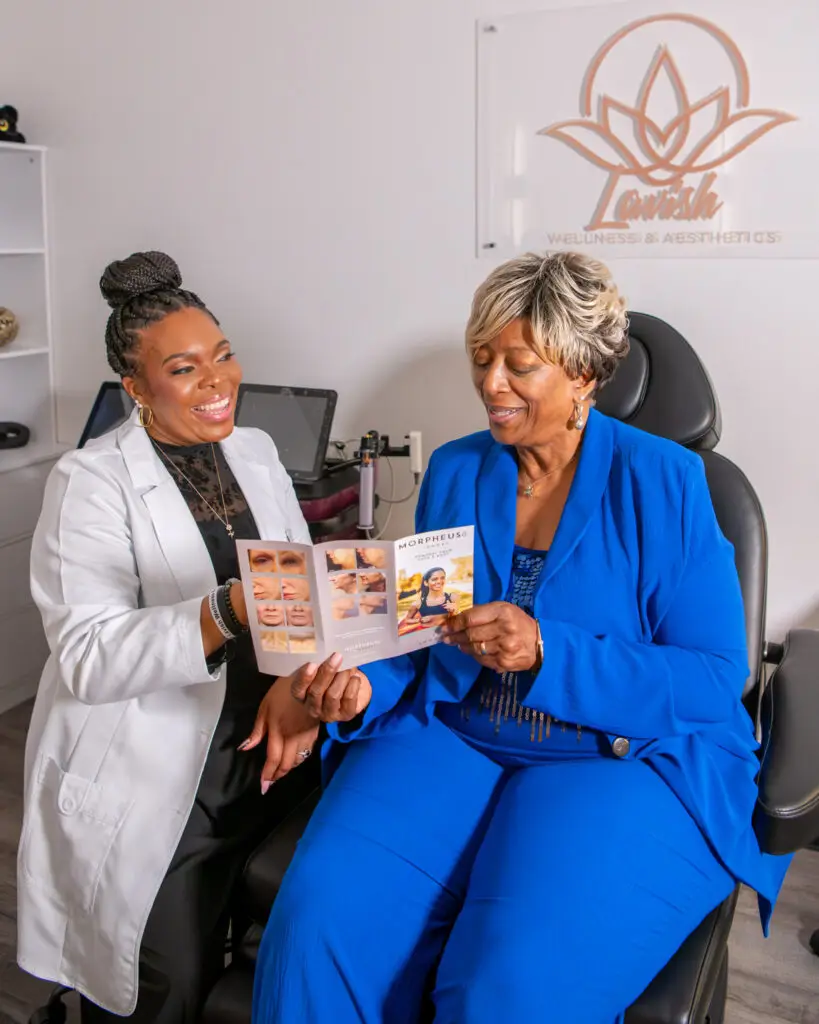
Women's wellness consultation at Lavish Wellness & Aesthetics in Wilmington, DE

Leaking a little urine when you laugh, sneeze, exercise, or rush to the bathroom can feel frustrating and surprisingly isolating. Urinary incontinence is far more common than many people realize, and it can affect confidence, activity level, and day-to-day comfort. The good news is that there are supportive, hormone-free ways to address the issue, including pelvic floor strengthening and other intimate wellness treatments designed to help the body function more comfortably.

Understanding Urinary Incontinence

Urinary incontinence is the involuntary loss of urine. For some people, it appears as a few drops during a cough or workout. For others, it may involve a sudden, urgent need to urinate that is difficult to control. In either case, the condition can interfere with work, social events, travel, and exercise. While it may be common after pregnancy, childbirth, menopause, or with age, it is not something you simply have to accept as permanent.

There are several types of incontinence. Stress incontinence happens when pressure is placed on the bladder, such as during sneezing or lifting. Urge incontinence involves a sudden and strong need to go. Some people experience a combination of both. Identifying the pattern matters because it helps guide the right care approach and makes treatment more effective.

The Role of Pelvic Floor Strengthening

The pelvic floor is a group of muscles that supports the bladder, uterus, and bowel. When these muscles become weak, stretched, or uncoordinated, bladder control can suffer. Pelvic floor strengthening helps retrain those muscles so they can better support the organs above them and respond more effectively to pressure and movement.

Many people think of pelvic floor exercises as only Kegels, but a complete strengthening plan may include breathing techniques, posture awareness, core support, and guided muscle activation. When done correctly, pelvic floor work can improve control, reduce leakage episodes, and increase body awareness. It can also help people feel more confident returning to exercise, intimacy, or everyday activities they may have been avoiding.

Why Professional Guidance Matters

Although pelvic floor exercises sound simple, many people unknowingly perform them incorrectly. Some tighten the wrong muscles, hold their breath, or overtrain areas that are already tense. A provider experienced in intimate wellness treatments can help determine whether the pelvic floor is weak, tight, or both. That distinction is important, because the best plan for improvement should be personalized instead of one-size-fits-all.

In many cases, a professional evaluation may reveal other contributing factors, such as hormone shifts, bladder habits, constipation, or previous childbirth-related changes. By looking at the bigger picture, treatment can target the root cause rather than only the symptoms.

Hormone-free Feminine Wellness Options

Not everyone wants or can use hormone-based care, which is why hormone-free feminine wellness solutions are gaining attention. These options focus on supporting tissue function, comfort, and strength without adding hormones to the body. Depending on your needs, care may include pelvic floor rehabilitation, bladder training strategies, lifestyle adjustments, and in-office therapies that promote healthier intimate wellness.

Hormone-free approaches can be especially appealing for people who prefer a more natural treatment path or who are looking for options compatible with certain medical histories. They can also be useful for individuals who want to improve comfort without changing their broader hormonal balance. The goal is not just symptom reduction, but better daily function and peace of mind.

Small Habits That Support Better Bladder Control

Daily habits matter more than many people expect. Staying hydrated is important, even if bladder leakage is frustrating, because limiting fluids too much can actually irritate the bladder. It can also help to reduce or track triggers such as caffeine, carbonated drinks, or very acidic foods if they seem to worsen symptoms. Timed bathroom breaks and bladder training may also help some people regain a sense of control over urgency.

Movement can be helpful as well. Gentle exercise, core stability work, and mindful breathing often support pelvic health when paired with a thoughtful treatment plan. For some, learning how to avoid straining during lifting, bowel movements, or workouts can make a meaningful difference in symptom management.

When to Seek Help

If bladder leakage is happening regularly, causing embarrassment, or limiting your routine, it is worth speaking with a professional. You do not need to wait until symptoms become severe. Early support can make it easier to improve pelvic floor function and prevent frustration from building over time. Seeking help can also rule out other causes of urinary changes, such as infection or bladder irritation, and ensure you are using the safest approach for your body.

For many people, the first step toward improvement is simply knowing that solutions exist. Whether your symptoms are mild or more disruptive, guidance from a team that understands feminine wellness can make the process feel far less overwhelming. A personalized plan may include education, exercise, treatment sessions, and practical advice that fits your lifestyle.

Living with urinary incontinence does not have to mean giving up the activities you enjoy or feeling limited by unpredictable symptoms. With pelvic floor strengthening, hormone-free feminine wellness options, and thoughtful intimate wellness treatments, it is possible to support better bladder control and restore comfort in everyday life. If you are in Wilmington, Delaware and ready to explore customized care, book an appointment with our providers today and take the next step toward a plan designed specifically for you.

A Gentle Approach to Urinary Incontinence and Pelvic Floor Wellness

Pelvic floor and feminine wellness consultation at Lavish Wellness & Aesthetics in Wilmington, DE

Urinary incontinence is more common than many people realize, yet it is still one of the most overlooked concerns in women’s health. Leaks that happen while laughing, coughing, exercising, or even getting through a busy workday can feel frustrating and isolating. The good news is that there are modern, supportive ways to address these symptoms without jumping straight to invasive procedures. For many women, pelvic floor strengthening and hormone-free feminine wellness treatments offer a practical path toward greater comfort and confidence.

Why Urinary Incontinence Happens

Urinary incontinence can develop for a variety of reasons, including pregnancy, childbirth, menopause, aging, pelvic surgery, or changes in muscle tone over time. The pelvic floor is a group of muscles that helps support the bladder, uterus, and bowel. When these muscles become weak or less responsive, everyday pressure can lead to unexpected leakage.

It is important to remember that incontinence is not simply a normal part of aging that you simply have to accept without support.

How Pelvic Floor Strengthening Can Help

Pelvic floor strengthening focuses on improving the support and responsiveness of the muscles that help control the bladder. For many women, a non-surgical, hormone-free approach feels more approachable than jumping straight to invasive procedures, especially when symptoms are mild to moderate and affecting daily confidence. A personalized plan can also address related concerns such as comfort and intimate wellness, rather than treating leakage as an isolated issue.

Because every body and history is different, treatment is tailored after a consultation. Your provider can talk through your symptoms, health history, and goals, and explain what options may be appropriate for you. Progress is typically gradual, and consistency matters more than expecting an overnight change.

When to Talk With a Provider

Consider scheduling a consultation if leaks happen regularly with coughing, laughing, exercise, or daily activity, if you plan your day around bathroom access, or if symptoms are affecting your confidence, intimacy, or quality of life. You do not need to wait until symptoms feel severe to ask questions.

If you are ready for a gentle, supportive next step, book an appointment with our providers in Wilmington, Delaware, to discuss pelvic floor wellness and hormone-free feminine wellness options designed around your comfort and goals.

Pelvic Floor Strengthening for Better Bladder Control

Pelvic Floor Strengthening for Better Bladder Control

Urinary incontinence can feel frustrating, isolating, and unpredictable, but it is also incredibly common. Many women experience occasional leaks when coughing, laughing, exercising, or feeling a sudden urge to urinate. While it may be easy to dismiss these symptoms as a normal part of aging or motherhood, bladder leakage is often a sign that the muscles and tissues supporting the bladder need more attention. The good news is that there are effective, non-invasive ways to improve comfort, confidence, and control.

Why Bladder Control Changes Over Time

The pelvic floor is a group of muscles, ligaments, and connective tissues that help support the bladder, uterus, and bowel. When these muscles become weakened, stretched, or poorly coordinated, they may not provide enough support during daily activities. Childbirth, hormonal changes, chronic constipation, high-impact exercise, and aging can all contribute to urinary incontinence. For many women, symptoms become more noticeable during menopause, when declining estrogen can also affect tissue health and bladder sensitivity.

Understanding what is happening beneath the surface can be empowering. Urinary leakage is not simply a cosmetic inconvenience or something you must quietly accept. It is a functional concern that can often be improved with targeted care. In many cases, combining pelvic floor strengthening with other hormone-free feminine wellness strategies can make a meaningful difference in day-to-day life.

How Pelvic Floor Strengthening Supports Feminine Wellness

Pelvic floor strengthening focuses on improving the muscles that help control urination and support the organs in the pelvis. When these muscles are trained correctly, they can better respond to pressure, stabilize the core, and reduce the likelihood of leaks. This is especially important for women who notice symptoms during movement, exercise, or sudden increases in abdominal pressure.

What stronger pelvic floor muscles can help with

A well-supported pelvic floor may improve stress incontinence, reduce urgency episodes, and increase confidence in physical activity. Many women also report better body awareness and improved posture. While results vary, consistency and proper technique are key. Gentle, personalized treatment plans often work better than one-size-fits-all advice, especially when symptoms are linked to multiple factors.

Why technique matters

Not all pelvic floor exercises are performed correctly on the first try. Some women accidentally tighten their abdomen, glutes, or thighs instead of isolating the pelvic floor. Others may overtrain muscles that are already tense rather than weak. That is why guidance from a knowledgeable provider can be so helpful. A personalized plan can help determine whether your muscles need strengthening, relaxation, coordination, or a combination of all three.

A Hormone-free Approach to Comfort and Confidence

Not every woman wants or can use hormone-based treatments, and that is where hormone-free feminine wellness options can play an important role. Supportive therapies may include pelvic floor retraining, lifestyle coaching, bladder habit education, and non-invasive technologies designed to improve tissue health and function without surgery or hormones. These approaches can be especially appealing for women seeking gradual, natural-feeling improvements.

Hormone-free care is not about doing less; it is about choosing the right tools for your body and your goals. Some women want help with leakage during workouts. Others want to stop planning their day around restroom access. Still others are looking for a broader sense of comfort and vitality in their intimate wellness routine. A thoughtful treatment plan can address these concerns in a way that feels practical and sustainable.

Everyday Habits That Can Reduce Leakage

Small lifestyle changes can support pelvic floor health and reinforce treatment results. Hydration matters, but so does avoiding excessive bladder irritants like caffeine and alcohol if they worsen symptoms. Constipation can increase pressure on the pelvic floor, so fiber-rich foods and regular bowel habits are also important. Maintaining a healthy weight, practicing proper breathing during exercise, and avoiding repeated straining can all help reduce stress on the bladder.

Timing also matters. Many women benefit from bladder training techniques that help them gradually extend the time between bathroom visits. This can calm urgency symptoms and improve confidence. In some cases, tracking leaks, fluid intake, and symptom triggers can reveal patterns that make treatment more effective. These simple observations often give both patients and providers a clearer roadmap for progress.

When to Seek Professional Support

If urinary incontinence is affecting your sleep, exercise routine, workday, or self-esteem, it may be time to speak with a specialist. You do not need to wait until symptoms become severe. Early support can prevent frustration and help you regain control sooner. A consultation may include a discussion of your medical history, symptom patterns, pelvic floor function, and treatment preferences.

In a supportive clinical setting, care can be customized to your needs. Some women improve with guided pelvic floor strengthening alone. Others benefit from a combination of therapies that address bladder habits, tissue changes, and muscle coordination. The goal is not simply to reduce leakage, but to help you feel more comfortable and confident in your own body.

Reclaiming Confidence One Step at a Time

Urinary incontinence does not have to define your routine or limit the activities you enjoy. With the right care, it is possible to strengthen support where your body needs it most and create a plan that fits your lifestyle. Whether your symptoms are mild or more disruptive, a gentle and personalized approach can help you move forward with greater ease, comfort, and peace of mind. Book an appointment for customized treatments with our providers and take the next step toward lasting feminine wellness.