You follow every skincare trend, layer serums, apply masks, and try the latest actives, hoping for smooth, glowing skin. Yet sometimes, your skin doesn’t cooperate.
It feels dry in some areas, tight in others, uneven in tone, or develops breakouts where it never did before. It’s confusing and frustrating. Most people blame stress, diet, or weather, but often, the problem is right in your routine: your skin barrier is quietly struggling under the pressure of too many products.
What the Skin Barrier Actually Does
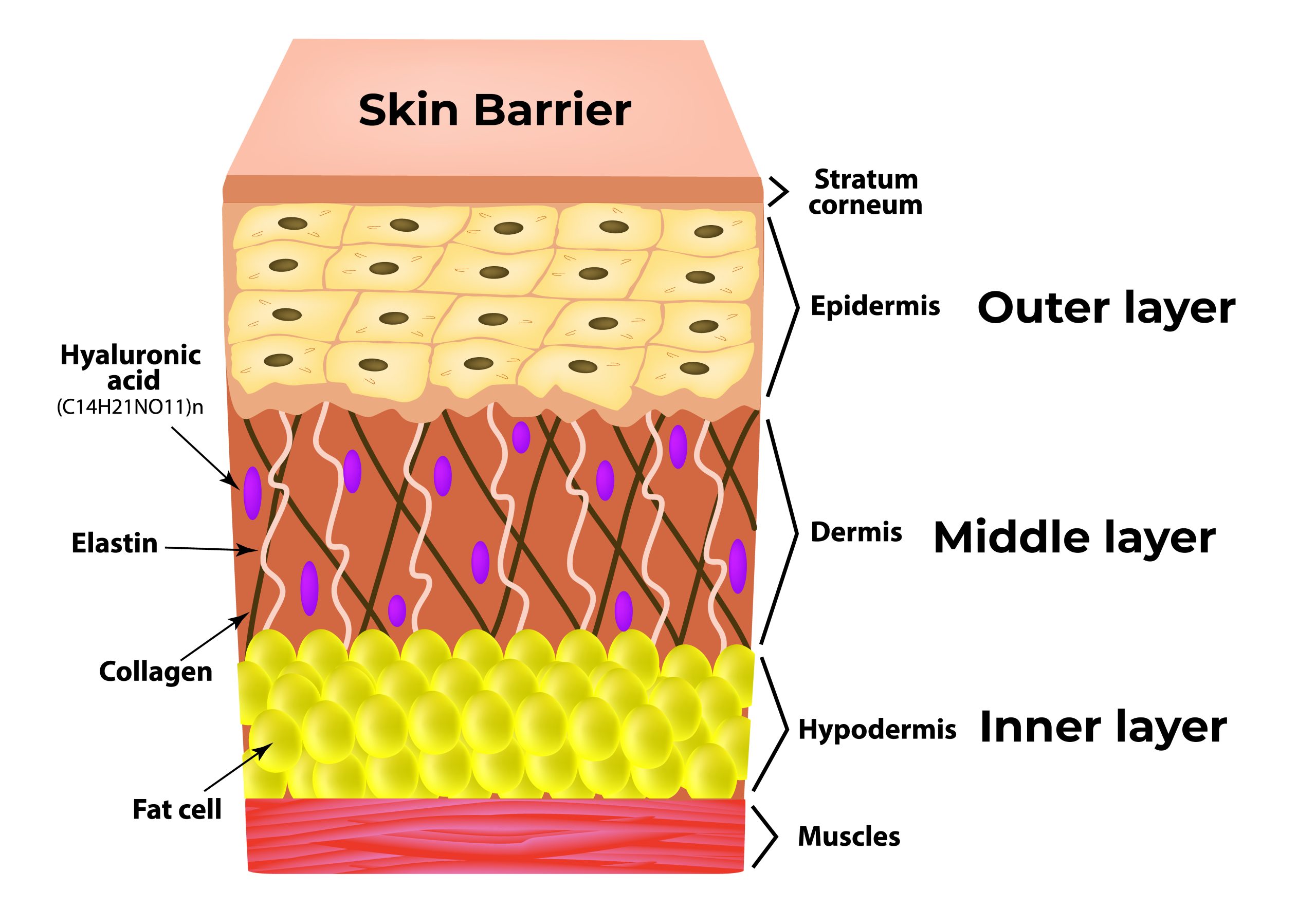
The skin barrier is your skin’s natural shield. It’s a protective layer made up of fats, lipids, and natural moisturizers that keep hydration in and irritants out. When healthy, it allows the skin to look smooth, balanced, and resilient. When compromised, the skin becomes reactive and unpredictable. Signs can appear differently depending on skin tone.
For some, it may look like patches of dryness or uneven texture. For others, irritation can appear as stinging, burning, or spots that darken over time. Regardless of the form, a weakened barrier reduces the skin’s ability to handle stressors, whether that’s a strong product, environmental pollution, or a change in weather.
A healthy barrier is not a cosmetic goal—it is the foundation. No serum or mask can fully compensate for a damaged barrier. Yet, the idea that more actives equal better skin is pervasive, largely fueled by trends and social media.
How We Often Damage It
Overloading on products is one of the most common ways people harm their barrier. Using multiple actives at once—retinoids, acids, vitamin C, and chemical exfoliants—can strip the skin of its natural oils. Daily over-cleansing or harsh physical scrubs amplify the problem. Even using products that are “for all skin types” can be damaging if applied too frequently or layered improperly.
The consequences are subtle at first. Skin may feel tight or dry, but we often misinterpret these signals as minor or temporary. Over time, the damage accumulates. The skin becomes more reactive, prone to breakouts, rough patches, uneven tone, and sensitivity. It may flare up at products that were previously well tolerated, creating the impression that nothing works. Social media may push the idea that piling on more products or switching routines constantly is the solution, but in reality, this only worsens the barrier’s condition.
Signs Your Skin Barrier Is Compromised
Damage doesn’t look the same for everyone. On some skin tones, irritation can show as subtle dryness, fine rough patches, or uneven texture. On others, inflammation might result in darker areas, hyperpigmentation, or breakouts in new locations. Common experiences include stinging or burning when applying even gentle products, a feeling of tightness, or a persistent sense that the skin is “off.”
One key point to understand is that what people often call “sensitive skin” is often a sign of a weakened barrier. This is not a permanent condition but a warning. The skin is signaling that it cannot cope with the stress being applied, and ignoring these signs can prolong the problem or create chronic irritation. Recognizing these cues is the first step in allowing the skin to recover.
How to Restore Balance
Repairing a damaged skin barrier is not about adding more products; it’s about giving the skin the chance to rebuild itself.
Simplifying routines is essential. Strong actives should be paused or reduced temporarily. Gentle cleansing, proper hydration, and using moisturizers rich in ceramides or lipids can help restore the protective layer. Daily sun protection remains critical, as UV exposure can worsen barrier compromise.
Professional interventions, such as calming facials or barrier-repair therapies, can support recovery by reducing inflammation, improving hydration, and strengthening the skin’s defenses. Recovery takes time, but consistency in following a simplified, gentle routine allows the skin to regain resilience.
It’s also important to understand that repair is not just about appearance. A strong barrier protects against environmental stressors, reduces sensitivity, and enhances the effectiveness of any products reintroduced later. Balance, patience, and attentive care are the keys to restoring skin health, rather than chasing rapid fixes or constantly switching routines.
Healthy skin is built on balance, not overload. Recognizing the signs of a compromised barrier and allowing the skin the chance to recover can prevent long-term damage and improve overall skin quality.
Every skin tone experiences barrier stress differently, but the approach to repair is universal: simplify routines, hydrate, protect, and support recovery. Observing how your skin responds and adjusting accordingly is more effective than piling on new products or following trends blindly.
Understanding and respecting your skin barrier allows routines to work with the skin, not against it.
Rather than chasing the latest trends or layering products aggressively, focusing on consistent, gentle care creates the foundation for resilient, healthy skin over time.