When people start noticing fine lines, volume loss, or a face that looks more tired than they feel, they often want a treatment that restores freshness without changing their appearance. That is exactly why Botox and dermal fillers remain two of the most popular options in modern aesthetic care. Used thoughtfully, these treatments can soften wrinkles, enhance facial balance, and create a rested, natural-looking result that still looks like you.
How Botox and Dermal Fillers Work Together
Although they are often mentioned in the same conversation, Botox and dermal fillers do very different jobs. Botox is a wrinkle relaxer that targets the muscle movement responsible for expression lines such as forehead creases, crow’s feet, and frown lines. By gently reducing repeated motion, it helps skin appear smoother and can prevent deeper lines from forming over time.
Dermal fillers, on the other hand, are designed to restore volume and contour. As the face changes with age, areas like the cheeks, lips, under-eyes, and smile lines may begin to look less full. Filler can add subtle lift and structure, making the face look refreshed rather than overdone. When both treatments are used strategically, they complement one another beautifully.
Botox for Expression Lines
Many people first consider Botox because they notice lines that remain visible even when the face is at rest. These are often caused by years of repeated expressions. A well-placed wrinkle relaxer can soften these lines while preserving natural movement. The goal is not to freeze the face, but to reduce the appearance of tension so the skin looks smoother and more relaxed.
Botox is especially popular for the upper face, where dynamic wrinkles tend to develop quickly. The treatment is efficient, typically requires little downtime, and can be customized to match each person’s facial anatomy and goals. For many patients, it offers a simple way to look more refreshed without making a dramatic change.
Dermal Filler for Volume and Contour
Dermal filler is ideal for patients who want to address fullness loss or enhance facial shape. It can soften deep folds around the mouth, improve cheek support, refine the jawline, or add natural-looking volume to the lips. In skilled hands, filler can create balance and proportion while still keeping the face soft and expressive.
One of the biggest advantages of filler is its versatility. Some people want a barely noticeable enhancement that simply restores what time has taken away, while others want a more defined contour. A thoughtful treatment plan takes both preferences into account, allowing the result to look elegant and tailored rather than obvious.
Why Natural Results Matter
The most successful aesthetic treatments are the ones that make people look well-rested, not different. That is why technique matters so much with injectables. The placement, amount used, and choice of product all influence how natural the final result will appear. Overfilling or relaxing too much can lead to an artificial look, while conservative treatment can enhance the face in a subtle, flattering way.
A good provider will study the entire face before recommending treatment. They will consider skin quality, facial symmetry, muscle strength, and areas of volume loss. This full-face approach helps ensure that Botox and filler work in harmony rather than competing with one another.
Popular Treatment Areas
Botox and dermal filler can be used in a variety of areas depending on the concerns being addressed. Botox is commonly used on the forehead, between the brows, and around the eyes. Some patients also explore smaller enhancements such as a botox lip flip, which can subtly relax the upper lip for a softer shape without adding volume.
Fillers are frequently used in the cheeks for lift, in the lips for added shape, around the mouth for softening lines, and in the lower face for improved contour. In some cases, filler can even help improve the appearance of tired under-eyes or create better facial balance when one area seems less proportionate than another.
What to Expect During Treatment
A typical injectable appointment begins with a consultation. This is the time to discuss your concerns, your desired level of change, and any past experience with Botox or filler. From there, your provider can recommend a plan that matches your features and comfort level.
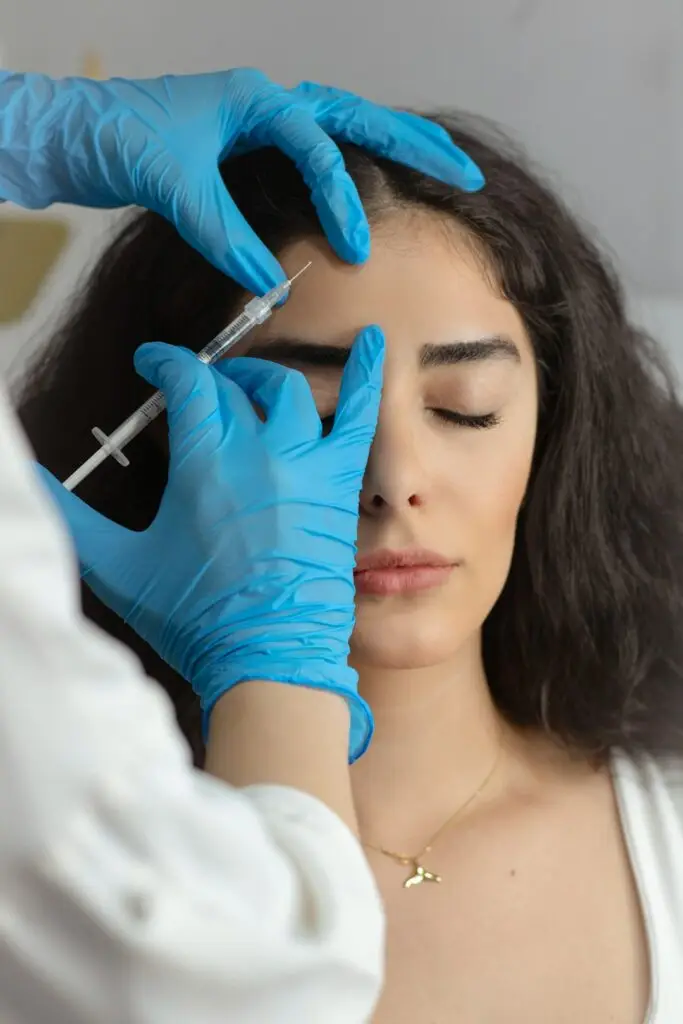
The treatment itself is usually quick and straightforward. Most appointments take place in a calm clinical setting and involve only a few small injections. Some patients feel mild pressure or a brief pinch, but the process is generally very manageable. Depending on the treatment area, you may notice immediate improvement with filler, while Botox results usually appear gradually over the following days.
Aftercare and Long-Term Maintenance
After treatment, providers often give simple care instructions such as avoiding vigorous exercise for the rest of the day, not pressing on the treated areas, and following any personalized guidance based on the products used. Mild swelling, redness, or tenderness can happen, but these effects are usually temporary.
Because Botox and fillers are not permanent, many people return for maintenance visits to keep their results looking consistent. Some prefer to adjust their plan over time as their needs change, while others find a routine that helps them maintain a fresh and confident appearance year-round. The best approach is one that supports your features naturally and evolves with your goals.
If you have been considering Botox, dermal filler, or a combination of both, the key is finding a provider who understands balance, restraint, and personalized care. With the right treatment plan, it is possible to smooth lines, restore volume, and enhance your features in a way that still feels authentically you, so when you are ready to explore customized options, book an appointment with our providers for a treatment plan tailored to your goals.